Need plumbing help? Speak directly to our team 24/7.
150 Litre Solar Geyser Evacuated Tube Conversion System
150 LITRE SOLAR GEYSER CONVERSION SYSTEMS

150 Litre Evacuated Tube Solar Geyser Conversion

Upgrade a suitable 150 litre electric geyser with an evacuated tube solar conversion system that can reduce reliance on electrical heating while supporting dependable everyday hot-water use.

Free call-out feesFree quotes24/7/365 serviceSame-day service

Get help with 150 litre evacuated tube solar geyser conversion

Send your details for a quick callback and practical next steps.

By submitting, you ask our plumbing team to contact you about this request. Do not include banking details or passwords.

Fast ResponseHelp when it matters most.
24
Available 24/7Day or night, we’re ready.
Trusted ApproachClear, honest and professional.
Capacity and household fit

Why Choose a 150 Litre Evacuated Tube Solar Geyser Conversion?

A 150 litre evacuated tube solar geyser conversion gives homeowners a practical way to reduce the electricity used for water heating without automatically discarding a serviceable geyser. The existing cylinder can often remain part of the system while a correctly sized evacuated tube collector uses available sunlight to provide much of the heat needed during the day. For small families, townhouses and medium-use households, this can be a sensible upgrade when the system is selected according to actual hot-water demand rather than capacity alone.

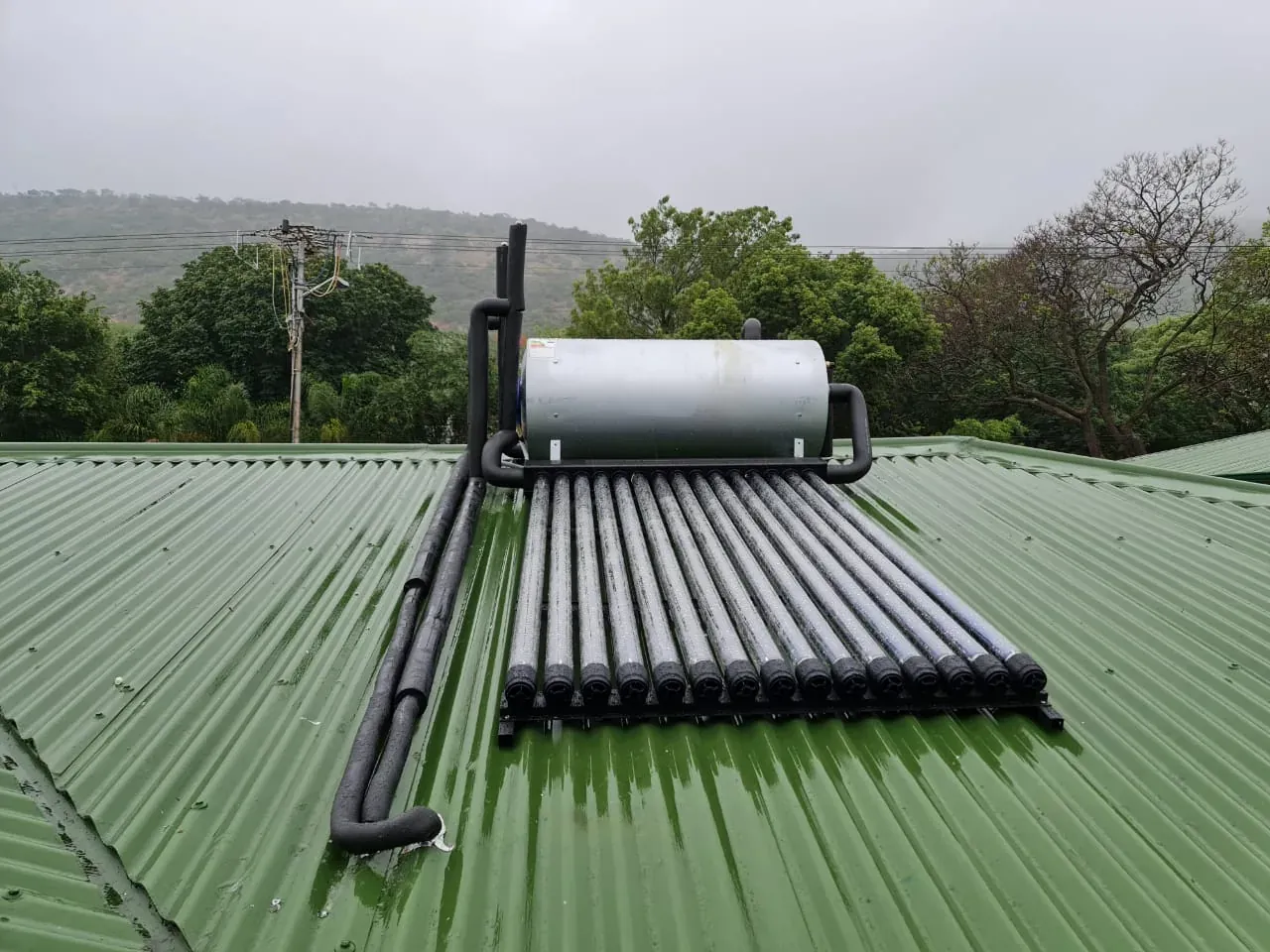
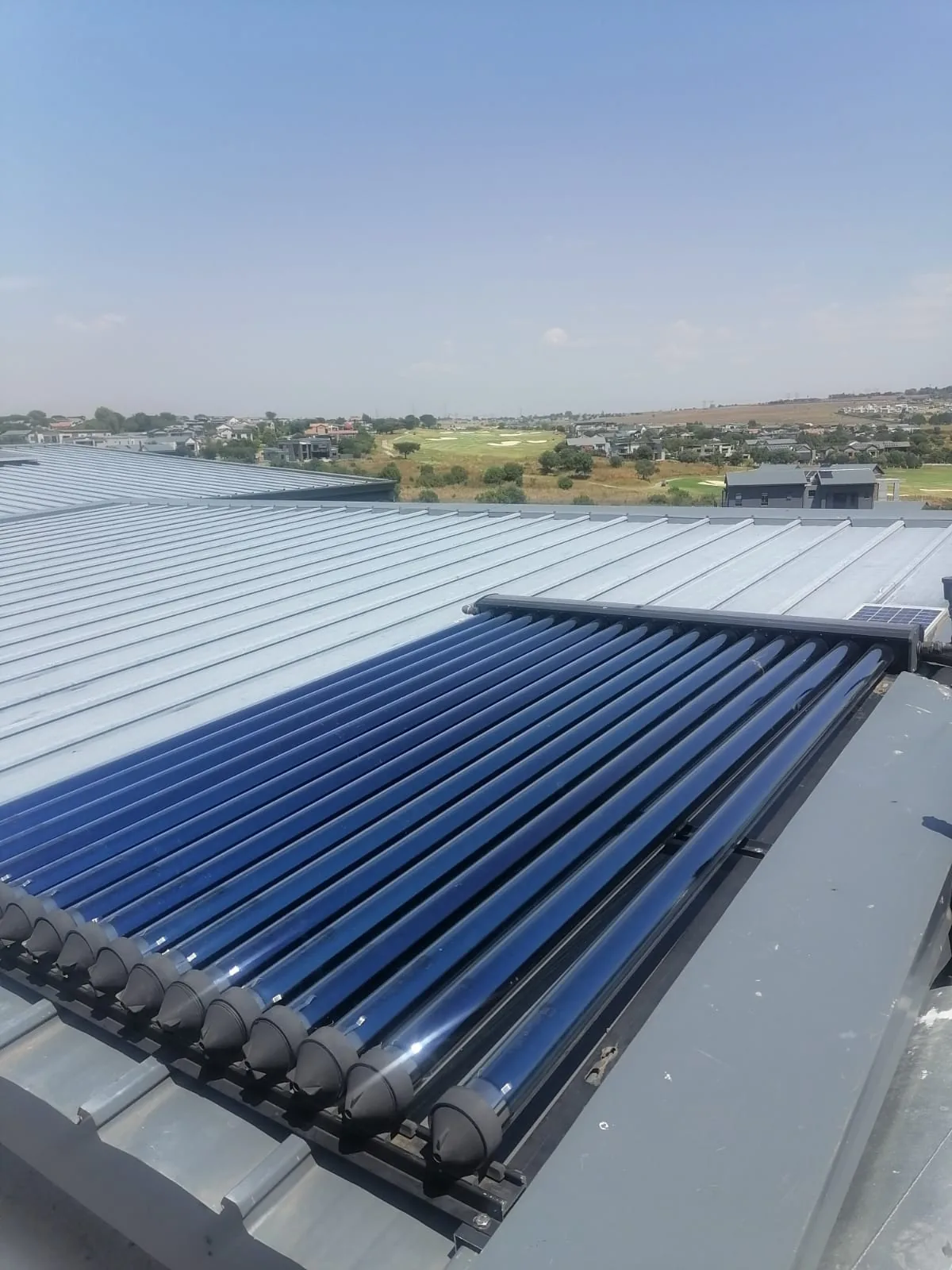
150 litre evacuated tube solar geyser conversion installed on a residential roof
A complete evacuated tube solar geyser installation showing the cylinder, collector tubes and secure rooftop frame.

What this means for your home

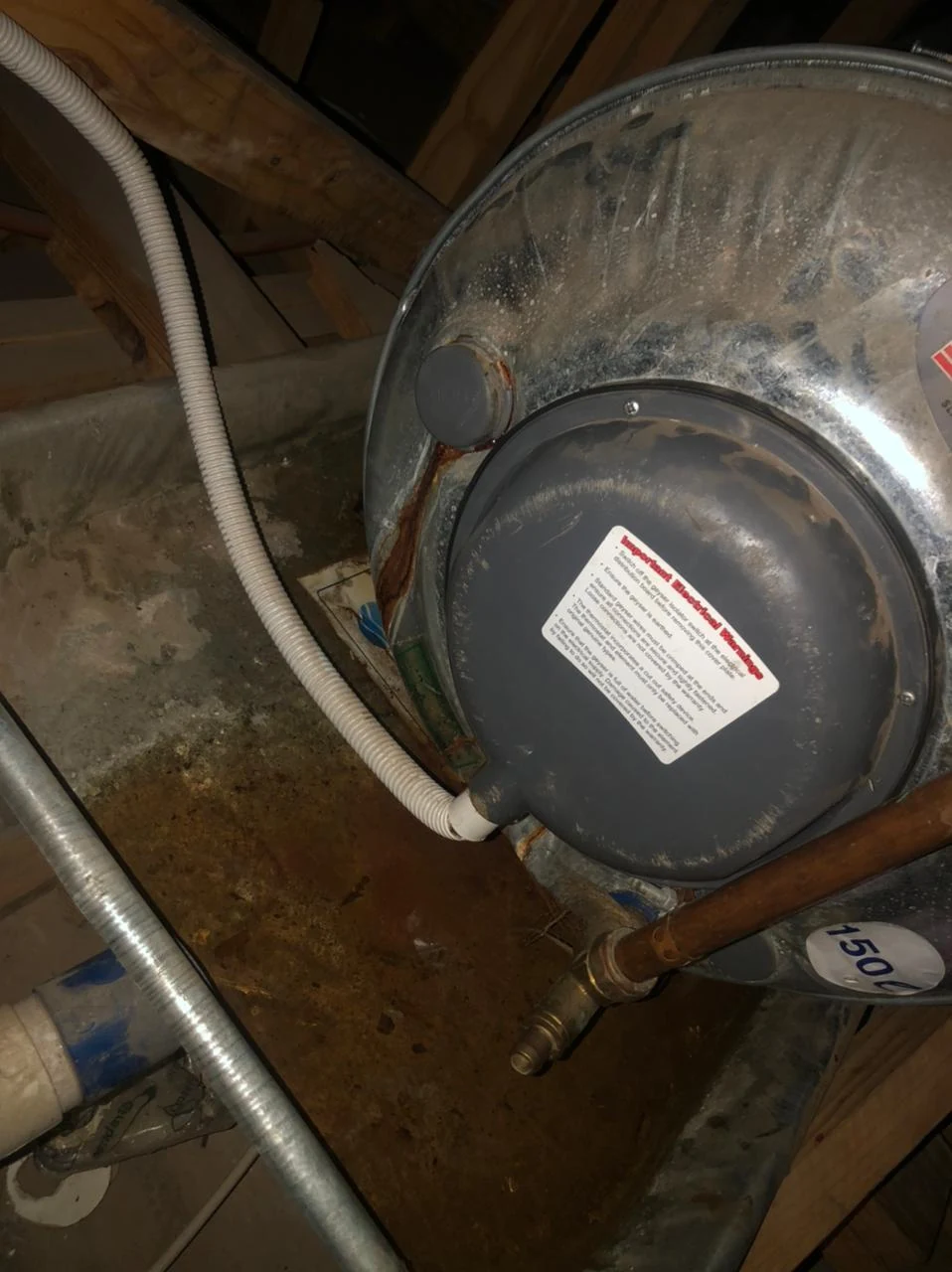
Our plumbers begin with an honest assessment because trust starts with recommending what the property genuinely needs. We inspect the existing geyser, roof position, pipe routes, water pressure and condition of the safety components before proposing a conversion. If repairs or upgrades are required first, we explain them clearly. If the existing installation is unsuitable for conversion, we say so rather than forcing an option that may not perform reliably.
Why the assessment matters

A professionally planned conversion can lower electrical demand, improve the way stored hot water is produced and give the household greater control over running costs. The quality of the result depends on far more than the collector itself. Secure mounting, correct circulation, properly insulated pipework, sound valves and careful commissioning all influence how efficiently the installation works. Our team treats those details as essential, not optional, so customers receive a system designed for dependable everyday use.

How conversion works

Is a 150 Litre Solar Geyser the Right Size for Your Household?

A 150 litre system is often considered for two or three people with balanced daily hot-water use, but the correct choice depends on how and when hot water is used. Two households with the same number of occupants can have very different requirements. Long showers, simultaneous bathroom use, frequent laundry and visitors can increase demand, while careful water use may make the same capacity comfortable for a larger household. Related professional help is available through 300 Litre Evacuated Tube Solar Geyser Conversion.

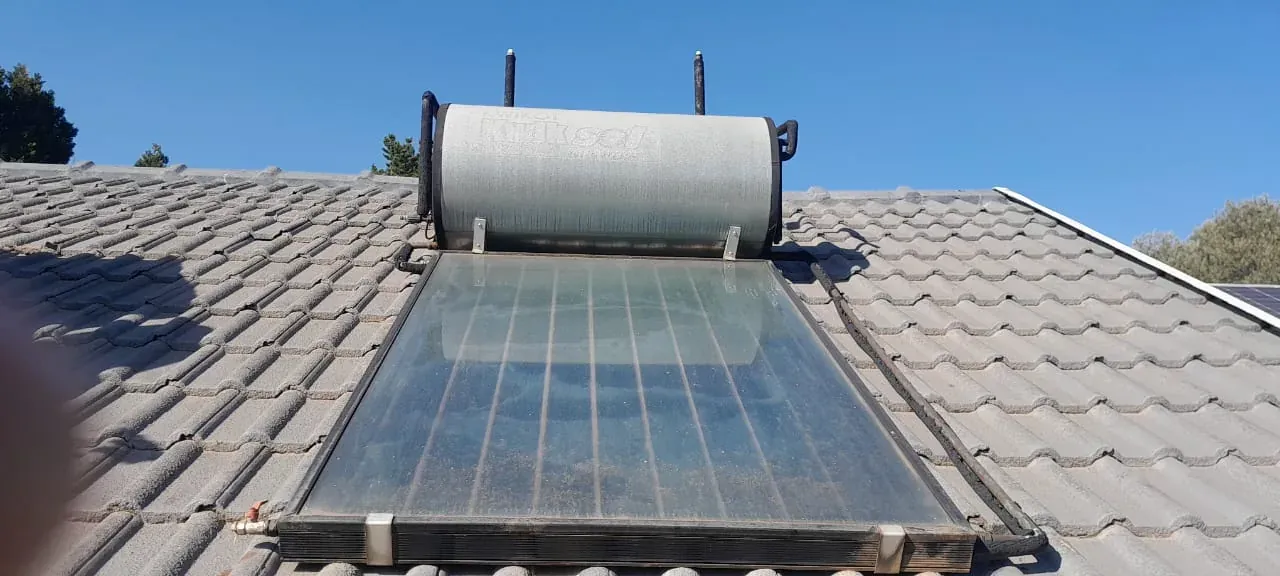
150 litre solar geyser system installed on a pitched residential roof
Household size, hot-water habits and roof conditions all influence whether a 150 litre system is the correct fit.

What this means for your home

We do not base a recommendation on household size alone. Our plumbers discuss daily routines, existing geyser recovery, available roof space and whether electrical backup will remain in use. This prevents undersizing, which can leave a family short of hot water, and oversizing, which can increase the initial cost without providing meaningful benefit. Related professional help is available through 200 Litre Solar Geyser.

Why the assessment matters

The aim is to match the conversion to your lifestyle so that savings do not come at the expense of comfort. A clear assessment also helps us explain what performance you can realistically expect in summer, winter and periods of unusually high demand. Related professional help is available through 100 Litre Evacuated Tube Solar Geyser Conversion.

Hot-Water Demand Matters More Than a Simple Headcount

Bathing habits, shower flow rates and the timing of hot-water use are often more important than the number of people in the home. We ask practical questions so the final recommendation reflects real demand rather than a generic capacity chart. Related professional help is available through Convert Your Existing Geyser to Solar.

Planning for Seasonal Changes and Backup Heating

Solar contribution varies with weather, roof orientation and daily consumption. We explain how the electrical element or controller may support the system when solar input is lower, helping you understand both expected savings and normal backup operation. Related professional help is available through Solar geyser systems and plumbing products.

Practical system knowledge

How Evacuated Tube Solar Heating Works

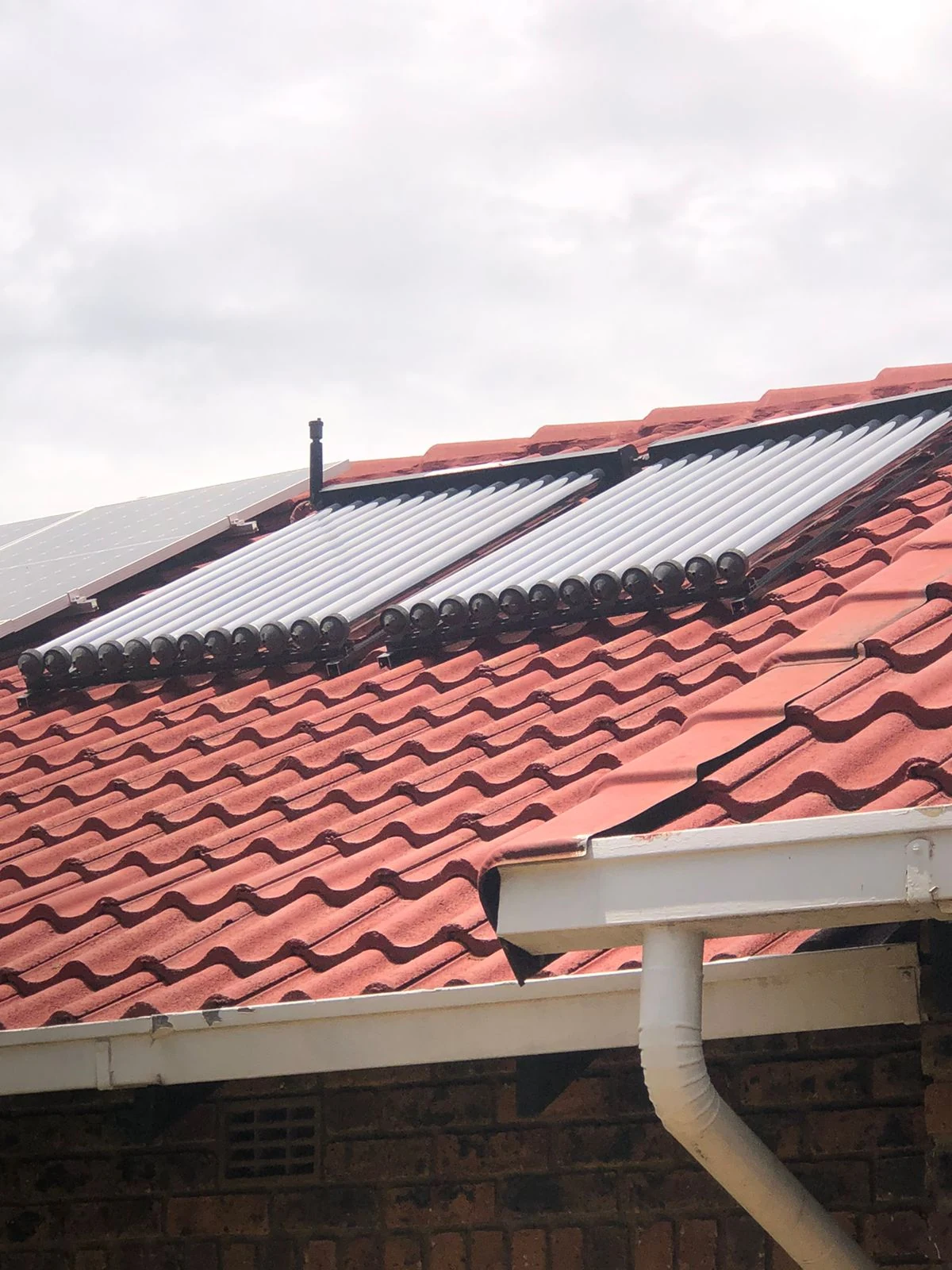
Evacuated tubes are designed to collect solar heat while limiting heat loss to the surrounding air. Each tube contains an insulated vacuum layer that helps retain absorbed energy, allowing the collector to produce useful heat even when ambient temperatures are cooler. The captured energy is transferred through the solar circuit and used to heat the water stored in the geyser. Related professional help is available through Solar Geyser Repairs Near You.

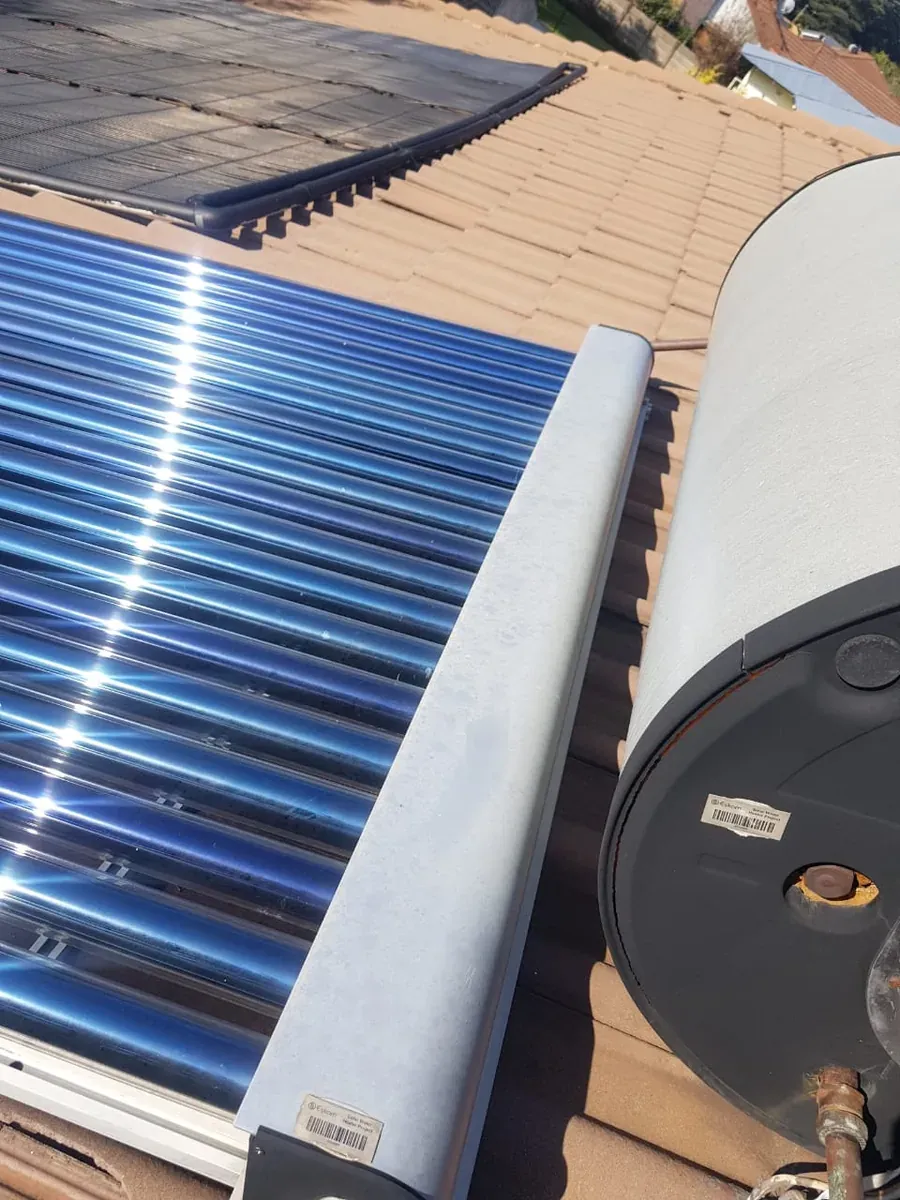
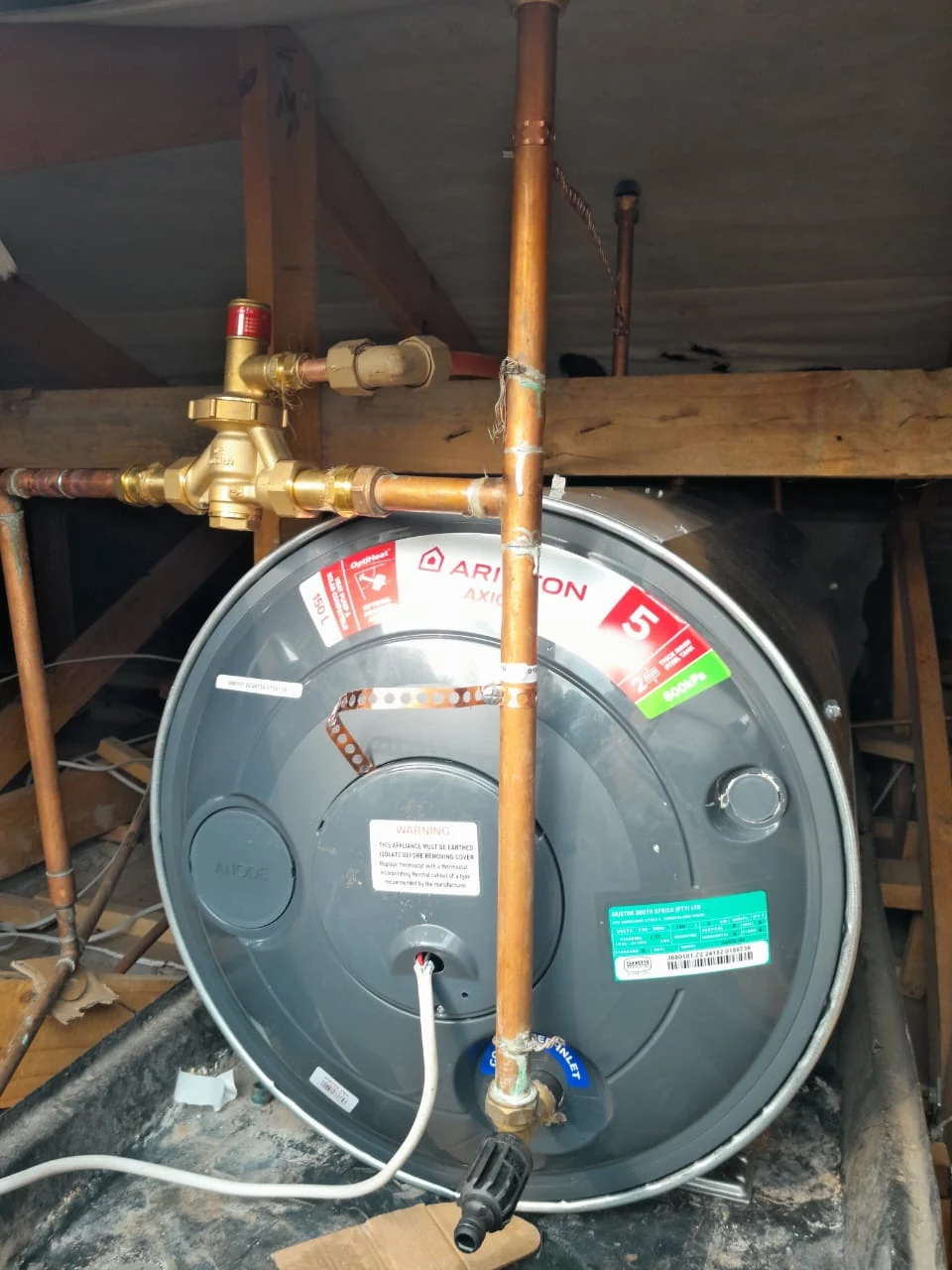
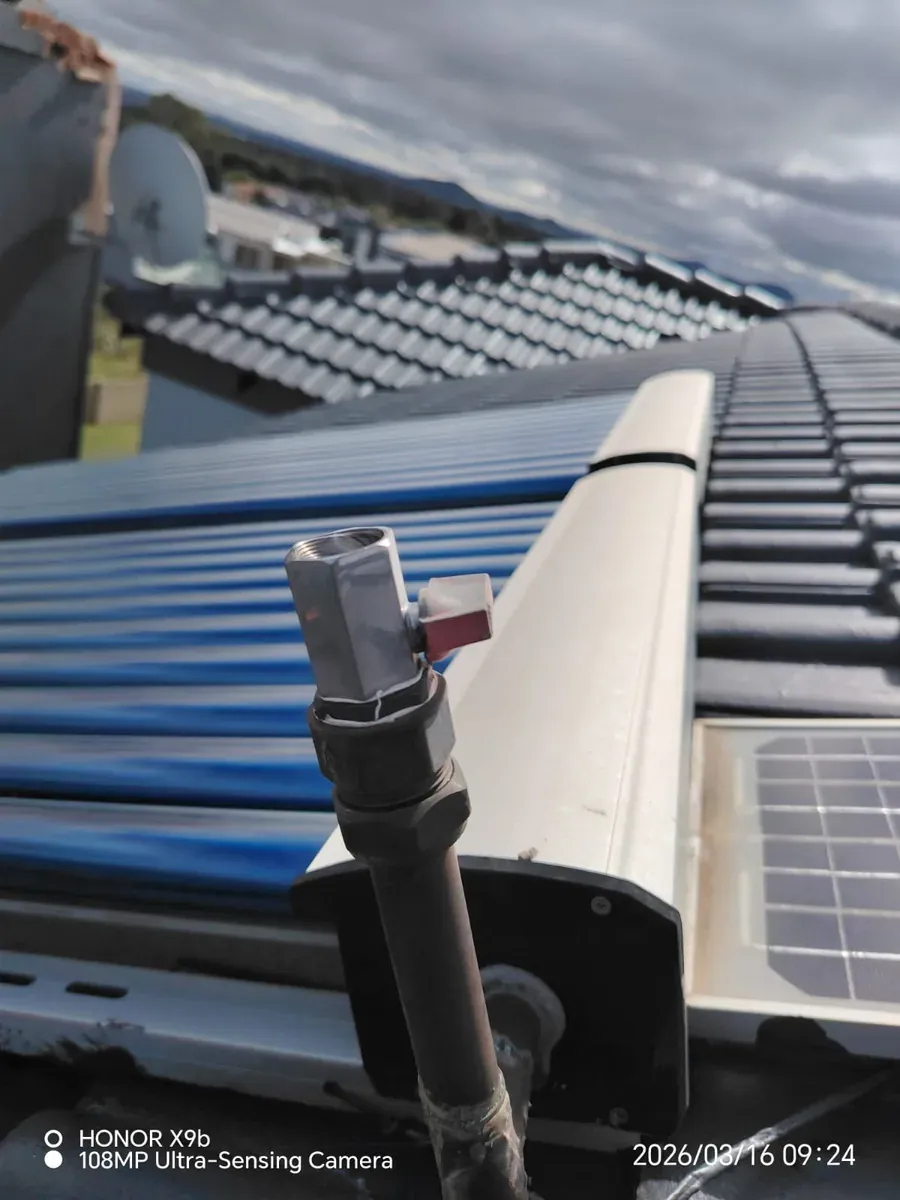
solar geyser valve controller and evacuated tube collector detail for a 150 litre system
Collector tubes, controls, valves and insulated connections work together to capture solar energy and manage safe hot-water circulation.

What this means for your home

The effectiveness of the system depends on correct orientation, collector angle, circulation and insulation. Poorly routed or uninsulated pipework can waste heat before it reaches the cylinder. Incorrect mounting can reduce sun exposure or create unnecessary strain on the roof. Our plumbers plan the installation as a complete system so that the collector, existing geyser and plumbing components work together safely. Related professional help is available through Solar Geyser Repairs Near Me.

Why the assessment matters

Customers do not need to understand every technical component before making a decision. We explain the system in straightforward language, show which parts are being installed and answer questions before work begins. That transparency helps homeowners feel confident about the equipment on their roof and the value of the conversion.

Why the Vacuum Inside Each Tube Is Important

The vacuum reduces heat transfer from the hot absorber to the outside air. This insulation is one of the reasons evacuated tube collectors can remain effective in cooler conditions and can provide strong solar input during much of the year.

Why Professional Pipe Insulation Cannot Be Ignored

Solar-heated water or heat-transfer fluid must travel between the collector and cylinder. Correct insulation protects that heat, improves efficiency and reduces weather damage to exposed pipework. We inspect the full route rather than focusing only on the collector.

Choices that affect performance

Our Professional Solar Geyser Conversion Process

A reliable conversion begins long before the first evacuated tube is fitted. We inspect the existing geyser and its safety components, assess the roof structure, review access and identify the best available position for the collector. We also consider how the new pipework can be installed neatly and protected from heat loss and weather exposure.

150 litre solar geyser collector and storage cylinder installed as a complete conversion
A professional conversion integrates the collector, cylinder, pipework and mounting system as one coordinated installation.

What this means for your home

Before work starts, we explain the recommended scope and provide a clear quotation. Customers should understand what is included, which existing components can remain and which items need replacement. This approval-first approach avoids surprises and allows the homeowner to make an informed decision.

Why the assessment matters

During installation, the collector is mounted securely, pipework is connected and insulated, and the system is filled and checked according to its design. We test for leaks, confirm circulation and verify that backup heating and controls operate as intended. The work area is left orderly, and we explain the completed system before leaving.

Inspection and Honest Recommendation

We check whether the existing geyser is in suitable condition, whether roof access is safe and whether the proposed system is likely to meet the household’s needs. Where a different approach would be more dependable, we explain why.

Neat Installation and Careful Commissioning

Secure brackets, protected pipe routes and correct connections support long-term reliability. Commissioning is not a quick visual check; it is the stage where we verify that the complete system operates correctly before handover.

Clear Handover and Practical Guidance

We show customers how normal operation should look, discuss backup settings and identify basic warning signs that may justify a service visit. Good communication is part of professional workmanship.

Protecting the installation

Benefits of a Correctly Installed Solar Geyser Conversion

The most immediate attraction is the opportunity to reduce the electricity used for water heating, which is often one of the larger energy demands in a home. Actual savings vary according to weather, consumption, system settings and installation quality, so we avoid unrealistic promises. Instead, we focus on creating the conditions for efficient, reliable performance.

completed 150 litre solar geyser conversion with evacuated tubes and insulated cylinder
Correct alignment, sound mounting and neat connections improve system reliability and long-term performance.

What this means for your home

A conversion can also extend the usefulness of an existing geyser when the cylinder and related components remain in good condition. This may reduce unnecessary replacement costs while allowing the homeowner to benefit from solar energy. The system still needs proper safety controls and maintenance, and our assessment identifies whether the existing equipment is suitable to retain.

Why the assessment matters

Long-term value comes from dependable operation, not from the lowest installation price. Quality components, careful workmanship and accessible after-sales support help protect the investment. Our customers know who completed the work and who to contact when they need advice, maintenance or repairs.

Lower Dependence on Electrical Water Heating

Solar energy can provide a meaningful share of the heat required during suitable conditions. Sensible timer or controller settings can further reduce unnecessary electrical heating while maintaining household comfort.

A Practical Upgrade Without Unnecessary Replacement

Where the existing cylinder is sound, conversion may offer a more economical route to solar-assisted hot water. We confirm suitability instead of assuming every old installation should be retained.

Workmanship That Supports Long-Term Reliability

Efficiency and lifespan depend on mounting, valves, pipe insulation and commissioning. We take responsibility for the complete installation rather than treating the collector as an isolated product.

Long-term value

Solar Geyser Faults, Maintenance and Repairs

Evacuated tube systems are dependable when installed correctly, but no hot-water system is maintenance-free. Broken tubes, damaged insulation, leaking fittings, failed valves, circulation problems and control faults can reduce performance. Early attention often prevents a small defect from becoming a larger repair or causing water damage.

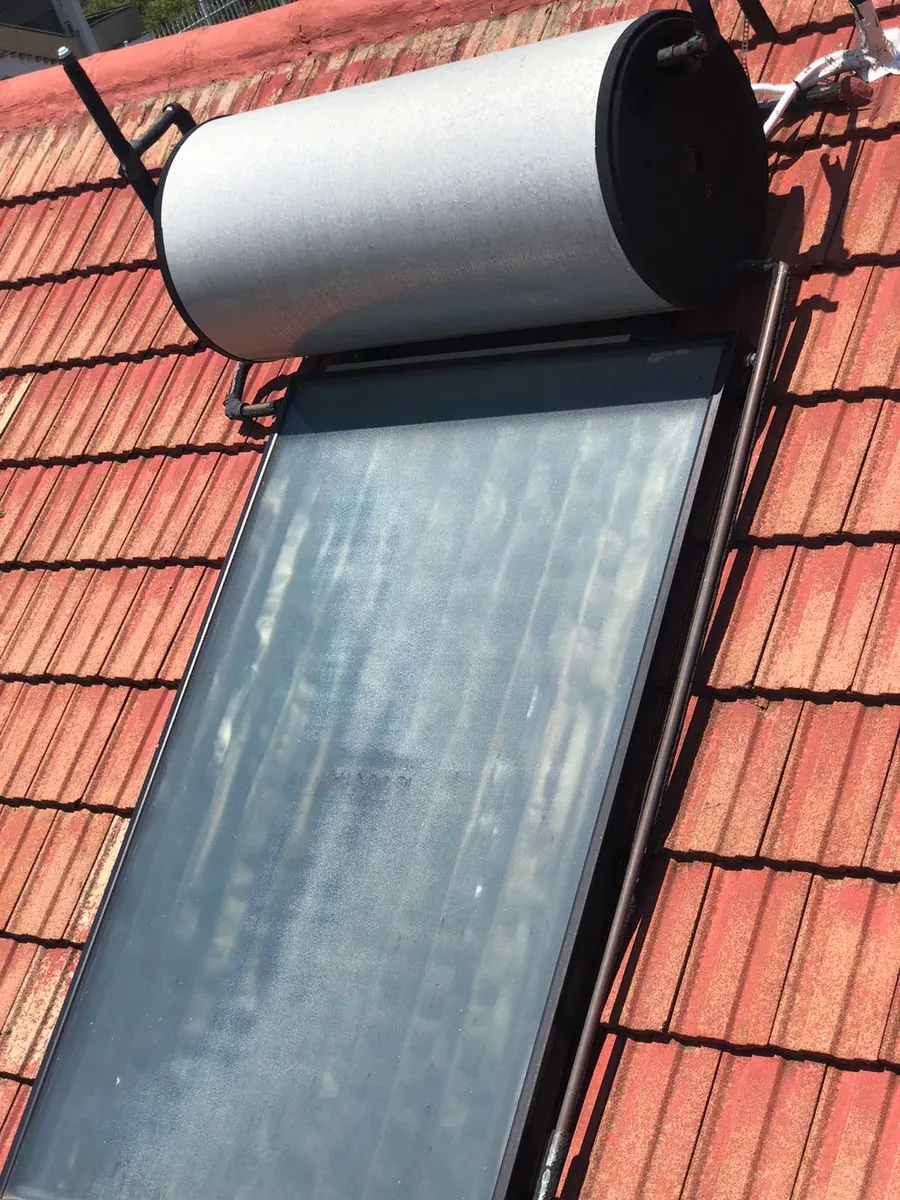
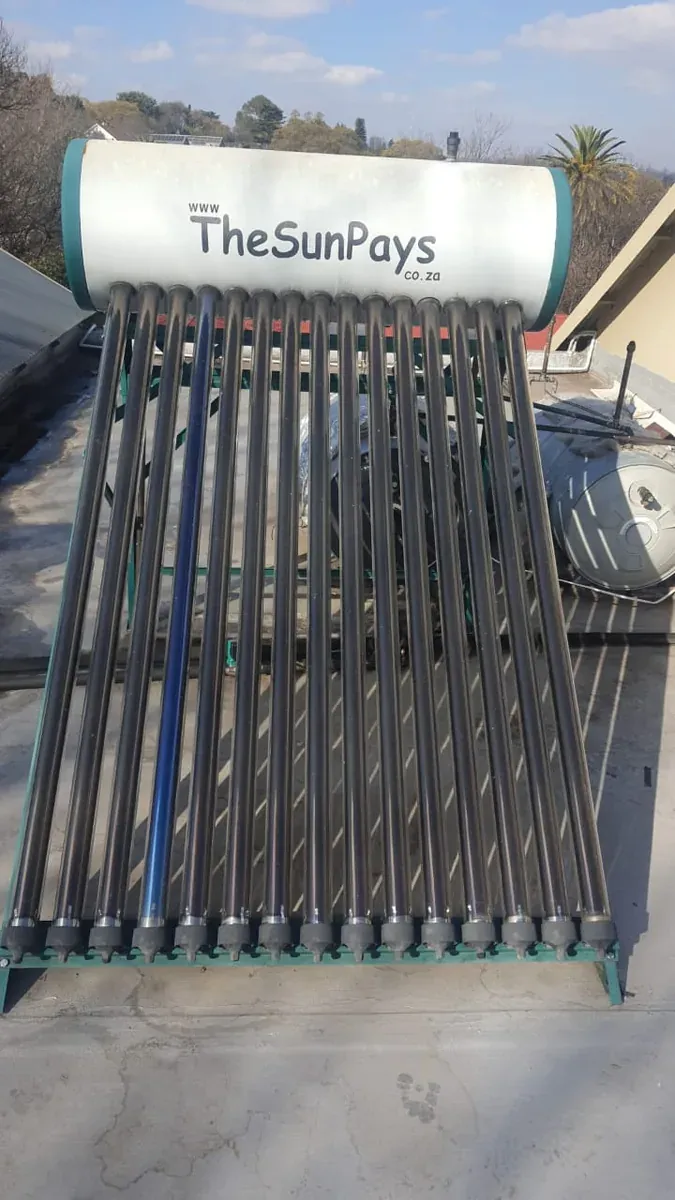
flat plate solar collector used for comparison during 150 litre solar geyser maintenance advice
Flat plate and evacuated tube systems age differently, so maintenance decisions must account for the collector type and the condition of the complete installation.

What this means for your home

Our plumbers assess the symptom before replacing parts. A lack of hot water may be caused by reduced solar collection, an electrical backup fault, a valve problem or unusually high demand. By checking the complete system, we can recommend a repair based on evidence rather than guesswork.

Why the assessment matters

Customers value clear explanations, especially when a system is unfamiliar. We show what has failed, explain the proposed repair and confirm the cost before proceeding. That transparent approach builds trust and helps homeowners make confident maintenance decisions.

Broken or Underperforming Evacuated Tubes

A visibly damaged tube should be assessed, but poor performance can also occur without obvious breakage. We inspect the collector and related components to determine whether tube replacement is appropriate.

Leaks, Valves and Insulation Deterioration

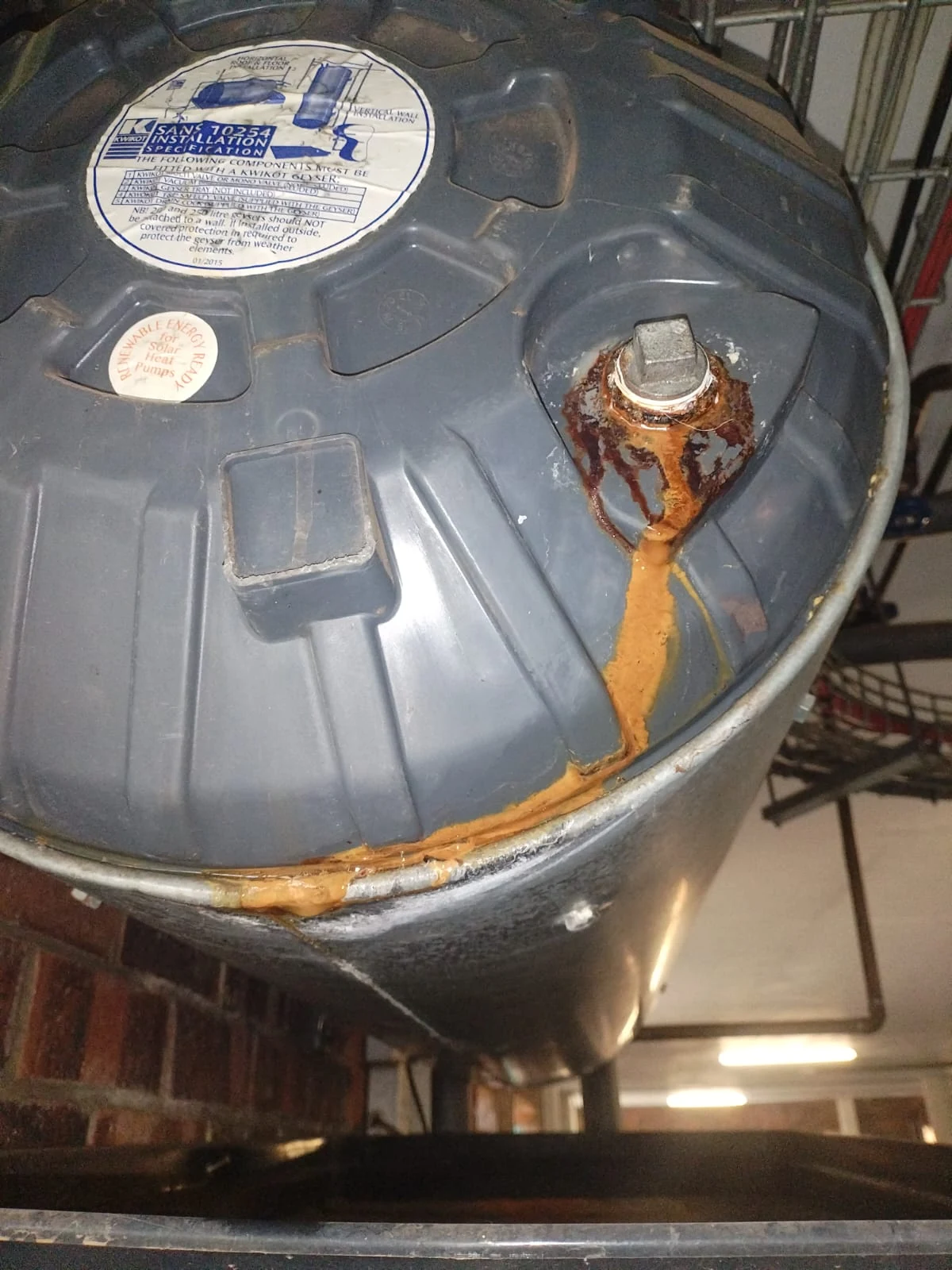
Weather exposure can affect external insulation and fittings over time. Regular inspection helps identify heat loss, corrosion or leakage before it affects the roof, ceiling or water supply.

When to Book a Professional System Check

Unexpectedly high electricity use, inconsistent hot water, visible leakage, unusual discharge or damaged tubes are good reasons to request an inspection. Prompt diagnosis protects both performance and property.

Clear answers

Why Homeowners Trust Our Solar Geyser Plumbers

Trust is earned through consistent actions: arriving as arranged, explaining the work clearly, respecting the property and completing the installation carefully. We understand that customers are inviting a tradesperson into their home and relying on that person to make decisions that affect safety, comfort and household expenses.

roof-mounted flat plate solar geyser installation inspected by experienced solar geyser plumbers
Real rooftop inspections allow plumbers to assess collector condition, pipe routing, support points and exposure to weather.

What this means for your home

Our plumbers focus on honest recommendations rather than pressure. We do not claim that every property needs the same system, and we do not promise identical savings for every household. We assess the installation, explain the available options and allow the customer to approve the work with a clear understanding of the scope.

Why the assessment matters

Quality workmanship is supported by communication. We keep customers informed, test the completed system and remain available when advice or follow-up support is needed. That combination of technical care and dependable service is why homeowners contact us for solar geyser conversions, repairs and ongoing plumbing work.

Clear Quotations Before Work Begins

A customer should know what is being installed and what the quoted price covers. We discuss necessary repairs or upgrades before proceeding so decisions are informed and documented.

Respect for Your Home and Roof

We plan access, protect the work area and aim for neat, secure installations. Roof work and plumbing alterations are handled carefully because preventing damage is part of the job.

Reliable Support When You Need Assistance

A professional relationship should not end at handover. Customers can contact us for maintenance, fault diagnosis and practical guidance as the system continues operating.

The next sensible step

Frequently Asked Questions About 150 Litre Solar Geyser Conversions

These are common questions homeowners ask before approving a conversion. We answer them in plain language and confirm property-specific details during the assessment.

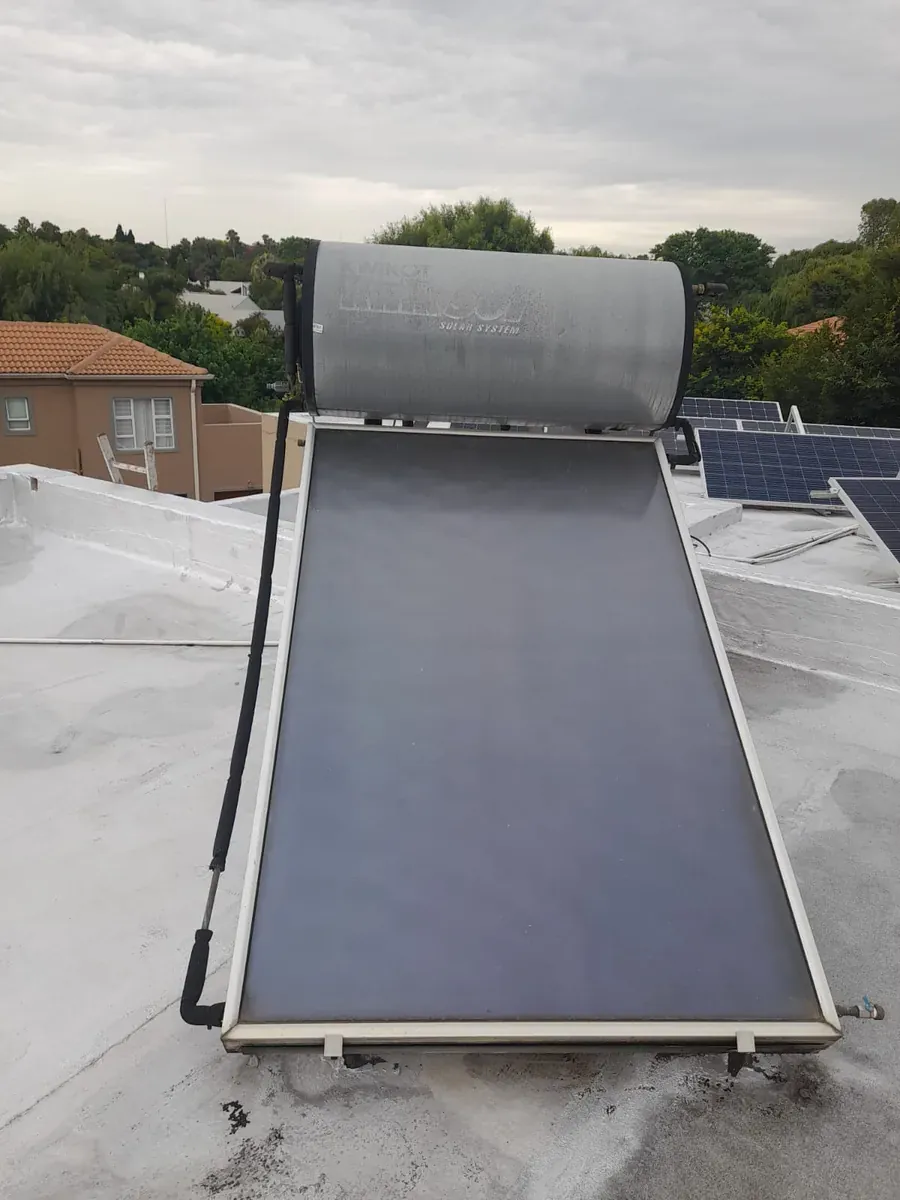
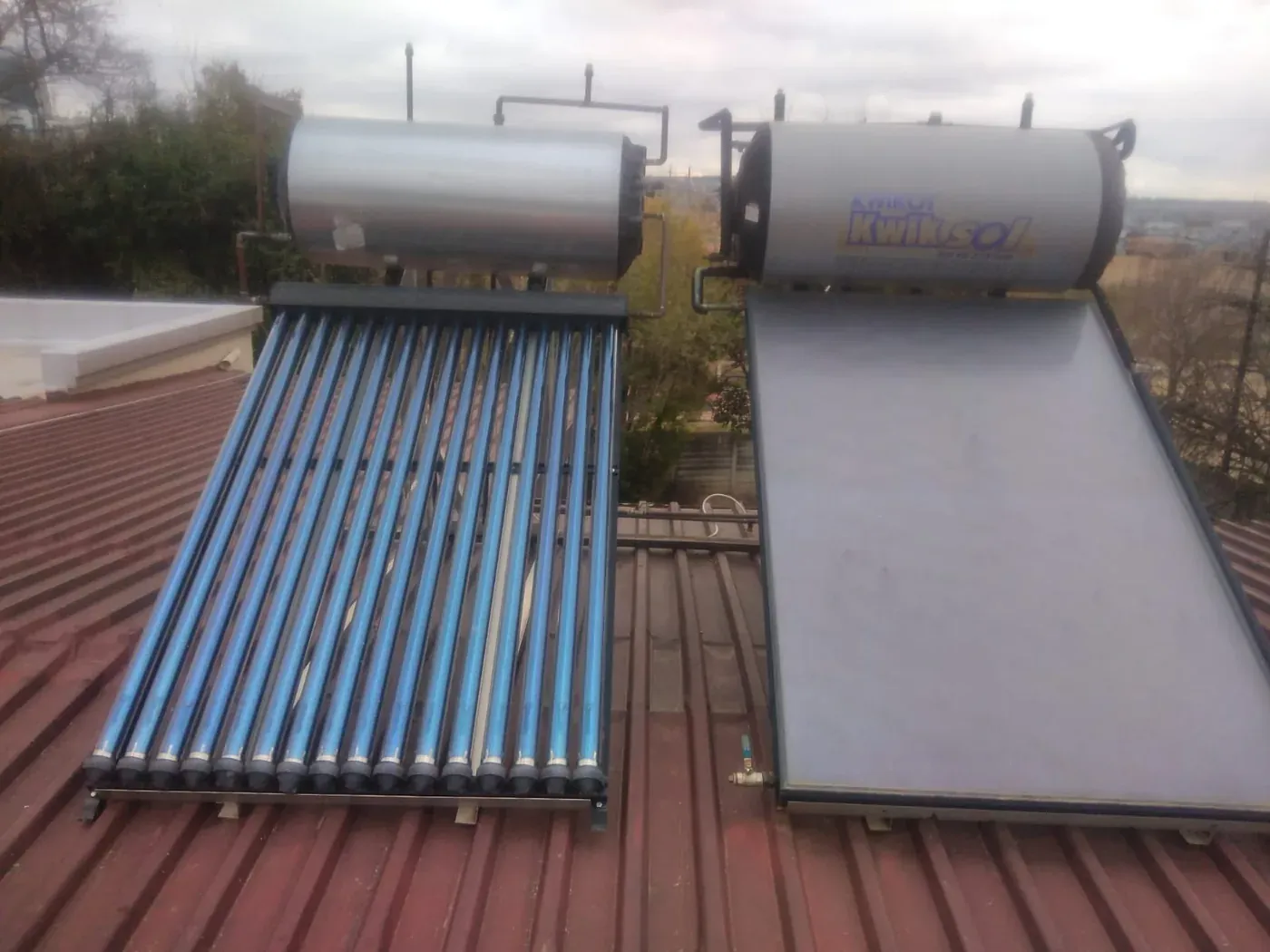
side by side evacuated tube and flat plate solar geyser systems for 150 litre conversion guidance
Seeing both collector technologies side by side helps homeowners understand the practical differences before choosing a conversion approach.

How many people can a 150 litre solar geyser serve?

It is often considered for two or three people with balanced daily hot-water use, but shower duration, flow rates and peak demand can change the recommendation. We assess actual usage before confirming the size.

Will the system still provide hot water in winter?

Evacuated tubes can collect useful heat in cooler conditions, but solar contribution varies with sunlight and demand. Electrical backup may still be used when solar input is insufficient.

Can my existing electric geyser be converted?

Many existing geysers can form part of a conversion if the cylinder and safety components are suitable. We inspect the installation first and explain any necessary upgrades.

How long does a professional conversion take?

Time depends on roof access, pipe routing and the condition of the existing system. We provide a realistic estimate after inspection rather than promising the same duration for every property.

What maintenance does an evacuated tube system need?

Periodic checks of tubes, insulation, valves, fittings and system performance help maintain efficiency. Any visible damage, leakage or sudden performance change should be inspected promptly.

Request a 150 Litre Solar Geyser Conversion Assessment

Speak to our plumbers about your household’s hot-water use, existing geyser and roof layout. We will assess the installation, explain the suitable options and provide a clear quotation before work begins.

Helpful plumbing guides

Learn more about 150 Litre Evacuated Tube Solar Geyser Conversion

Explore practical guides related to 150 litre evacuated tube solar geyser conversion, including warning signs, emergency steps, maintenance advice and information that can help you make a confident decision.

Explore all plumbing guides