Featured guide
How to Find a Reliable Plumber in South Africa
How to find a reliable plumber in South Africa with a practical checklist. Learn PIRB registration, credentials to check, and red flags to avoid.
Read guide
Find the problem that matches what is happening at your property, jump directly to the right section and get a clear answer without searching through one long, confusing list.
Select the category that most closely matches the problem. Each link takes you directly to an organised group of answers. More information is available on Tell us what is happening. We will help you take the right next step..
Flooding, overflowing fixtures and urgent faults
Slow drains, sewer blockages and recurring clogs
Split pipes, water spraying and damaged lines
Visible leaks, dampness and unexplained water use
Hidden pipes, underground leaks and testing
No hot water, leaks, valves and replacement
Dripping taps, running toilets and faulty fittings
Sinks, basins, showers and renovations
Low pressure, fluctuating flow and supply faults
New fixtures, appliances and pipework
Call-outs, estimates and cost factors
Johannesburg, Pretoria and greater Gauteng
Use this section when water is actively escaping, sewage is backing up or the property is at immediate risk. More information is available on Practical plumbing guides for real problems.
Get Help With This ›Active flooding, a burst pipe, sewage backing up, a geyser releasing water or a complete loss of water supply usually requires urgent attention. More information is available on Find plumbing help in your part of Gauteng.
If it is safe, close the nearest isolation valve or the property main water supply. Keep people away from contaminated water and wet electrical areas. More information is available on Website sitemap.
After-hours assistance may be available for urgent plumbing faults, subject to technician availability and your location. More information is available on Website disclaimer.
Yes. We help with urgent plumbing call-outs including burst pipes, blocked drains, leaking toilets, water pressure problems and geyser faults. More information is available on Transparency statement.
Start here for slow sinks, overflowing toilets, bad drain smells or a blockage that keeps returning. More information is available on Terms and conditions.
Get Help With This ›Recurring blockages may be caused by grease, roots, damaged pipework, poor pipe fall or an obstruction deeper in the line.
Some products may move minor buildup, but they can damage fittings or create hazards. Serious or recurring blockages should be professionally assessed.
A camera is helpful when blockages return, the pipe route is uncertain or structural damage is suspected.
This section covers split pipes, sudden water release and immediate steps to limit damage.
Get Help With This ›Close the main water supply if it is safe and accessible, switch off electricity near affected areas and call for emergency assistance.
Often yes, but the correct repair depends on pipe condition, material, access and whether surrounding sections are also weakened.
Stop the water source, move valuables, collect safe standing water and avoid ceilings or walls that appear swollen or unstable.
Use these answers for dripping fittings, wet walls, damp ceilings and unexplained water consumption.
Get Help With This ›A visible drip may appear minor, but concealed water can spread. Active or worsening leaks should be assessed promptly.
A hidden leak, running toilet, faulty valve or underground pipe problem may cause unexplained water use.
If the leak is active and causing damage, close the nearest safe isolation valve or main supply until the fault can be assessed.
This section explains hidden leaks, testing and how plumbers narrow down the source before opening surfaces.
Get Help With This ›Unexpected water use, damp patches, mould, peeling paint, warm floor areas or the sound of running water can indicate a concealed leak.
The aim is to narrow down the likely fault before opening surfaces. Some access may still be required once the location is identified.
Specialised testing can help identify the likely area of an underground supply leak before excavation is planned.
Find answers about leaking geysers, no hot water, valves, repairs, replacement and safety.
Get Help With This ›Where safe, switch off the geyser at the distribution board and close its water supply. Avoid touching wet electrical fittings.
The best option depends on age, condition, fault, repair cost and parts availability. Both options should be explained before work begins.
Occasional discharge can relate to pressure control, but continuous or heavy flow may indicate a valve, pressure or temperature problem.
Use this section for dripping taps, running toilets, poor flushing and leaking fittings.
Get Help With This ›A worn inlet valve, outlet seal, float or internal mechanism may allow water to continue flowing into the pan.
Many taps can be repaired with suitable seals or cartridges, but damaged or badly worn fittings may be better replaced.
The cause may be low cistern water, an internal mechanism fault, a partial blockage or a drain problem.
This section groups common questions about sinks, basins, showers, baths and renovation plumbing.
Get Help With This ›Yes, subject to the existing layout, access, drainage fall and the practicality of the proposed fixture positions.
Loose waste fittings, worn seals, leaking supply hoses or damaged traps are common causes.
Sometimes, but the pipe sizes, condition, positions and drainage arrangement must be checked first.
Start here when taps are weak, pressure changes suddenly or only part of the property is affected.
Get Help With This ›Possible causes include a partially closed valve, supply restriction, leaking pipe, faulty pressure valve or municipal supply issue.
A blocked aerator, faulty mixer cartridge, kinked hose or local pipe restriction may affect a single fixture.
Yes. Excessive pressure can increase stress on valves, fittings, geysers and flexible connectors.
Use this section before installing new fixtures, appliances, geysers or water connections.
Get Help With This ›The fixture or appliance details, existing connections, access, measurements and any manufacturer requirements are useful.
This may be possible when the product is suitable, complete and compatible with the property. Installation terms should be confirmed first.
Yes. Changes to water, waste or drainage connections can affect labour, materials and time.
These questions explain estimates, call-outs and why some plumbing prices can only be confirmed after inspection.
Get Help With This ›A provisional estimate may be possible for clearly defined work. Hidden faults and uncertain access usually require inspection.
The fault, access, labour, materials, time of attendance and any additional approved work can affect the price.
The plumber should stop, explain the finding and obtain approval before extending the agreed scope.
Use this section to understand coverage and what information helps confirm whether a plumber can attend your property.
Get Help With This ›Plumb A Nator serves many suburbs across Johannesburg, Pretoria, Centurion, Midrand, the East Rand, West Rand and greater Gauteng.
Yes. Distance, traffic, technician position and current workload can affect the estimated arrival time.
Send the suburb, nearest landmark if necessary and a short description of the plumbing problem.
We assist with blocked drains, leak detection, burst pipe repairs, geyser repairs, toilet repairs, tap and mixer issues, inspections, replacements and general plumbing maintenance.
Yes. You can call or WhatsApp your name, address, contact number and a short description or photographs of the plumbing issue so the team can guide the next step quickly.
Every property is different. Send your suburb, a short description and safe photographs so the team can guide you toward the correct next step.
Ask Plumb A Nator › Call 067 895 4361 ›Explore practical guides related to frequently asked plumbing questions, including warning signs, emergency steps, maintenance advice and information that can help you make a confident decision.
How to find a reliable plumber in South Africa with a practical checklist. Learn PIRB registration, credentials to check, and red flags to avoid.
Read guide
When it comes to plumbing repairs in your home, peace of mind matters just as much as the repair itself. One of the most common questions homeowners ask…
Read guidePlumbing permit requirements South Africa explained: when permits are required, municipal processes, COC certificates, costs, and penalties for non-compliance.
Read guide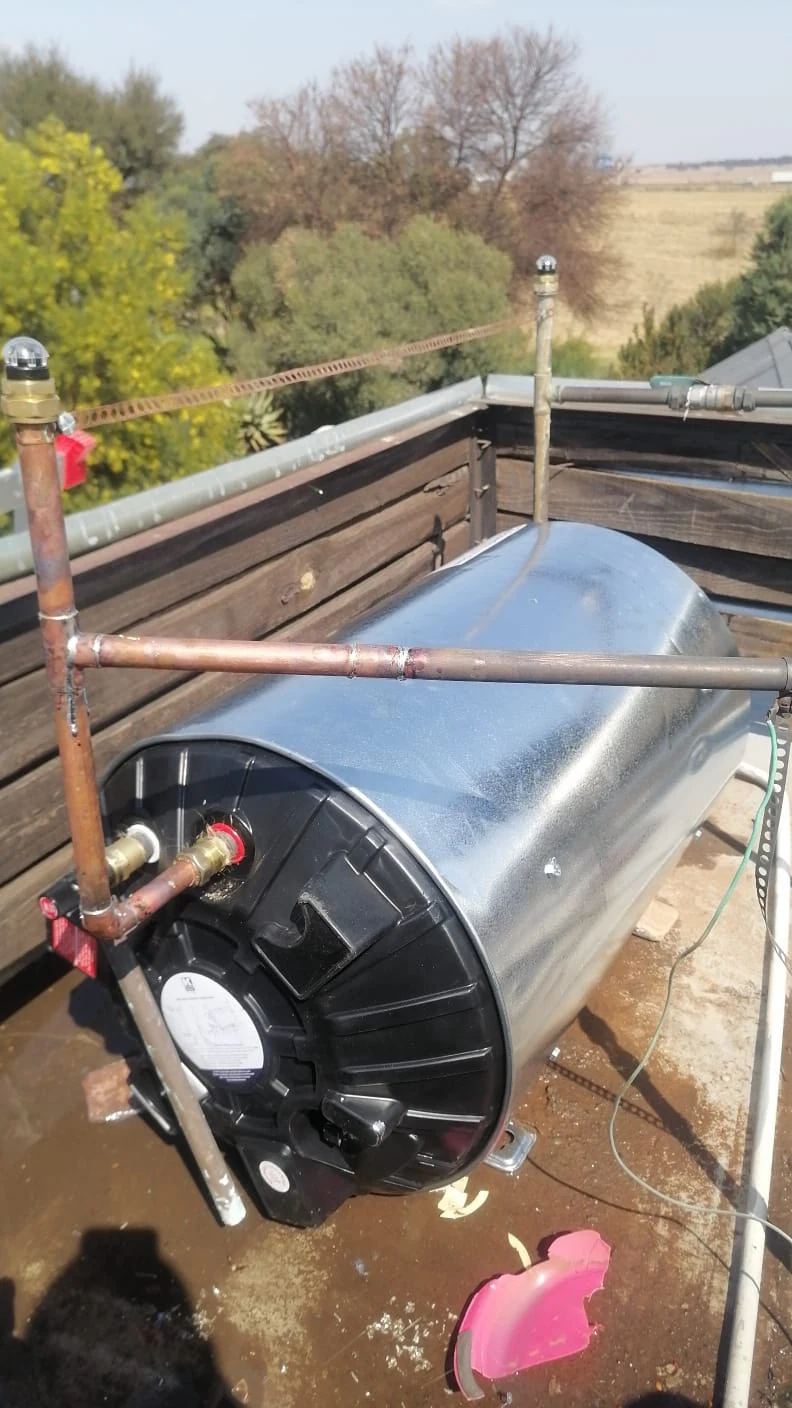
When it comes to maintaining your home, plumbing is often overlooked—until something goes wrong. While most homeowners regularly check their roofs,…
Read guide