Need plumbing help? Speak directly to our team 24/7.
Leak Detection
FIND HIDDEN LEAKS BEFORE THEY BECOME MAJOR DAMAGE

Leak Detection

Professional leak detection for homes and businesses, using careful fault finding to locate concealed leaks, reduce unnecessary damage and help stop ongoing water loss.

Free call-out feesFree quotes24/7/365 serviceSame-day service

Get help with leak detection

Send your details for a quick callback and practical next steps.

By submitting, you ask our plumbing team to contact you about this request. Do not include banking details or passwords.

Fast ResponseHelp when it matters most.
24
Available 24/7Day or night, we’re ready.
Trusted ApproachClear, honest and professional.
Planning insight

Leak detection based on evidence, not guesswork

The purpose of leak detection is to understand where water is being lost and why before unnecessary breaking begins. We combine site observations, meter testing, isolation and appropriate instruments to narrow the search and guide a practical repair. You can also review our local coverage for Water Leak Detection and Repair in Gauteng.

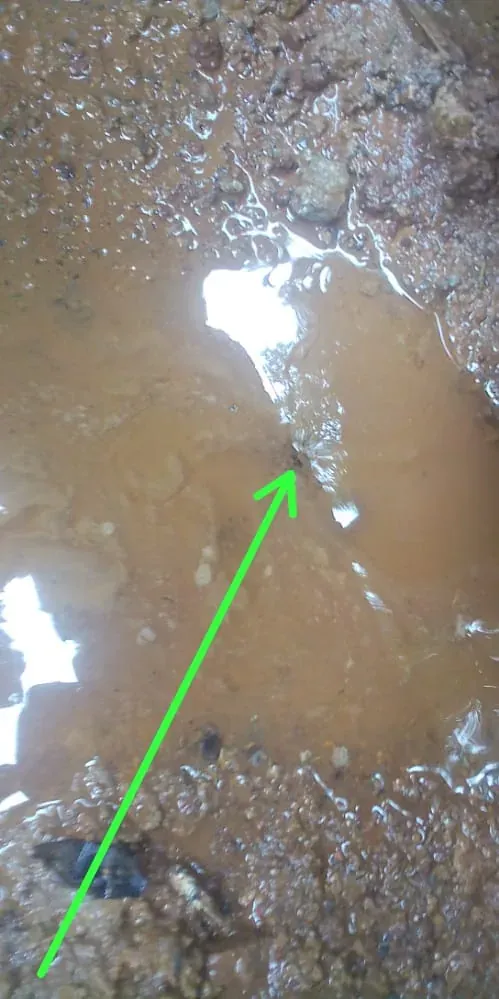
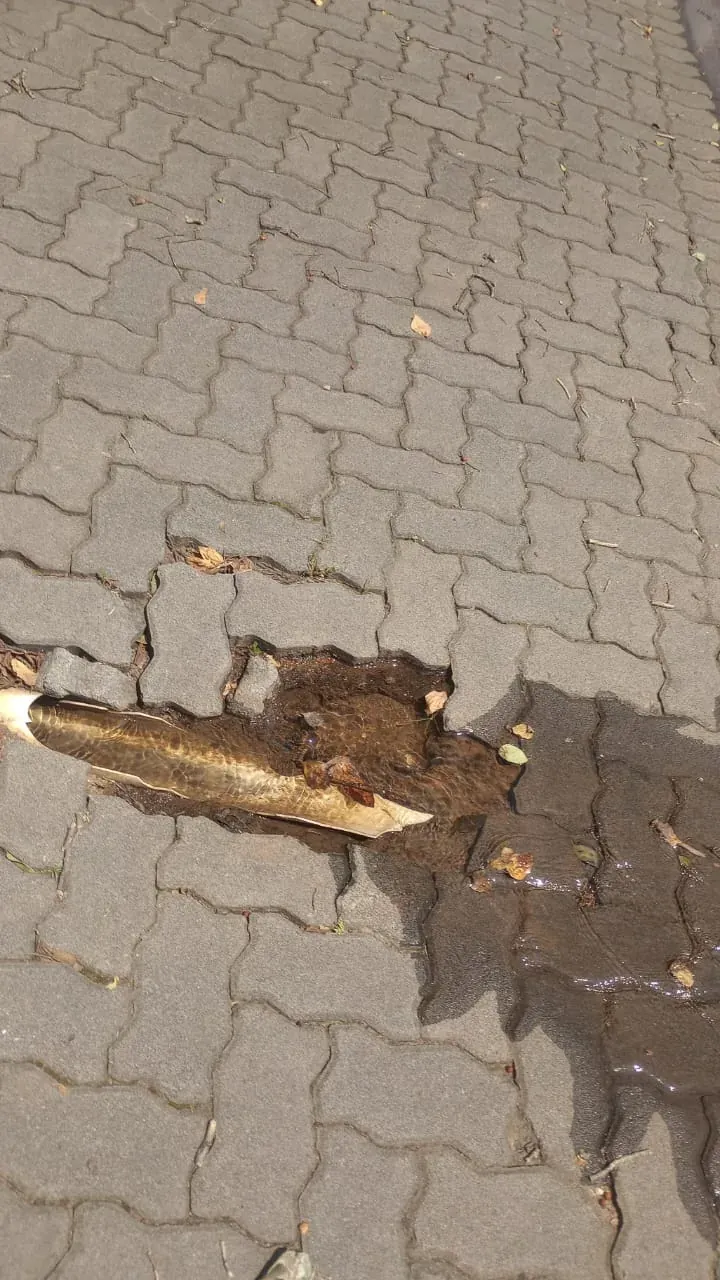
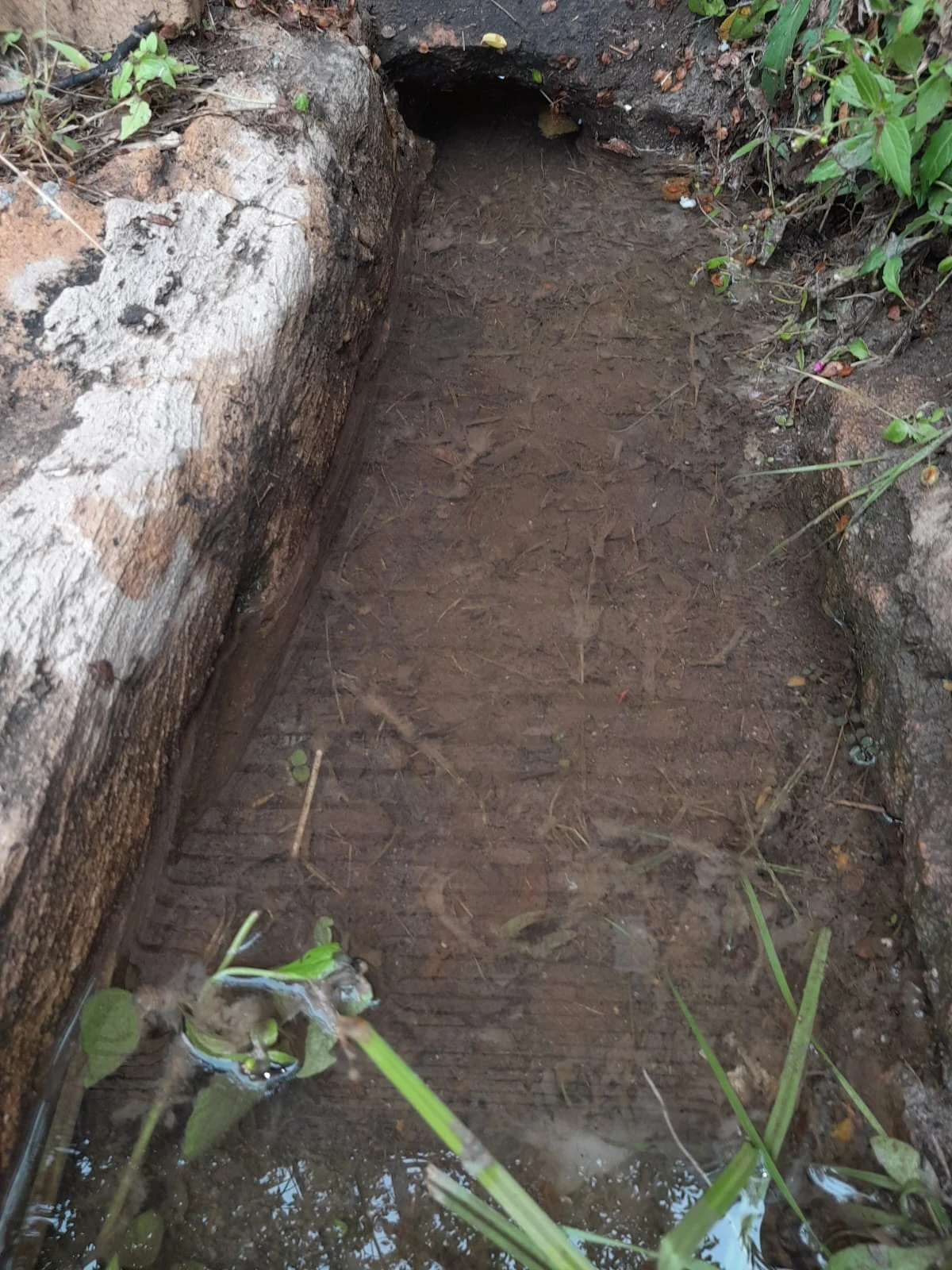
Water surfacing through paving above a suspected underground leak
Water appearing between paving blocks can indicate an underground supply-pipe leak.
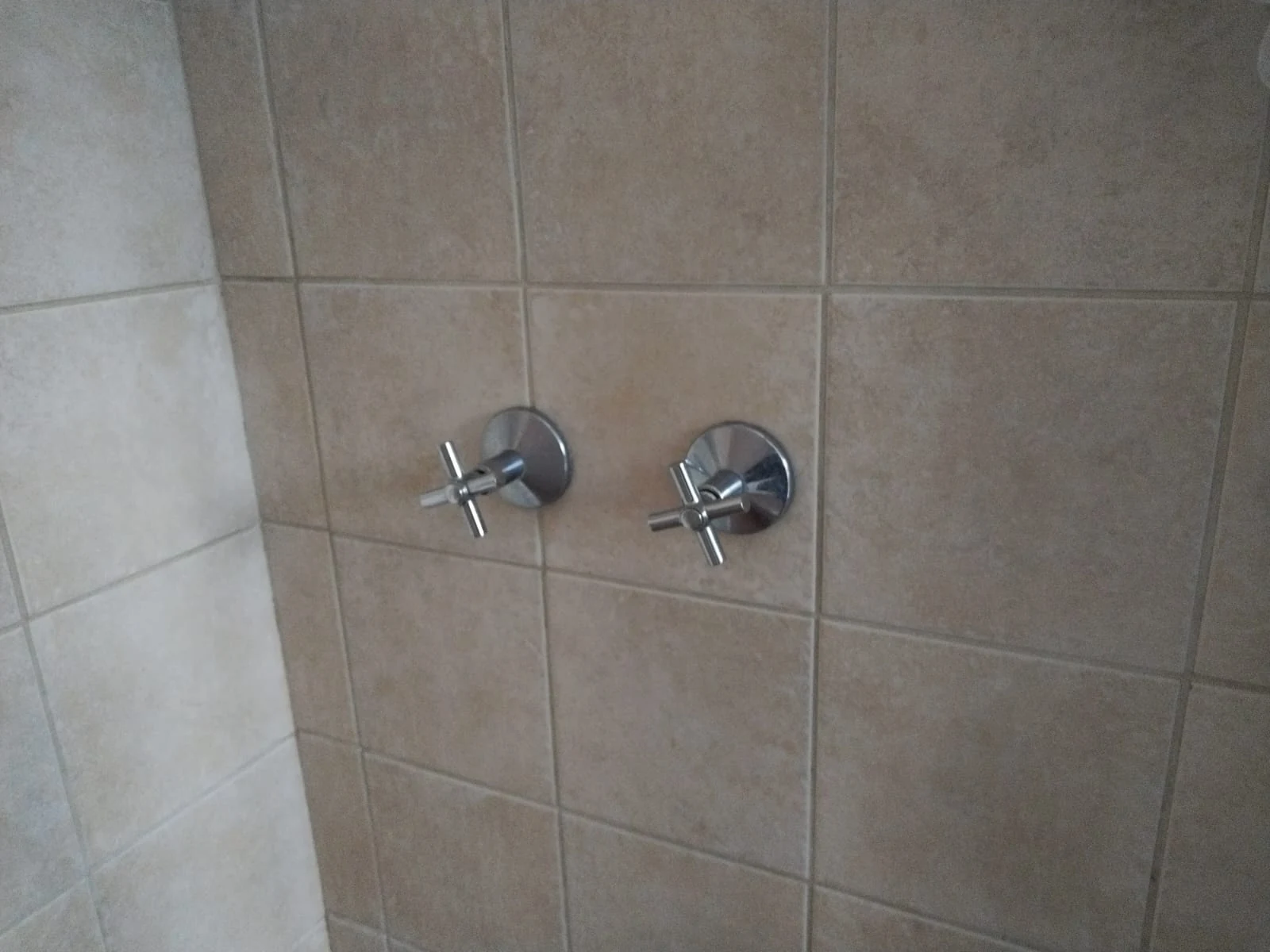
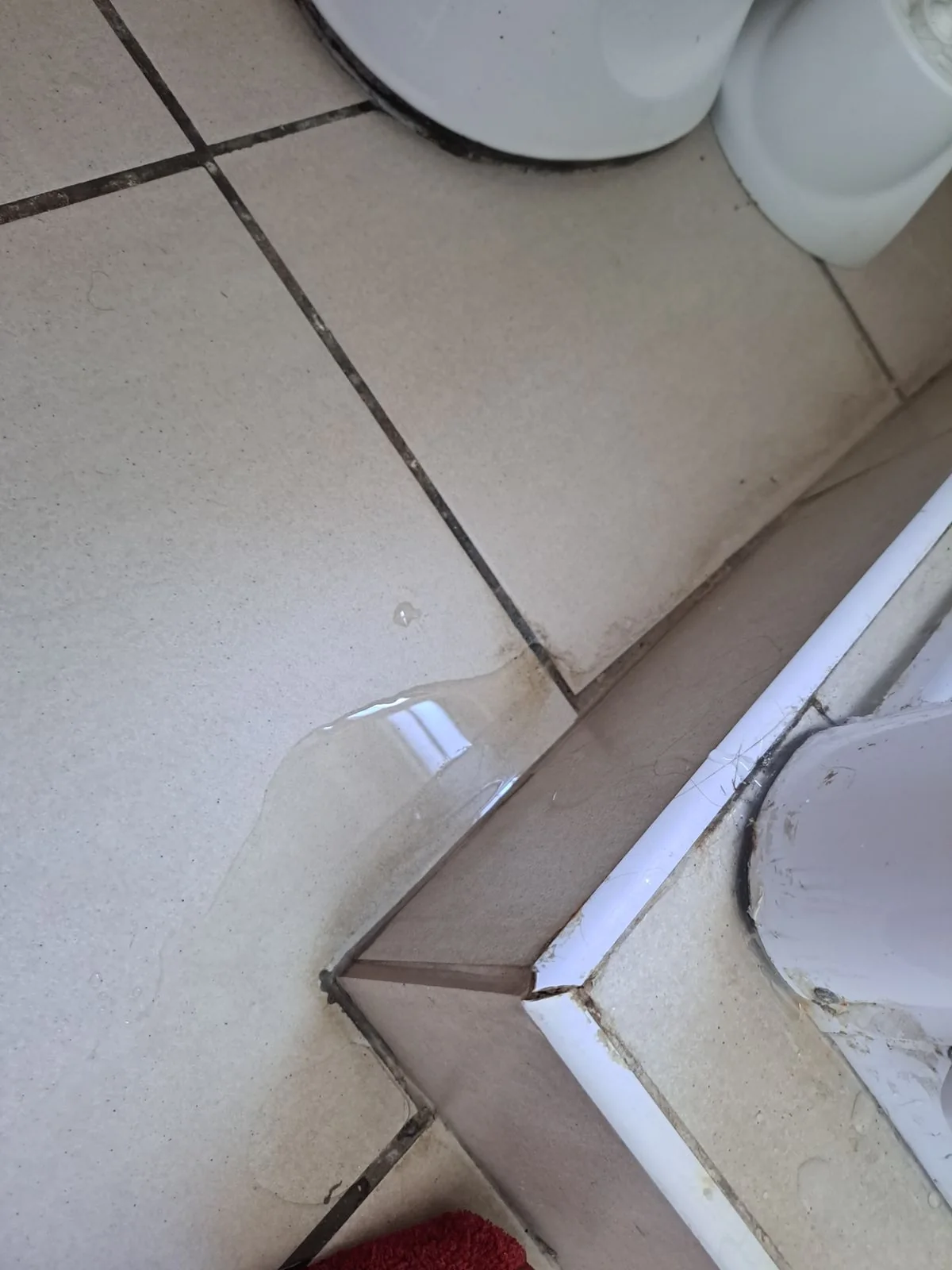
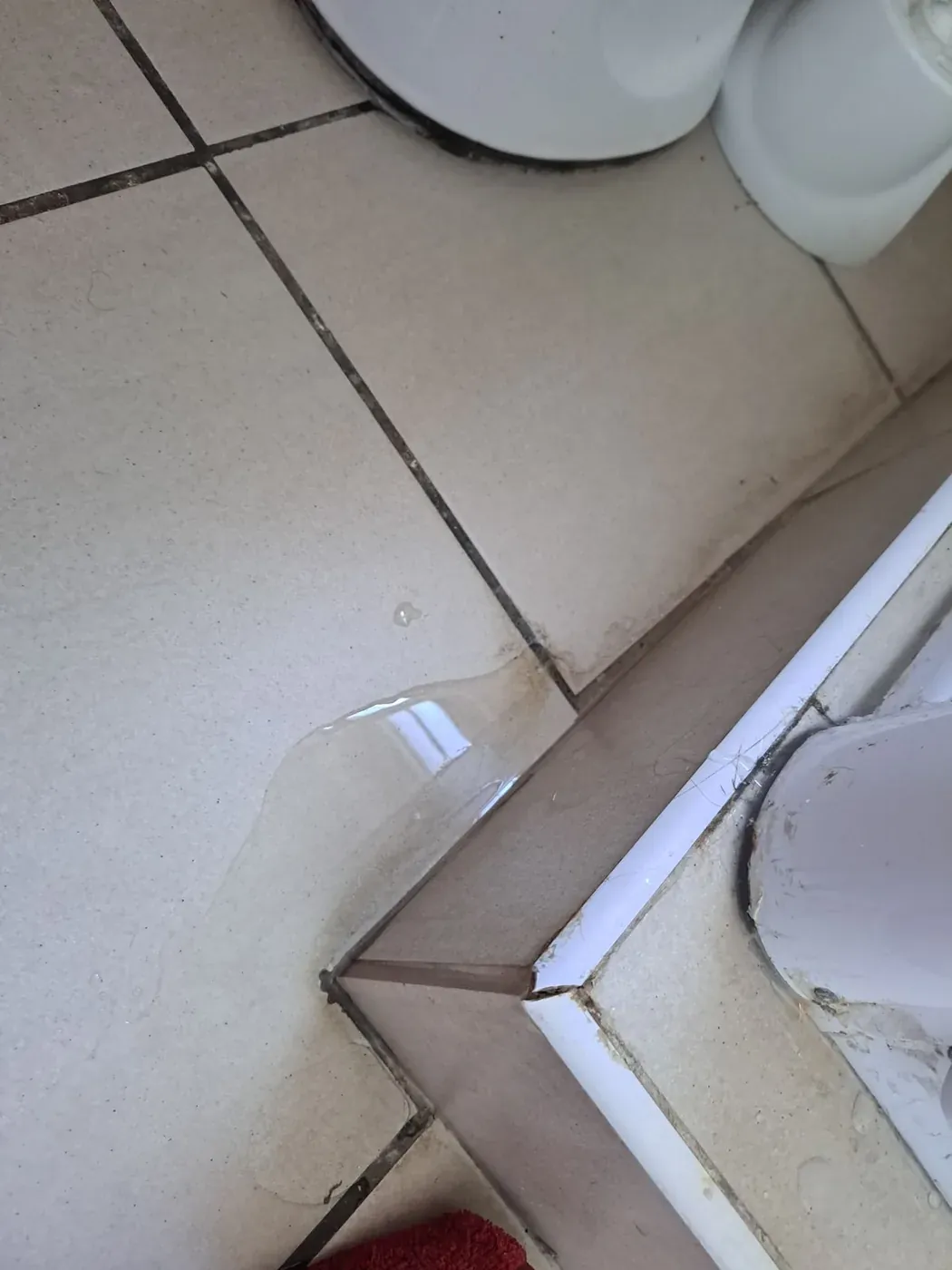
Wet bathroom floor showing signs of a concealed plumbing leak
Unexpected water on a bathroom floor can point to concealed supply, waste or fixture-related leakage.
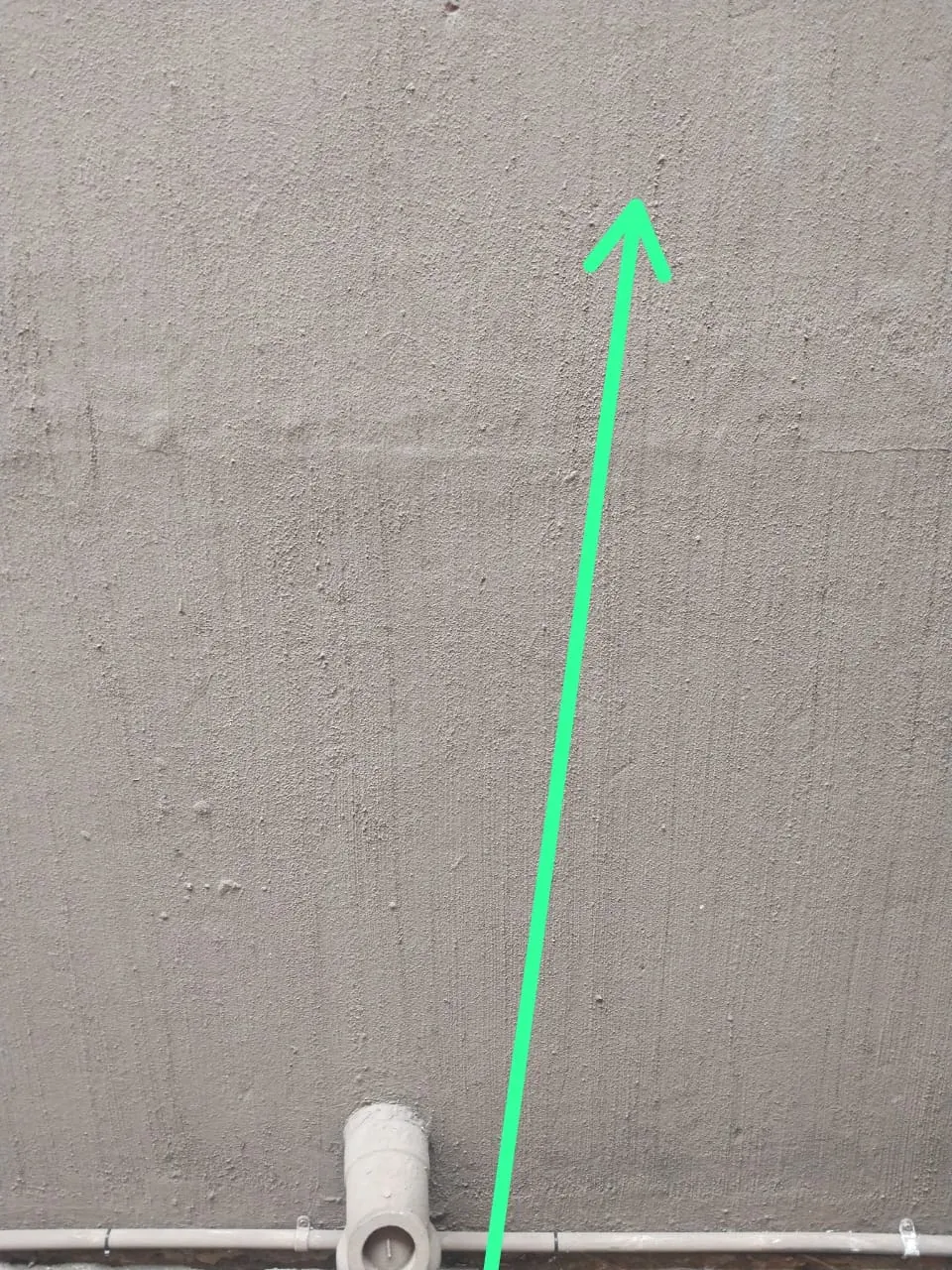
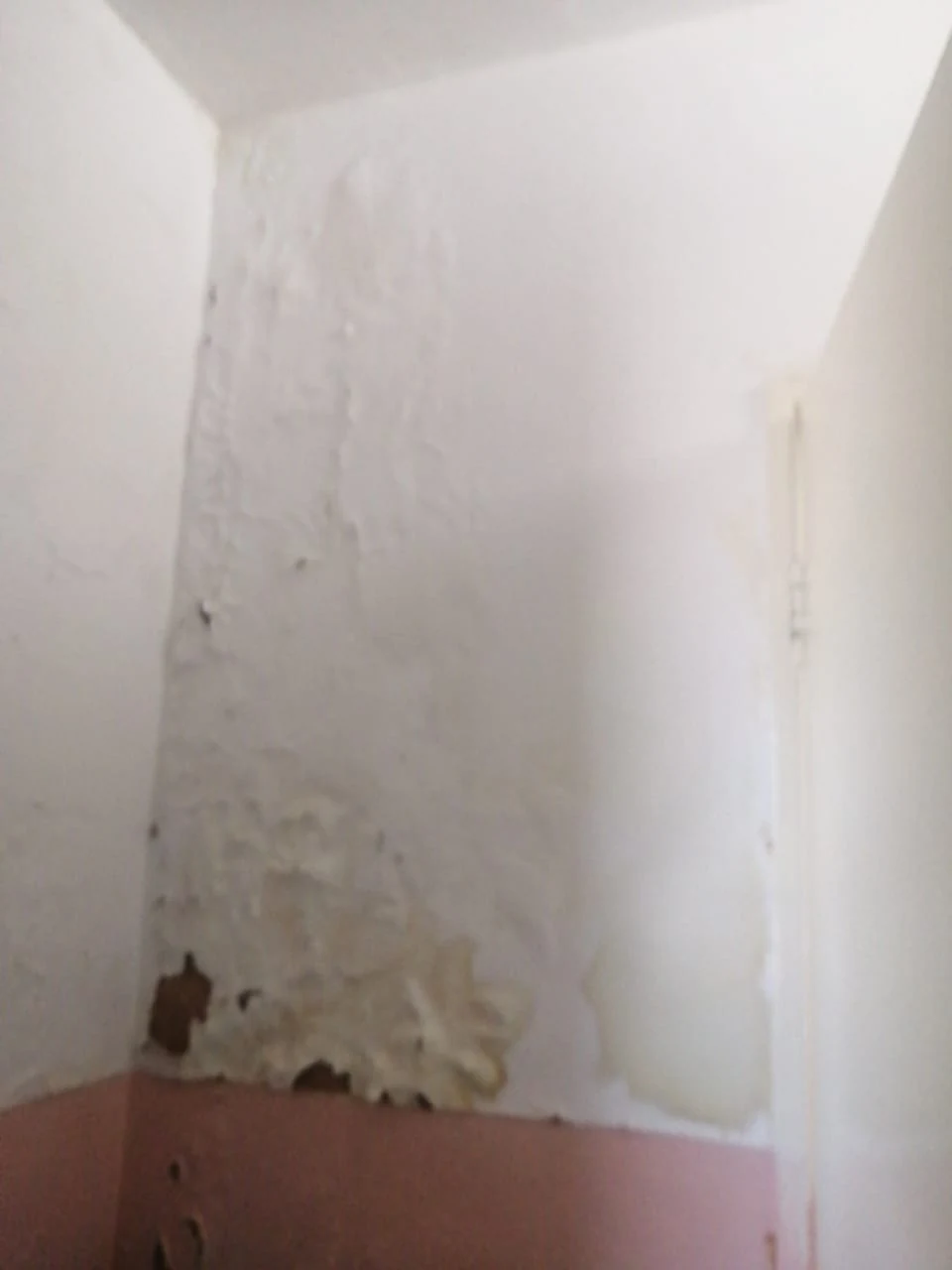
Damp wall cracking caused by moisture from a hidden plumbing leak
Cracking, staining and dampness can help trace how moisture is moving through a wall.

When leak detection is appropriate

Leak detection is useful when the meter moves with all fixtures closed, water accounts rise unexpectedly, pressure drops or dampness appears without an obvious source. It can also help verify suspected underground or concealed pipe failure. Related professional help is available through Professional Plumbing Services.

Visible dripping taps, running toilets and leaking geyser valves should be checked first because these faults may explain the loss without specialised testing. Related professional help is available through Professional Geyser Repair for Reliable Hot Water.
Different leaks create different clues

Pressurised pipes tend to lose water continuously, while waste leaks appear mainly when a fixture is used. Hot-water leaks may create warmth, and underground leaks may soften soil or produce unusually green growth. Related professional help is available through Plumbing services for urgent faults and planned work.

We compare these clues with the building layout and plumbing routes rather than relying on one symptom alone. Related professional help is available through Emergency Plumbers Near Me.

Why accurate diagnosis saves disruption

Opening walls or floors in the wrong place increases restoration cost and delays the actual repair. A structured investigation aims to reduce the search area and choose an access point that allows the failed pipe to be repaired correctly. Related professional help is available through Blocked Drain Cleaning.

Detection does not eliminate the need for access, but it makes the decision more informed. Related professional help is available through Your enquiry cart.

How the work unfolds

Our professional leak detection process

Each investigation is adapted to the property and the type of plumbing involved.

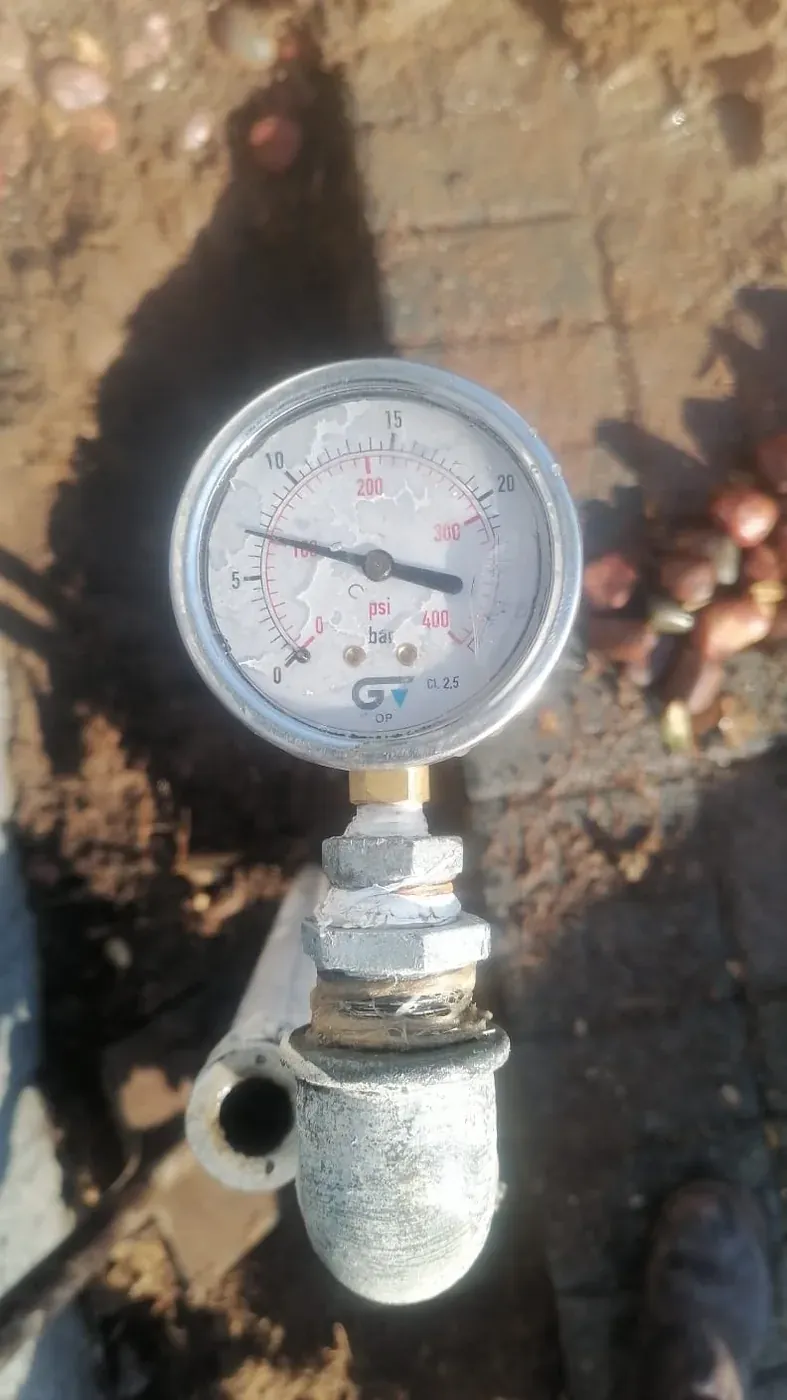
Pressure gauge connected during a professional leak detection pressure test
Pressure testing helps confirm whether a concealed pressurised water line is losing water.
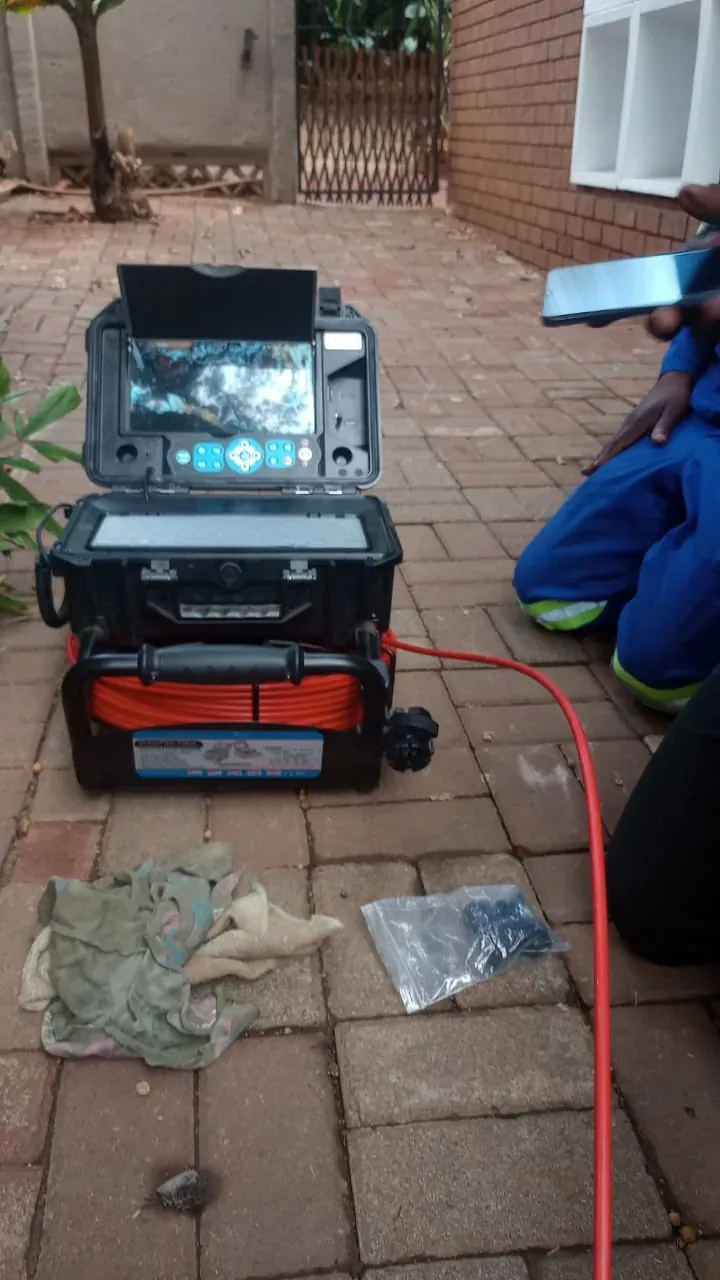
Professional electronic inspection equipment used during leak detection
Electronic and visual diagnostic equipment supports a methodical investigation instead of unnecessary breaking.
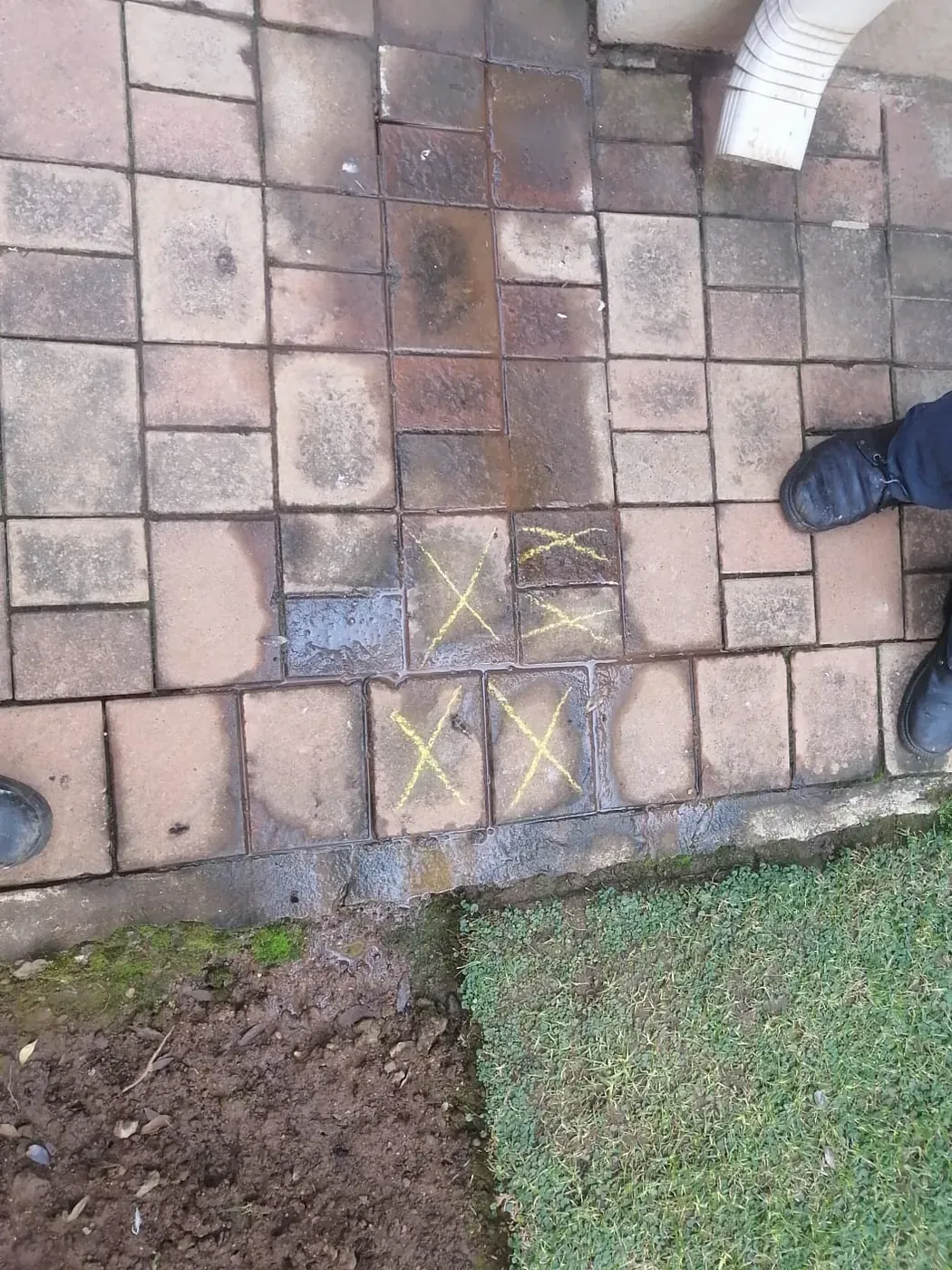
Marked paving showing the narrowed investigation area for a hidden leak
Marking the strongest evidence allows excavation to be planned around a focused investigation area.

Initial inspection and consumption review

We ask when the problem began, examine recent account changes and inspect toilets, taps, geysers, irrigation and visible pipework. Simple leaks are ruled out before concealed systems are tested.

The main meter is observed under controlled conditions. A stable test requires all legitimate water use to be stopped and storage appliances to be considered.

Isolation and pressure testing

Branches or zones are isolated where the installation allows it. Changes in meter movement or pressure help narrow the system that contains the loss.

Pressure testing must be conducted carefully to avoid stressing old plumbing beyond normal operating conditions.

Instrument-assisted investigation

Acoustic equipment can listen for the sound of escaping water, while thermal and moisture observations may reveal temperature or dampness patterns. Tracer methods may be considered for specific systems.

No instrument is infallible. Results are interpreted alongside pipe routes, materials, depth and background conditions.

Faults and practical solutions

From detected leak to dependable repair

Finding a likely location is only useful when it leads to a sensible repair plan.

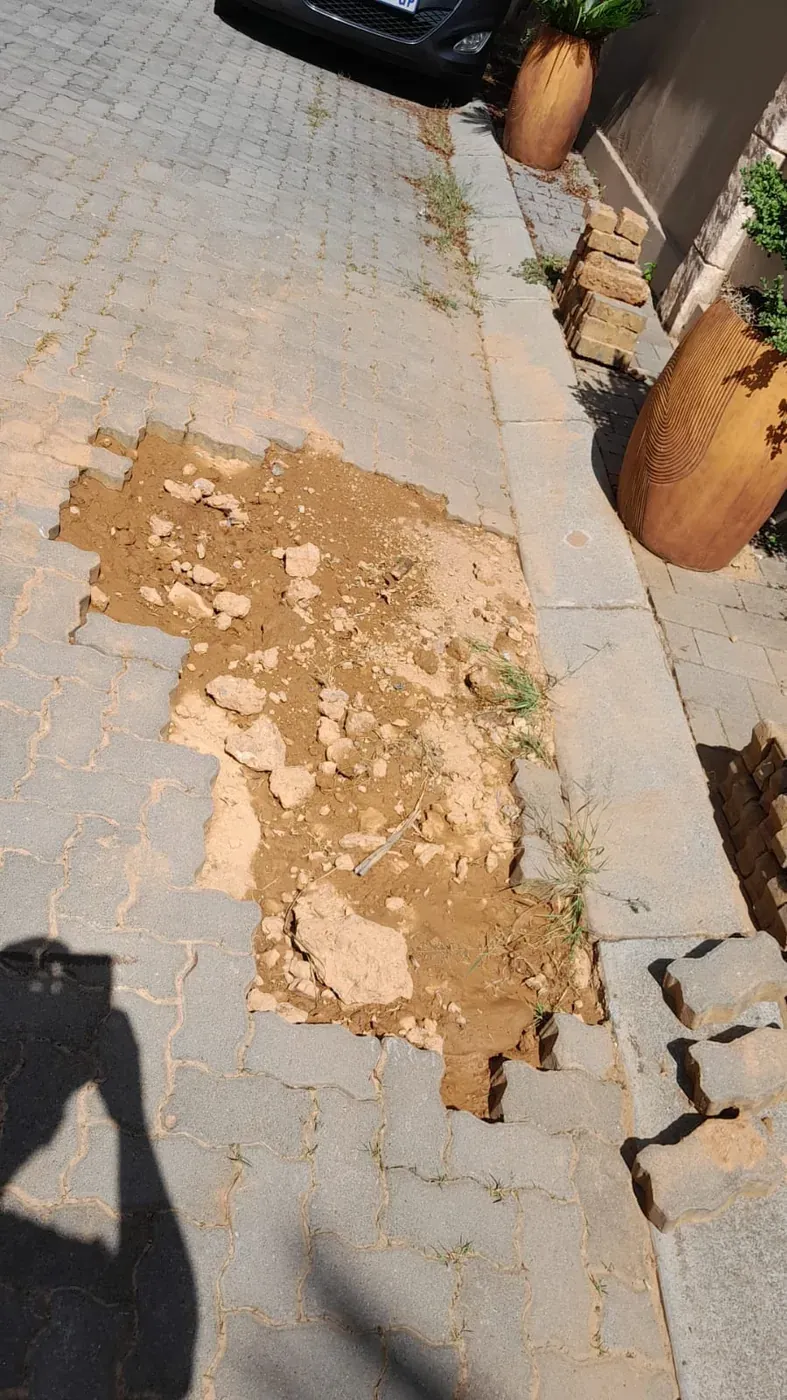
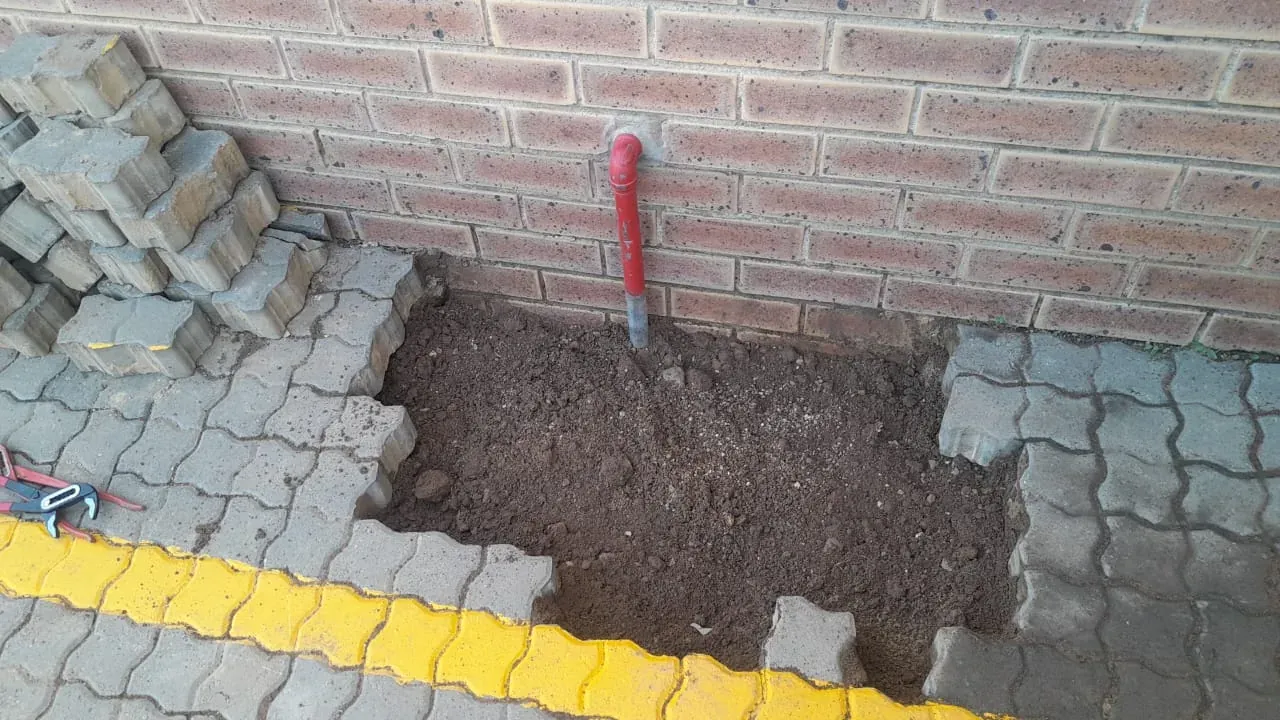
Targeted paving excavation exposing an underground pipe leak
A carefully selected opening limits disruption while giving the plumber safe access to the suspected pipe route.
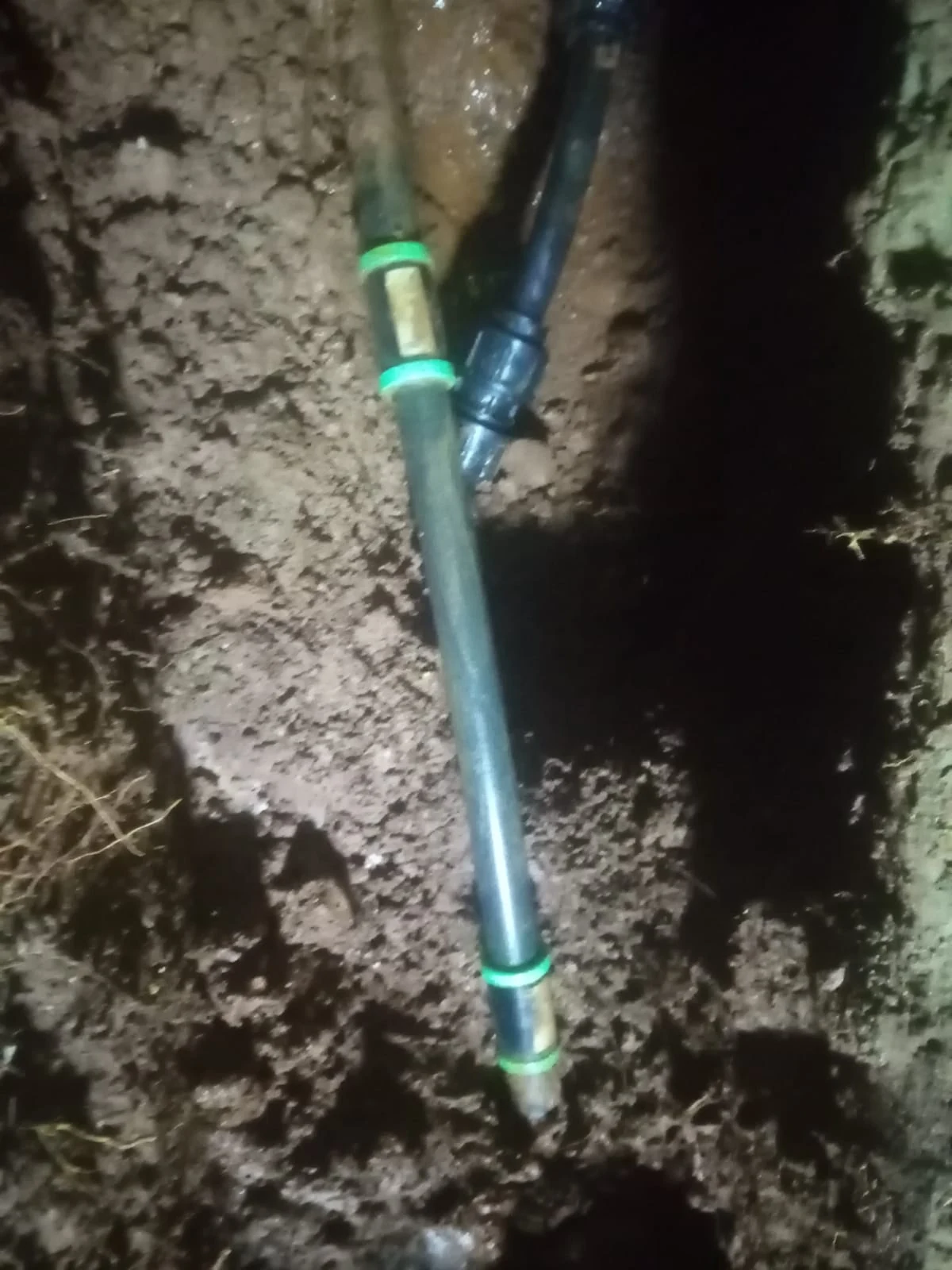
Underground water pipe exposed after professional leak detection
Once the likely position is confirmed, the pipe can be exposed for direct inspection and repair.
Controlled access point opened to repair a concealed water pipe leak
A targeted access point provides working room for repair while limiting damage to surrounding finishes.

Selecting the access route

We choose an opening that provides enough working room and limits damage to finishes. The strongest signal may not always be the best access point if the pipe can be reached more safely from an adjacent area.

The proposed opening and expected restoration are explained before work proceeds.

Repairing or rerouting the failed pipe

A local repair is suitable when surrounding material remains sound. Repeated leaks, corrosion or inaccessible routing may justify replacement or rerouting of a longer section.

Options are compared according to disruption, reliability and cost rather than defaulting automatically to the largest job.

Confirming that water loss has stopped

After repair, the system is refilled, purged and observed under pressure. Meter and isolation tests are repeated where useful.

If moisture remains visible, we distinguish retained dampness from an active plumbing leak and recommend a monitoring period when appropriate.

Care and long-term protection

Leak detection for different parts of a property

Water loss can occur in several systems, each requiring a different approach.

Underground supply pipes

Leaks between the meter and building may not show indoors. We inspect the route, valves, soil conditions and pressure behaviour before selecting detection methods.

Rerouting can sometimes be less disruptive than excavating beneath driveways or structures.

Leaks behind walls and below floors

Concealed hot and cold pipes can damage finishes and create mould. Moisture patterns, temperature differences and branch isolation help refine the likely area.

Access is planned with awareness of electrical services, waterproofing and structural elements.

Geyser, toilet and irrigation losses

A leaking overflow, faulty toilet valve or hidden irrigation fault can consume significant water while leaving little indoor evidence. These systems are inspected as part of a complete assessment.

Timers and automatic valves are considered because intermittent operation can hide a fault during a brief visit.

Clear answers before you decide

Questions customers ask about leak detection

Clear expectations help customers understand what the service can and cannot establish.

Can you guarantee an exact point?

Detection can often narrow the location substantially, but building construction, noise and pipe depth affect precision. Findings are presented with the evidence and practical access options.

Will you need to break tiles?

Only if the confirmed repair requires access through a tiled surface and no safer route exists. We first consider adjacent walls, ceilings or rerouting.

How should I prepare?

Stop unnecessary water use, gather recent accounts, note when symptoms occur and make meter, valves and affected areas accessible.

Is leak detection the same as repair?

They are related but separate stages. Detection identifies the likely source and informs the repair; the actual repair scope depends on what is found.

Find the source before damage spreads

Contact us when water use, pressure or dampness does not make sense. Our plumbers will investigate methodically, explain the findings and help you move from suspicion to a targeted repair.

Helpful plumbing guides

Learn more about Leak Detection

Explore practical guides related to leak detection, including warning signs, emergency steps, maintenance advice and information that can help you make a confident decision.

Explore all plumbing guides