Need plumbing help? Speak directly to our team 24/7.
Grey Water Plumbers
GREY WATER PLUMBING SOLUTIONS

Grey Water System Plumbing

A well-designed grey water system can help reuse suitable household water for gardens and other approved purposes. Our plumbers assess your property, plan safe pipe routing and install practical components that support reliable operation and responsible water use.

Free call-out feesFree quotes24/7/365 serviceSame-day service

Get help with grey water system plumbing

Send your details for a quick callback and practical next steps.

By submitting, you ask our plumbing team to contact you about this request. Do not include banking details or passwords.

Fast ResponseHelp when it matters most.
24
Available 24/7Day or night, we’re ready.
Trusted ApproachClear, honest and professional.
Planning insight

Planning a practical grey water plumbing system

A useful grey water system is not simply a collection of pipes. It must match the property, the available water sources, the garden demand and the way the household uses water every day. Our plumbers assess these details before recommending a route, helping clients avoid systems that are difficult to maintain or unsuitable for their property. Related professional help is available through Professional Geyser Repair for Reliable Hot Water.

Choosing suitable water sources

Grey water is commonly collected from baths, showers and selected basins. These sources can provide a dependable volume for garden irrigation when they are separated correctly from wastewater that should never be reused. We inspect the existing plumbing and explain which fixtures can be included safely and practically. For more background, read What are the dangers of standing water from leaks?.

Kitchen wastewater and toilet discharge require different handling because they may contain grease, food waste or harmful contaminants. A professional plan keeps unsuitable wastewater out of the grey water line and protects the rest of the drainage system from cross-connections. Related professional help is available through Water Saving Plumbing Fixtures South Africa: 2026 Guide.
Matching storage and irrigation to daily use

The amount of grey water available changes according to household size and routine. We consider the likely daily volume, where it can be used and whether direct diversion or short-term collection is more appropriate. This prevents oversized tanks, stagnant water and unnecessary installation cost. Related professional help is available through Water Pressure Problems Plumbing in South Africa.

Irrigation outlets must distribute water without creating pooling against walls, paving or foundations. The route, pipe sizes and discharge points are planned so water reaches suitable garden areas while remaining accessible for inspection and maintenance. Related professional help is available through Water Main Leaks.

Protecting the potable water supply

Any installation must keep reused water completely separate from drinking-water plumbing. Clear separation, correct valves and sensible labelling reduce the risk of accidental cross-connection and make the system easier for future plumbers to understand. For more background, read Saving water when you have a plumbing emergency.

Where municipal or stored clean water may supplement irrigation, suitable backflow protection and isolation are essential. We build the system so each water source remains controlled and identifiable. Related professional help is available through Saving water at home.

How the work unfolds

How professional grey water installation is completed

A reliable result depends on controlled routing, correct materials and careful testing. Our process is designed to minimise disruption while creating a system that can be understood, maintained and adapted later.

Surveying the existing plumbing

We trace the relevant waste pipes, identify practical connection points and inspect access around bathrooms, laundries and external walls. The survey also considers floor levels, gravity fall, pump requirements and the condition of existing drains.

Clients receive an explanation of what can be achieved with the current layout. Where a requested route would be unreliable or excessively invasive, we propose a more practical alternative rather than forcing an unsuitable design.

Installing accessible pipework and controls

New pipework is supported, sealed and routed to avoid unnecessary bends or hidden weak points. Isolation valves, filters and changeover controls are positioned where they can be reached without dismantling cupboards or breaking finishes.

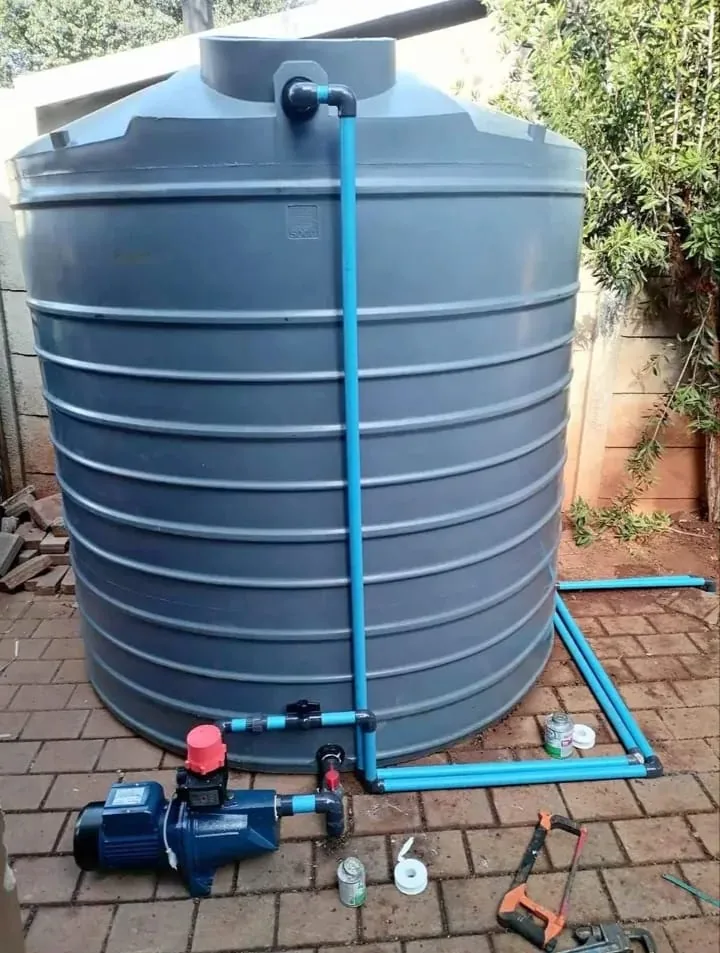
If pumping is required, the pump is matched to the expected flow and delivery distance. Electrical connections and weather protection must also be appropriate for the installation environment.

Testing flow and final discharge

Before handover, we run the connected fixtures and observe how the system behaves under realistic flow. Joints, filters, valves and irrigation outlets are checked for leakage, restriction and uneven distribution.

We also confirm that excess water has a safe route when the garden does not require irrigation. An overflow or bypass should protect the property rather than allowing water to back up into the home.

Faults and practical solutions

Common grey water problems and repairs

Existing systems often fail because of blocked filters, poor falls, incorrect pump selection or uncontrolled discharge. A focused inspection can usually identify whether the fault is localised or whether the system needs redesign.

Slow flow, odours or backups

Soap residue, lint and hair can accumulate in filters and narrow sections of pipe. We inspect the collection route and clear restrictions without pushing debris into a more difficult part of the system.

Persistent odours may indicate stagnant storage, trapped waste or incorrect venting. The solution should remove the cause rather than merely masking the smell.

Pump cycling or no delivery

A pump that starts repeatedly, runs dry or fails to deliver may have a blocked inlet, faulty level control, air leak or unsuitable duty rating. We test the complete pumping arrangement before recommending replacement.

Where the pump is serviceable, a targeted repair may restore dependable operation. Where the design is fundamentally unsuitable, we explain the limitations and provide a clear upgrade path.

Water pooling in the garden

Pooling can damage plants, create slippery areas and direct moisture toward buildings. We check outlet placement, soil absorption and the balance between available water and irrigation demand.

Distribution can often be improved by dividing the discharge, relocating outlets or adding controlled zones. The aim is useful irrigation, not simply moving water outside.

Care and long-term protection

Maintaining a hygienic and dependable system

Simple maintenance helps a grey water system remain useful. The correct routine depends on whether the installation diverts water directly, stores it briefly or uses pumps and filters.

Clean filters before flow is restricted

Filters should be checked at intervals suited to household use. Waiting until the system backs up can place unnecessary pressure on fittings and allow wastewater to escape at the wrong point.

A removable and accessible filter makes maintenance far easier. During installation or repair, we look for ways to reduce complicated cleaning procedures.

Use household products thoughtfully

Large quantities of harsh chemicals, bleach, grease or solids can affect plants and the plumbing system. Clients should understand which fixtures feed the grey water line and use products that suit the intended reuse.

The system should also be bypassed when unsuitable water is being discharged. Clear controls allow the household to do this without confusion.

Inspect after alterations or landscaping

Bathroom renovations, new appliances and garden changes can alter flow patterns. A quick inspection after major work helps confirm that pipes have not been disconnected, crushed or redirected incorrectly.

Visible outlets and access points should remain reachable after paving or landscaping. This avoids expensive excavation when maintenance is eventually required.

Clear answers before you decide

Questions customers ask about grey water plumbing

These answers cover the practical issues customers usually want clarified before committing to installation or repair.

Can every property use grey water?

Many properties can reuse some household water, but the best design depends on plumbing access, garden layout, ground levels and local requirements. An inspection is the safest way to determine what is practical.

Does grey water need a tank?

Not always. Direct diversion can be simpler where water is used immediately, while some properties benefit from controlled short-term collection. Long storage without treatment is generally undesirable.

Can an existing system be improved?

Yes. Filters, controls, distribution and pipe routing can often be upgraded. We first identify whether the current installation has a repairable fault or a design limitation.

How do I arrange an assessment?

Tell us which fixtures you want to connect, how the garden is laid out and what problems you are currently experiencing. We can then plan the most useful inspection.

Make better use of household water

Speak to our grey water plumbers about a practical installation, repair or improvement. We will assess the property, explain the options clearly and help you create a system that is reliable, maintainable and suited to everyday use.

Helpful plumbing guides

Learn more about Grey Water System Plumbing

Explore practical guides related to grey water system plumbing, including warning signs, emergency steps, maintenance advice and information that can help you make a confident decision.

Explore all plumbing guides