
Need plumbing help? Speak directly to our team 24/7.
Damp Proof
TRACE MOISTURE PROBLEMS TO THEIR TRUE SOURCE

Damp Proofing and Plumbing Moisture Solutions

Damp walls and recurring moisture can be caused by leaking pipes, failed seals, drainage problems or water entering the structure. We help identify the source and recommend practical corrective work before cosmetic repairs begin.

Free call-out feesFree quotes24/7/365 serviceSame-day service

Get help with damp proofing and plumbing moisture solutions

Send your details for a quick callback and practical next steps.

By submitting, you ask our plumbing team to contact you about this request. Do not include banking details or passwords.

Fast ResponseHelp when it matters most.
24
Available 24/7Day or night, we’re ready.
Trusted ApproachClear, honest and professional.
Understanding the problem

Professional Damp Assessment and Plumbing Investigation

Damp marks on walls, ceilings or floors are not a diagnosis on their own. Moisture can come from leaking water pipes, failed waste connections, roof defects, rising damp, condensation or damaged waterproofing. Our plumbers begin by tracing the likely source so that the correct trade and repair method can be selected before unnecessary building work starts. Related professional help is available through Toilet Not Flushing Properly in South Africa: Causes & Solutions.

What this means in practice

Where plumbing is involved, we inspect visible fittings, concealed supply lines, drainage routes, bathrooms, kitchens and geyser connections. Meter checks, isolation tests and pressure testing may be used to establish whether water is escaping from a pressurised line. This approach helps distinguish an active plumbing leak from moisture that is entering through the building envelope. Related professional help is available through Sewage Backup in House Causes Solutions Explained.
Why early attention matters

Our objective is to give the property owner a clear, practical next step. We explain what has been confirmed, what remains uncertain and whether plumbing repairs, waterproofing work or further specialist investigation is required. Related professional help is available through Professional Plumbing Services.

Warning signs worth noticing

Common Signs of Damp That Should Not Be Ignored

Damp often develops gradually, which makes it easy to postpone. Peeling paint, bubbling plaster, musty smells, dark staining, swollen skirting and recurring mould indicate that moisture is remaining where it should not. Early investigation can limit damage to finishes, timber, cupboards and electrical components. Related professional help is available through Professional Geyser Repair for Reliable Hot Water.

What this means in practice

The location and timing of the mark provide useful clues. Moisture that appears after rain points in a different direction from a stain that grows when a bathroom is used or when the geyser reheats. A patch near floor level may suggest a different cause from active dripping beneath a ceiling. Related professional help is available through Plumbing services for urgent faults and planned work.

Why early attention matters

Repainting over a damp area can temporarily hide the symptom, but it does not stop the moisture. The source should be corrected and the affected materials allowed to dry before final finishing work is completed. Related professional help is available through Leak Detection.

Peeling Paint and Soft Plaster

Repeated moisture weakens coatings and plaster, causing surfaces to bubble, powder or detach. Related professional help is available through Emergency Plumbers Near Me.

Musty Odours and Mould Growth

Persistent odours often indicate moisture trapped in cavities, cupboards or porous materials.

Swollen Timber and Damaged Flooring

Skirting, laminate, cabinetry and door frames can distort when they absorb water over time.

How the cause is confirmed

How Plumbing Leaks Create Damp Problems

A slow leak from a concealed pipe can release water continuously without creating an obvious flood. The moisture may travel along masonry, pipe chases or floor slabs before becoming visible. This is why the wettest point is not always directly beside the damaged pipe.

What this means in practice

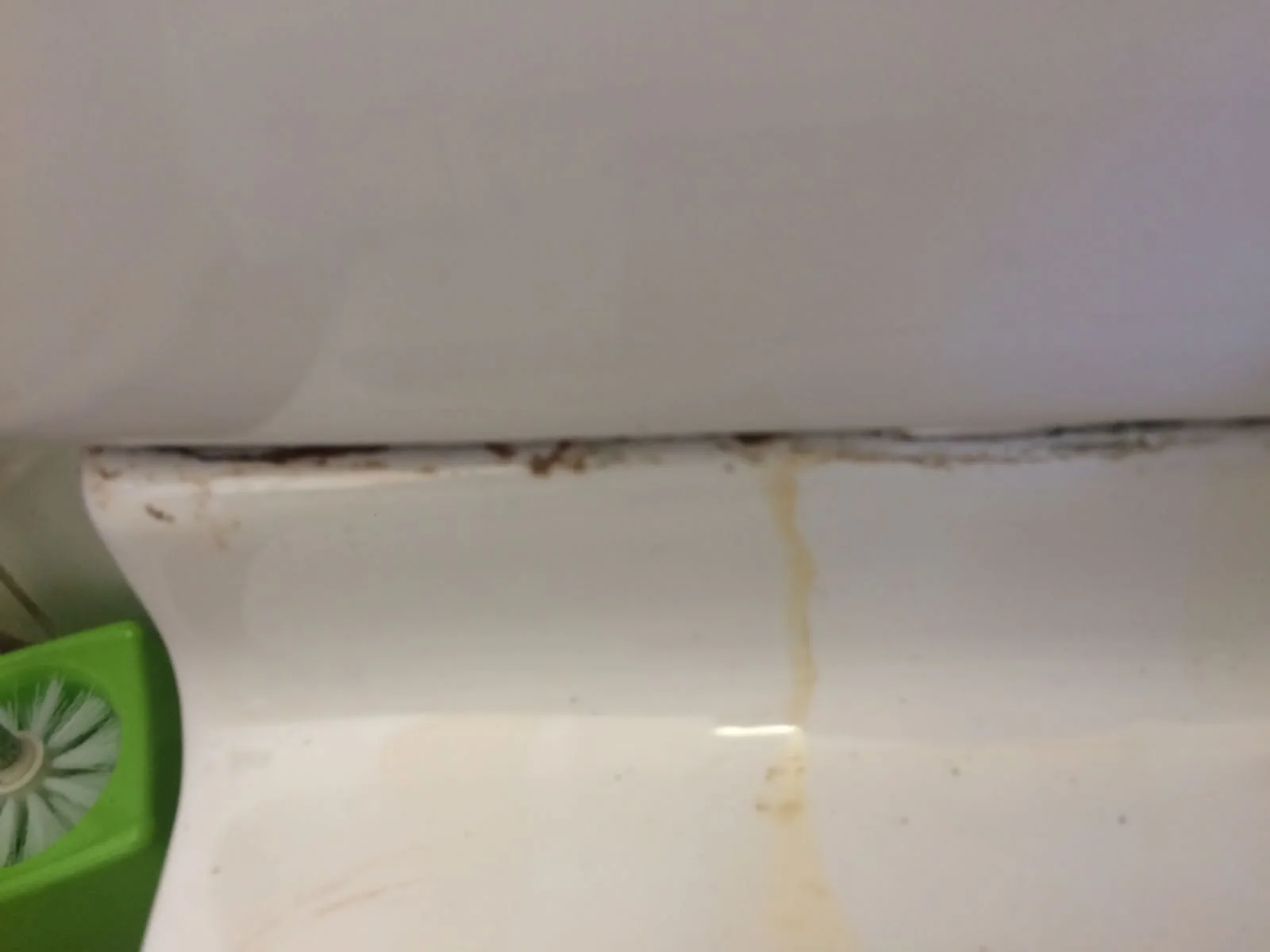
Bathroom and kitchen damp may also come from leaking traps, waste fittings, toilet connections, shower mixers, bath overflows or failed seals. These leaks can appear only when a fixture is used, making them difficult to identify during a quick visual check.

Why early attention matters

Hot-water leaks can create warm patches, increased geyser operation and higher electricity use. Cold-water leaks may show more clearly through continuous water-meter movement when all fixtures are closed.

Concealed Supply-Pipe Leaks

Pressurised pipes can leak continuously and spread moisture through walls or slabs.

Waste and Drainage Leaks

Waste fittings often leak only while water is flowing through a basin, bath, shower or appliance.

Geyser and Hot-Water Connections

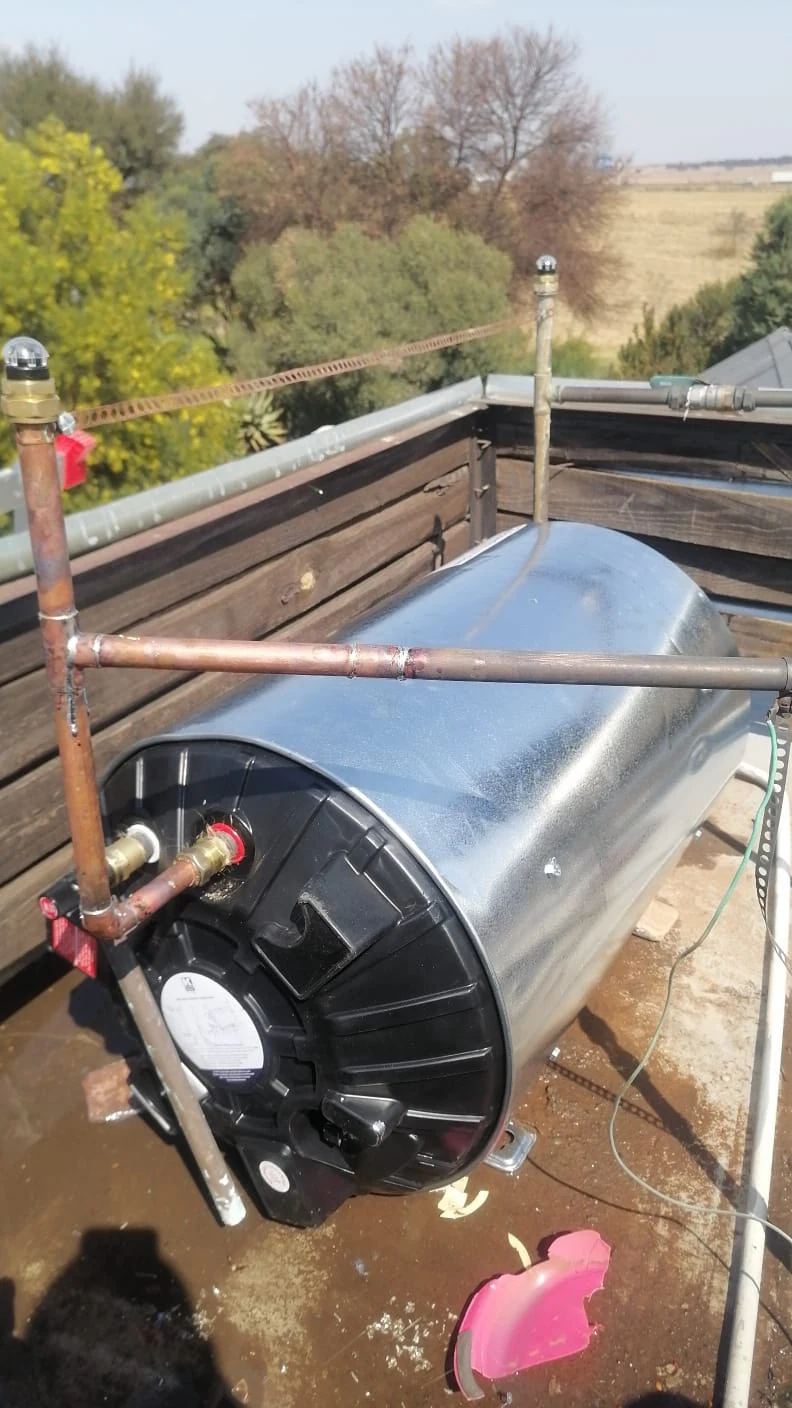
Valves, overflow pipes and hot-water lines can create damp in ceilings, cupboards and service areas.

Repair and replacement choices

Our Damp Investigation Process

We begin with the history of the problem: when it started, whether it changes after rain, which fixtures are nearby and whether water bills have increased. The affected area is then inspected together with accessible plumbing, valves, drains and the water meter.

What this means in practice

Where necessary, sections of the plumbing system are isolated and tested. Pressure loss can indicate a leak in a closed supply line, while controlled fixture testing can reveal waste or seal failures. The purpose is to narrow the source before recommending access or repair.

Why early attention matters

Not every damp problem can be confirmed without opening a small area, but controlled testing reduces guesswork. We explain where access is justified and why, so customers understand the decision before finishes are disturbed.

Visual and Moisture Pattern Assessment

The shape, height and spread of damp can help identify possible water routes.

Meter and Pressure Testing

These checks help determine whether the plumbing system is losing water while fixtures are closed.

Controlled Fixture Testing

Baths, showers, toilets and basins can be tested individually to reproduce use-related leaks.

What professional work involves

Damp-Proofing Versus Plumbing Repair

Damp-proofing products cannot repair a leaking pipe, and plumbing repairs cannot correct rising damp or failed external waterproofing. The correct solution depends on the source. Applying a coating to an actively wet wall may trap moisture and cause the finish to fail again.

What this means in practice

When a pipe or fitting is responsible, the leak should be repaired and the area monitored. Once the structure has dried sufficiently, plastering, painting or other reinstatement can be completed. Where the plumbing tests sound, a waterproofing or building specialist may need to investigate further.

Why early attention matters

We avoid presenting every damp complaint as a plumbing fault. Honest diagnosis protects the customer from paying for work that will not solve the problem.

When a Plumber Is the Right First Call

Water-meter movement, nearby fixtures, hot spots or damp that changes with water use can point toward plumbing.

When Waterproofing Expertise Is Needed

Moisture linked to rain, ground contact or failed membranes may require a building-envelope specialist.

Preventing repeat damage

Repairing Plumbing-Related Damp at the Source

Once the fault is identified, the damaged pipe, fitting, valve or waste connection is exposed and repaired. The method depends on pipe material, access and the condition of surrounding components. A local repair may be suitable for isolated damage, while ageing pipework may justify replacement or rerouting.

What this means in practice

After the repair, the system is retested before walls, ceilings or floors are closed. This verification step is essential because restoring finishes too soon can hide a remaining leak and make future access more expensive.

Why early attention matters

Drying takes time. Fans, ventilation and dehumidification may help, but saturated plaster, screed, timber or insulation can remain damp long after the water has stopped. Final cosmetic repairs should follow only when the substrate is ready.

Targeted Pipe and Fitting Repairs

Controlled access allows the failed component to be replaced without opening more of the structure than necessary.

Testing Before Reinstatement

The repaired section should hold pressure and remain dry before permanent closure.

Drying and Restoration Planning

Finishes should be reinstated only after retained moisture has reduced sufficiently.

Long-term value and confidence

Preventing Future Damp Around Plumbing Fixtures

Regular inspection of flexible connectors, traps, silicone seals, toilet connections and geyser valves can identify small leaks before they spread. Cupboards below basins and sinks should be checked periodically because slow drips may remain hidden behind stored items.

What this means in practice

Bathrooms require both sound plumbing and effective waterproofing. Cracked grout or silicone does not always prove that the waterproofing membrane has failed, but damaged seals should be repaired promptly to reduce water entry at vulnerable junctions.

Why early attention matters

Water bills should also be compared over time. An unexplained increase, especially with meter movement during periods of no use, justifies a plumbing assessment even when no damp is yet visible.

Inspect Flexible Connections and Traps

Small leaks from accessible fittings are often inexpensive to correct when found early.

Monitor Water Use

Unexpected consumption can reveal a hidden leak before severe surface damage appears.

Maintain Bathroom Seals

Sound seals reduce water entry around baths, showers and basins, although they do not replace proper waterproofing.

Questions homeowners ask

Frequently Asked Questions About Damp and Plumbing

Damp complaints can have several causes, so these answers explain how a plumbing investigation fits into the wider repair process.

Can a plumber fix rising damp?

No. Rising damp is a building and moisture-barrier problem. A plumber can test whether leaking water services are contributing to the symptoms.

Why does a damp patch return after painting?

The moisture source may still be active, or the wall may not have dried before repainting.

Can leak detection avoid all breaking?

It can narrow the likely source, but the failed pipe or fitting normally still requires controlled access for repair.

How long should a wall dry after a leak?

Drying time depends on the material, thickness, ventilation and volume of water. Saturated structures may take weeks rather than days.

Should I call a plumber or waterproofing contractor first?

Choose based on the pattern. Water-meter movement or fixture-related damp suggests plumbing; rain-related damp suggests waterproofing or roofing.

Book a Damp and Plumbing Assessment

Contact our plumbers when damp, mould, peeling paint or unexplained moisture may be linked to leaking pipes, fixtures or drainage. We will investigate the plumbing contribution and explain the most appropriate next step.

Helpful plumbing guides

Learn more about Damp Proofing and Plumbing Moisture Solutions

Explore practical guides related to damp proofing and plumbing moisture solutions, including warning signs, emergency steps, maintenance advice and information that can help you make a confident decision.

Explore all plumbing guides