Need plumbing help? Speak directly to our team 24/7.
Geyser Repair
GEYSER FAULT DIAGNOSIS AND REPAIR

Professional Geyser Repair for Reliable Hot Water

Geyser faults should be diagnosed before parts are replaced. We inspect the symptoms, check the accessible installation and explain whether a focused repair can restore reliable hot water or whether replacement would provide safer long-term value.

Free call-out feesFree quotes24/7/365 serviceSame-day service

Get help with professional geyser repair for reliable hot water

Send your details for a quick callback and practical next steps.

By submitting, you ask our plumbing team to contact you about this request. Do not include banking details or passwords.

Fast ResponseHelp when it matters most.
24
Available 24/7Day or night, we’re ready.
Trusted ApproachClear, honest and professional.
COMMON GEYSER FAULTS

Problems that may be suitable for geyser repair

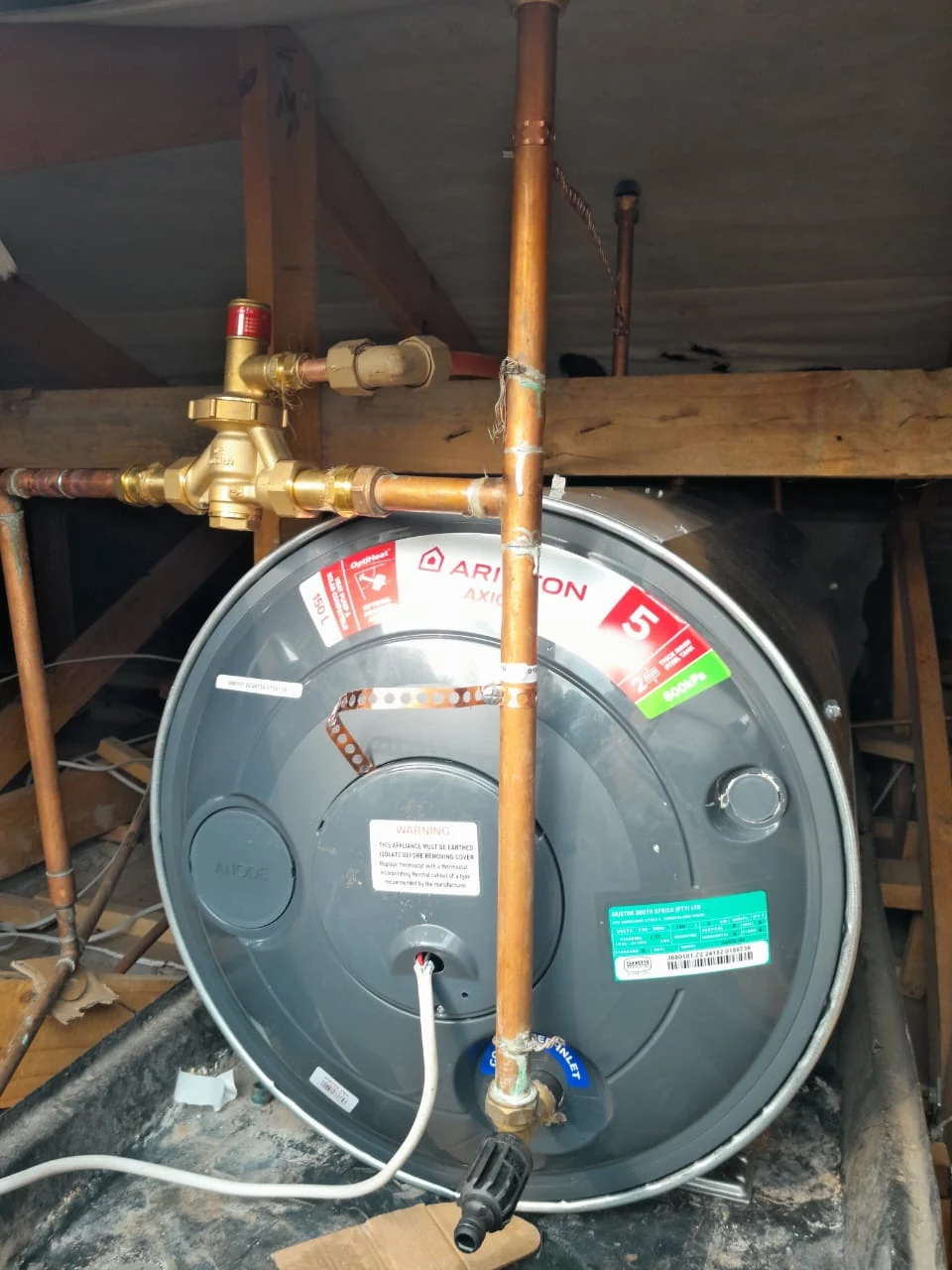
Many geyser problems are caused by components around the cylinder rather than the cylinder itself. Accurate diagnosis protects the customer from unnecessary replacement and helps ensure that the selected repair addresses the real cause. For more background, read Hot Water Shortage Diagnosis: Fix Steps for Geyser Faults.

Geyser not heating

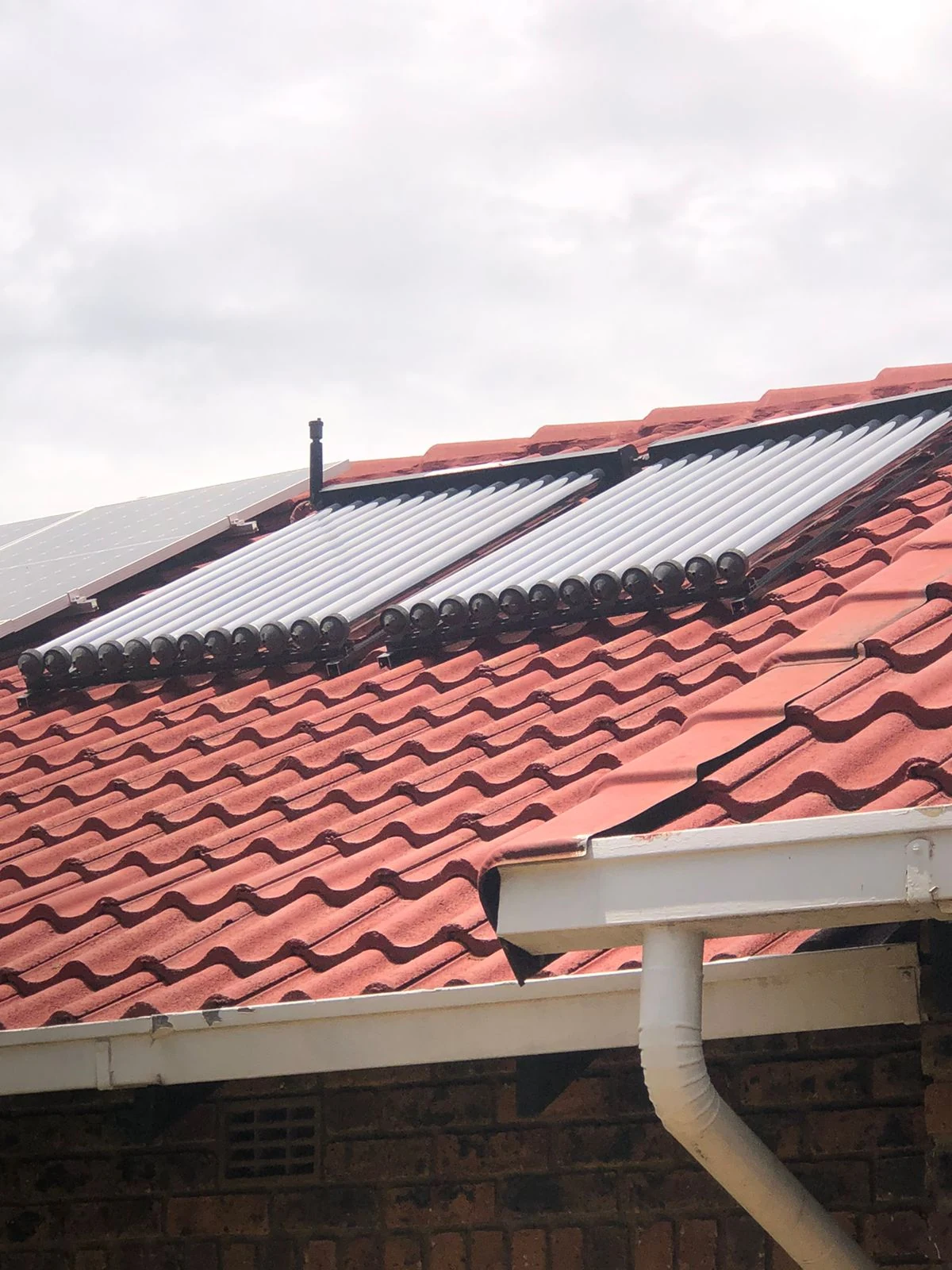
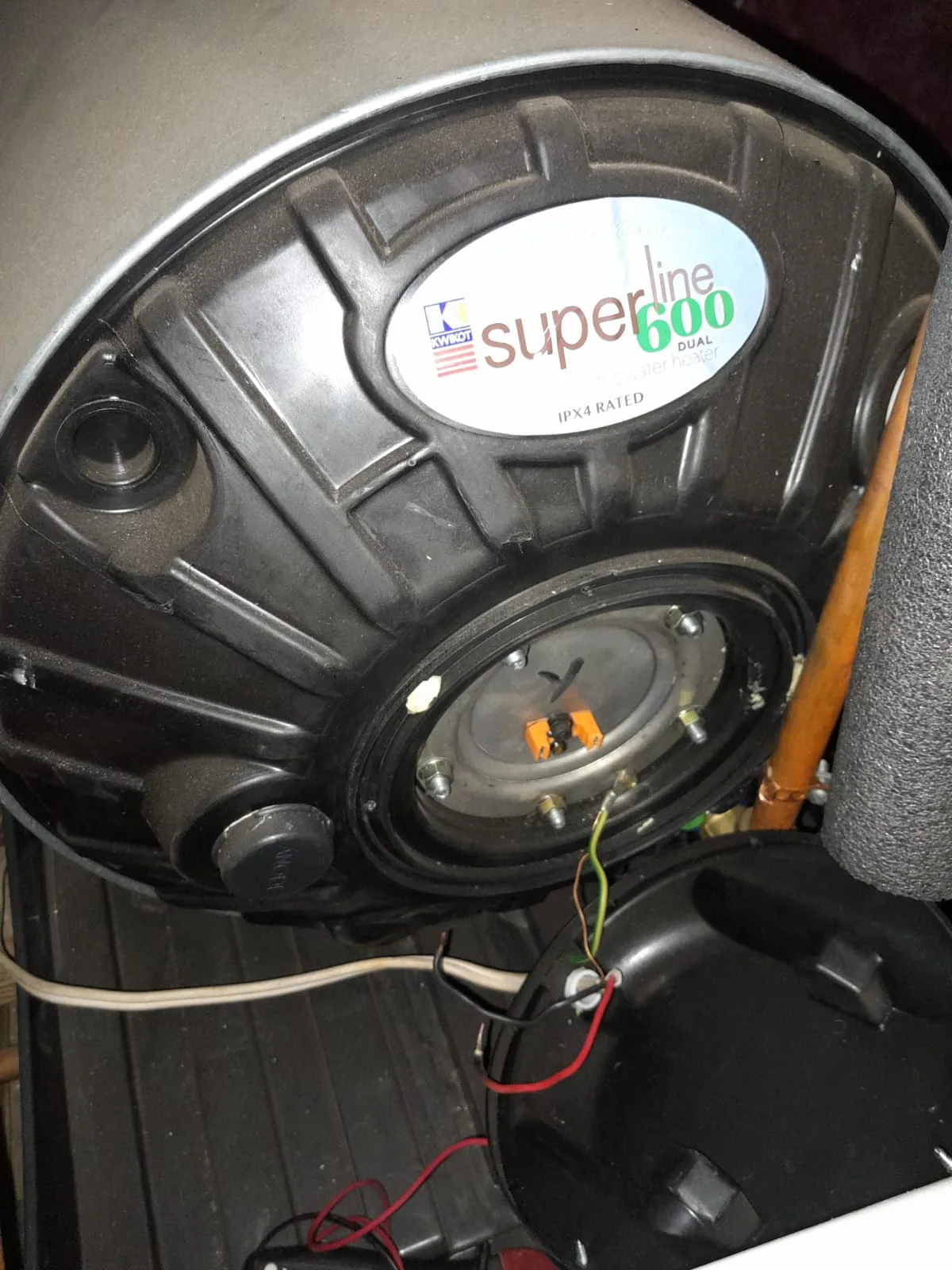
No hot water may be caused by an element, thermostat, electrical supply issue, wiring fault or control problem. The correct approach is to test the system safely instead of replacing the first suspected component. Related professional help is available through Solar Geyser Repairs Near Me.

Where electrical work falls outside plumbing scope, the customer should be told clearly so the correct trade can be involved. Related professional help is available through Safe and Reliable Geyser Installation.
Water temperature is unreliable

Water that is too cold, excessively hot or inconsistent may indicate thermostat trouble, element performance problems, mixing, demand issues or a system that is not recovering as expected. Related professional help is available through Reliable Geyser Repairs Near You.

We consider the pattern of the fault, not only the temperature at one tap, because household usage and pipe distance can influence what the customer experiences. Related professional help is available through Geyser Leaking From Pressure Relief Valve: Diagnosis & Repair.

Leaks from valves or connections

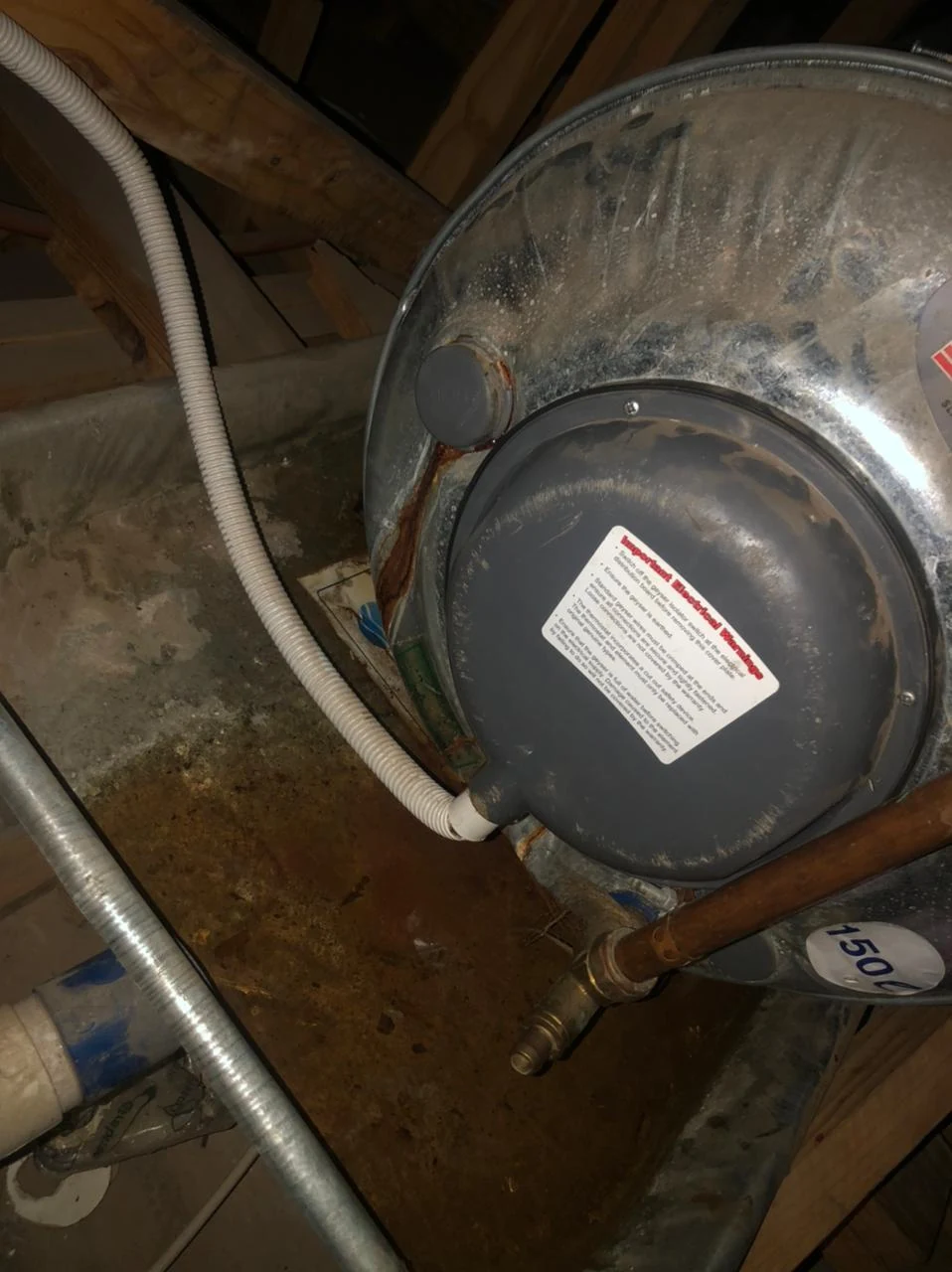
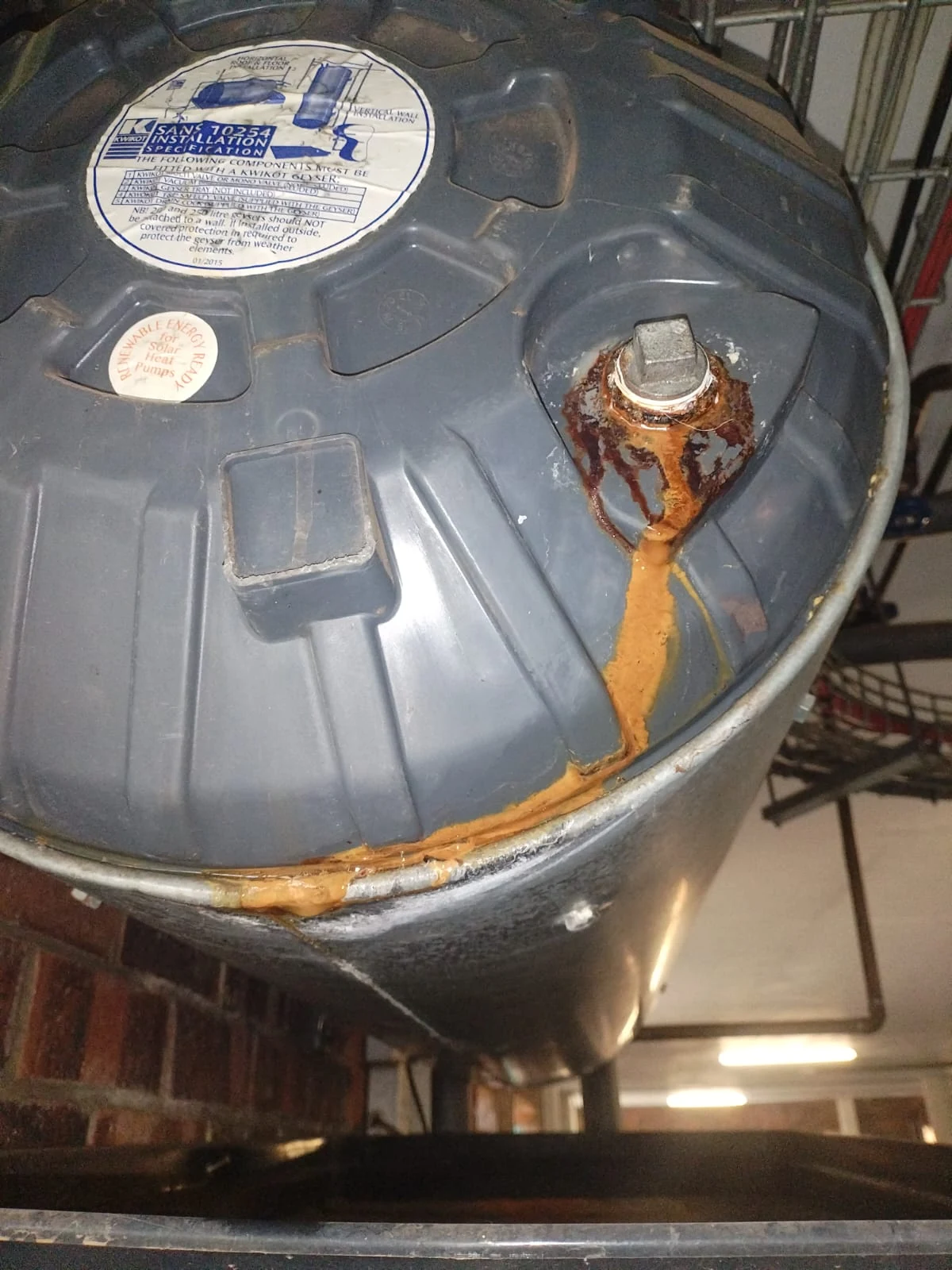
A leak near a geyser may come from a valve, union, pipe, overflow arrangement or failed seal. These faults can often be repaired when the cylinder is still sound. You can also review our local coverage for Water Leak Detection and Repair in Gauteng.

The surrounding installation is inspected for corrosion, strain and signs that pressure or movement contributed to the failure. You can also review our local coverage for Plumber in Northdene with clear fault finding and repair guidance — with professional workmanship..

SAFE DIAGNOSIS

Why proper testing matters before any repair

A geyser combines stored hot water, pressure and electricity. Guesswork can waste money and may leave an unsafe condition unresolved. Diagnosis should be systematic and proportionate to the visible problem.

Start with the symptom and history

We ask when the fault began, whether it is constant or intermittent, what changed before the problem and whether previous repairs were completed. This history often narrows the likely causes.

Customers can help by noting whether the problem affects all hot taps, whether water pressure has changed and whether the distribution board has tripped.

Inspect related components

The cylinder cannot be considered in isolation. Valves, pressure controls, discharge pipes, connections, supports and accessible electrical parts all influence geyser performance and safety.

A fault in one component may create a symptom elsewhere, which is why the complete accessible installation is reviewed.

Confirm the repair under operation

A repair is not complete merely because the leak has stopped while the system is cold. The geyser should be refilled, checked and observed as it returns to normal operating conditions.

This final stage helps reveal movement, seepage or abnormal discharge that may not appear immediately.

REPAIR DECISIONS

Balancing repair cost with long-term reliability

A good repair recommendation considers more than whether a part can technically be changed. The age and condition of the installation, previous failures, access difficulty and likely remaining service life all affect value.

Repairing a serviceable component

When the cylinder is sound and the defect is isolated, replacing the failed component may be the most economical option. The new component must be suitable for the system and installed without creating strain on adjacent pipes.

Customers should understand exactly which component is being replaced and why.

Recognising a failed cylinder

A cylinder leak, severe corrosion or structural failure normally points toward replacement rather than repair. Attempting to patch a failed pressure vessel is not a responsible long-term solution.

The surrounding cause should still be considered so the replacement is not exposed to the same poor support, pressure problem or installation defect.

Planning for an ageing geyser

An older geyser with several deteriorated components may remain repairable, but the combined cost of repeated call-outs can exceed the value of replacement. We discuss the practical options without forcing the customer toward the larger job.

The final decision should reflect safety, budget, expected reliability and the consequences of another failure in that location.

QUALITY REPAIR WORK

What careful geyser repair should include

The quality of a repair is determined by preparation, component suitability, workmanship and testing. Small shortcuts around a pressurised hot-water system can create repeated leaks and unnecessary disruption.

Safe isolation and controlled draining

Water and electricity are isolated appropriately before components are removed. Controlled draining reduces mess and protects ceilings, cupboards and floors around the work area.

Where the geyser is difficult to access, the plumber plans movement and drainage before beginning rather than improvising after the system is open.

Correct parts and secure connections

Replacement parts should suit the installation and be fitted according to their intended function. Threads, seals and pipe alignment are handled carefully so that the repair does not rely on excessive force.

Visible supports and connections are checked because vibration or unsupported pipework can shorten the life of a new component.

Clean handover and customer guidance

After testing, the work area is left orderly and the customer receives a plain-language explanation of the fault and repair.

We also point out any separate concern that was visible during the visit, distinguishing between urgent defects and future maintenance advice.

OUR REPAIR PROCESS

A disciplined route from fault report to tested repair

Customers do not need to identify the technical component. Clear symptoms and access details allow the plumber to begin with the right questions.

1. Report the symptomTell us whether the geyser is leaking, cold, noisy, tripping power or producing unusual discharge.
2. Make the area safeWhere appropriate and safe, isolate the geyser electricity and water, and keep people away from wet ceilings or electrical points.
3. Inspect and testThe plumber examines the cylinder and related components to identify the most likely cause.
4. Explain the optionsYou receive a clear recommendation for repair, further specialist testing or replacement.
5. Complete the approved repairThe failed component or connection is repaired using suitable materials and controlled methods.
6. Restore and verifyThe system is refilled, checked under operating conditions and explained before handover.
COMMON QUESTIONS

Questions customers ask about this geyser service

Is every geyser leak a burst geyser?

No. Water may escape from a valve, fitting, overflow, pipe connection or the cylinder itself. The source must be confirmed before deciding on repair or replacement.

Why does my geyser keep tripping the electricity?

Possible causes include a faulty element, thermostat, wiring issue or moisture. Because electricity and water are involved, the system should be isolated and tested by the appropriate qualified person.

Can an old geyser still be repaired?

Possibly, if the cylinder remains sound and the repair is economically sensible. Age, corrosion, repeated faults and access all influence the recommendation.

How long does a geyser repair take?

Time varies with the fault, access, draining requirements, parts and testing. A simple accessible component replacement is different from diagnosing an intermittent or concealed problem.

Will the hot water return immediately?

After the repair, the cylinder must refill and heat. The time depends on capacity, incoming water temperature, element size and electricity supply.

Can you repair a geyser in a cupboard or ceiling void?

Yes where safe access and working space are available. Restricted access may increase preparation time and should be mentioned when booking.

Geyser leaking, cold or behaving unpredictably?

Arrange a professional inspection so the fault can be confirmed and the most sensible repair or replacement option explained.

Helpful plumbing guides

Learn more about Professional Geyser Repair for Reliable Hot Water

Explore practical guides related to professional geyser repair for reliable hot water, including warning signs, emergency steps, maintenance advice and information that can help you make a confident decision.

Explore all plumbing guides