
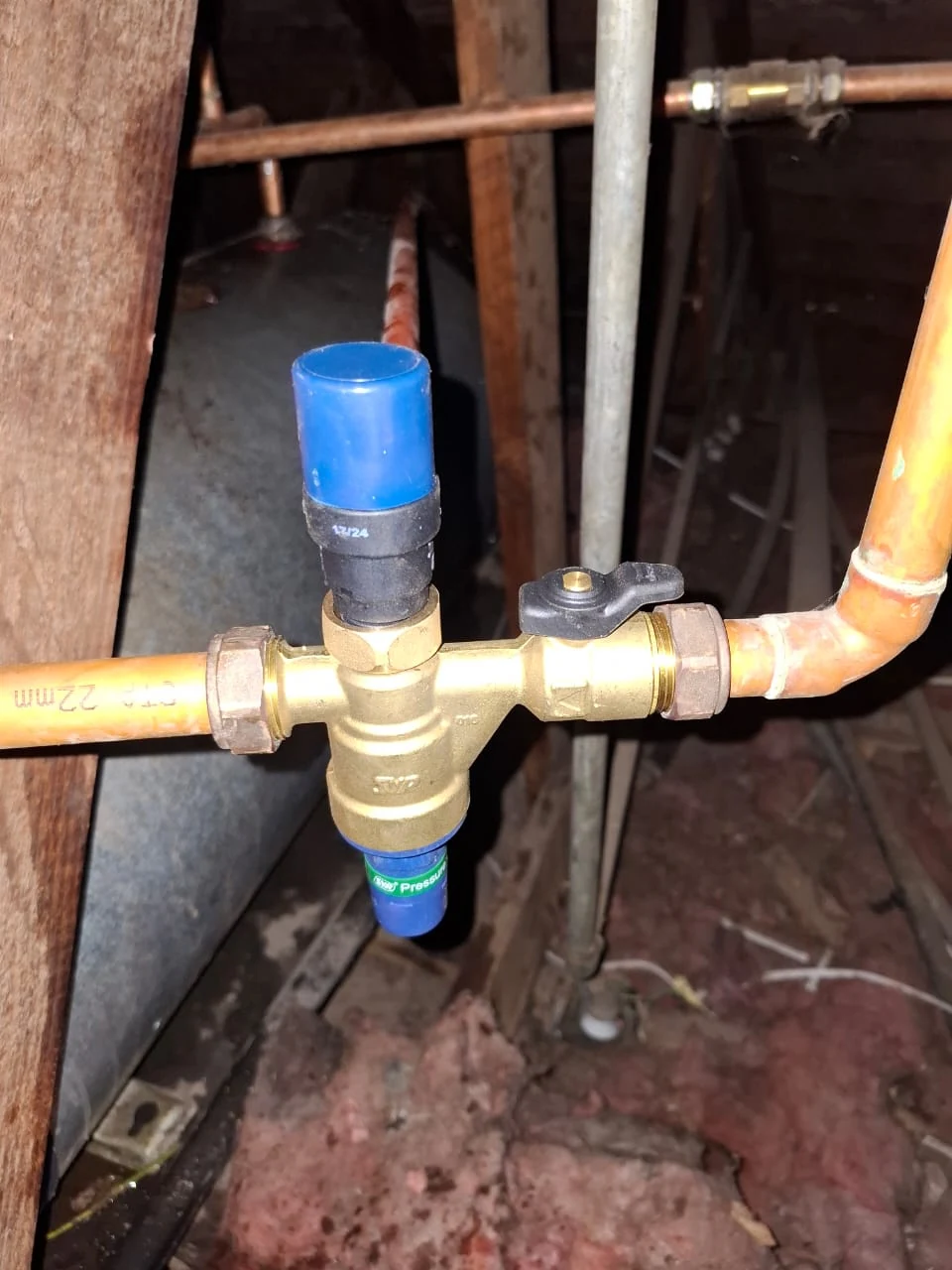
A geyser leaking from the pressure relief valve is one of the most common calls plumbers get across South Africa. Some dripping is normal. A steady stream is not. Knowing the difference can save you a burst geyser, a soaked ceiling, and a much bigger repair bill. Related professional help is available through Professional Geyser Repair for Reliable Hot Water.
This guide explains why a geyser pressure valve leaks, what South African safety rules say about it, and when the fix is a quick DIY check versus a job for a certified plumber. We’ll also cover realistic ZAR repair and replacement costs so you know what to expect before anyone arrives at your door. Related professional help is available through Solar Geyser Repairs Near Me.
Why Your Geyser’s Pressure Relief Valve Is Dripping or Leaking
The pressure relief valve, often called the T&P valve (temperature and pressure valve), is a safety device. It releases water automatically if pressure or temperature inside the geyser tank rises too high. Without it, a sealed tank of heated water has nowhere to vent. That’s how geysers burst. For more background, read Is a leaking geyser considered an emergency?.
So a small amount of dripping now and then is actually the valve doing its job. The problem is figuring out when normal drips have turned into a sign that something else is wrong. For more background, read Hot Water Shortage Diagnosis: Fix Steps for Geyser Faults.
Normal Drip vs Constant Stream: What’s the Difference
An occasional drop after the geyser heats up is usually fine. Water expands slightly as it warms, and the valve releases that small excess. Related professional help is available through Emergency Leaking Pipe Repair.
A constant stream, a drip that never stops, or water running steadily from the overflow pipe outside is different. That points to a real fault. It means the valve is either stuck open, worn out, or responding to pressure or temperature that’s consistently too high. You can also review our local coverage for Plumber in Elarduspark for a clear diagnosis before repair — with transparent communication..
Excess Pressure, High Temperature and Faulty Valves Explained
Three causes account for most cases of a geyser pressure relief valve dripping or leaking: You can also review our local coverage for Plumber in Elandsfontein for a clear diagnosis before repair — for immediate and scheduled visits..
- Municipal pressure spikes. Many South African suburbs see supply pressure that regularly exceeds the 400kPa design limit assumed for standard residential geysers. This happens especially at night, when household demand drops and pressure in the network climbs. It ties directly into wider municipal water pressure problems affecting geysers and other fittings in the same home.
- Thermostat or temperature faults. If the thermostat malfunctions and lets tank temperature climb above 60°C, the valve opens to release the excess heat and pressure. Field data from SA plumbing technicians shows most PRV drip callouts trace back to a thermostat fault, not a faulty valve at all.
- A worn, corroded, or faulty valve. Valves have a lifespan. Mineral deposits, corrosion, or a worn seal can make a valve leak even under normal pressure and temperature.
Diagnosis matters before you spend money. Replacing the valve itself is generally not a major expense on its own, but if the real problem is your thermostat or municipal pressure, replacing the valve alone won’t stop the leak. We cover typical cost ranges later in this guide.
Is a Leaking Pressure Relief Valve Dangerous? SANS 10254 Requirements Explained
A dripping valve is usually a minor nuisance. A continuously streaming one is a different story. It can mean your geyser is nearing pressure or temperature levels that risk a burst tank, scalding water, or damage to your ceiling and walls.
Treat a continuously streaming T&P valve as a safety event, not a maintenance nuisance. It’s often an early warning that the geyser is nearing unsafe operating conditions, not just a plumbing annoyance to put off.
What SANS 10254 Says About Geyser Safety Valves
SANS 10254 is the South African National Standard covering the installation, maintenance, and repair of fixed electric water heating systems, including geysers. It requires every geyser installation to include a working pressure relief valve, sized and installed correctly for the tank and system pressure.
The standard exists because unregulated pressure in a sealed hot water tank is genuinely dangerous. A compliant valve, correctly installed and maintained, is the main line of defence against a burst geyser. If you’re having a geyser installed or replaced, it’s worth understanding the full geyser installation requirements in South Africa that SANS 10254 sets out beyond just the valve itself.
Legal and Insurance Implications of Ignoring a Leak
Insurers in South Africa routinely ask about SANS compliance when assessing burst geyser claims. If a geyser wasn’t installed or maintained to SANS 10254 standards, and that non-compliance contributed to the failure, your claim can be reduced or rejected.
Ignoring a known leaking or streaming valve, then experiencing a burst geyser, is exactly the scenario insurers scrutinise. Getting a compliant valve repaired promptly isn’t just about water waste. It protects your claim if things go wrong later.
How to Diagnose Geyser Pressure Valve Leaks: A Step-by-Step Homeowner Checklist
Before calling anyone, a few safe checks can tell you a lot about what’s actually happening.
- Look at where the water is coming from. Is it dripping directly from the valve body, or running down the overflow pipe outside?
- Check how often it happens. Occasional drips after heating cycles are different from a constant trickle or stream.
- Note the water temperature. Scalding hot water from the overflow suggests a thermostat issue, not just a worn valve.
- Check for visible corrosion, rust, or mineral buildup around the valve itself.
None of this requires opening the geyser or touching electrics. It’s simply observation you can do from outside the house.
Checking the Overflow Pipe Outside
Most geysers vent excess water through an overflow pipe that runs outside the house, usually down an external wall. This is the first place to check.
A typical Johannesburg homeowner call-out involves a slow drip from this overflow pipe that only started after a municipal water pressure spike. If that matches what you’re seeing, the pressure valve is likely doing exactly what it’s designed to do, responding to a pressure problem upstream of the geyser itself.
Signs the Leak Is From the Top Fitting, Not the Valve
Not every case of a geyser leaking from the top is actually the valve. Loose top fittings, a corroded inlet or outlet connection, or a failing isolation valve can all mimic a PRV leak.
If water is pooling around the top of the tank rather than running down the dedicated overflow pipe, the fault may sit elsewhere. It’s worth ruling out other causes before assuming the pressure valve itself is at fault. This is part of the same broader process of diagnosing other geyser faults when symptoms overlap.
DIY Fix or Call a Plumber? Knowing the Limits
Some checks are safe for any homeowner. Others involve working on a pressurised, electrically connected hot water system, and that’s where the line for DIY should stop.
What’s Safe to Try Yourself
You can safely lift the test lever on the valve briefly, if it has one, to check it opens and closes cleanly without sticking. You can also visually inspect the valve and pipework for obvious corrosion or damage, and note down what you observe for a plumber.
What you shouldn’t do yourself: replace the valve, adjust the thermostat, or try to relieve tank pressure by disconnecting fittings. These jobs involve a pressurised system connected to your home’s electrics and hot water supply. Getting them wrong risks scalding, electric shock, or a burst tank.
Why Continuous Streaming Needs an Emergency Plumber
If your valve is streaming continuously rather than dripping occasionally, don’t wait for a scheduled appointment. Shut off the electrical isolator to the geyser if you can safely reach it, and call a plumber the same day.
This is exactly the kind of situation where knowing when to call an emergency plumber vs a DIY fix matters. A continuously streaming valve on a high-pressure suburb system is not a wait-and-see problem. Delaying action risks a tank failure.
Geyser Pressure Valve Replacement Cost vs Full Geyser Replacement in South Africa
Once you’ve confirmed the valve itself is the problem, cost becomes the next question. The good news: replacing a faulty pressure valve is far cheaper than replacing the whole geyser.
Typical Repair Cost Ranges in ZAR
A straightforward pressure relief valve replacement is a relatively small job in terms of parts and labour compared to a full geyser swap. On most service visits, replacing a faulty valve costs meaningfully less than a full geyser replacement. That’s exactly why proper diagnosis before replacement matters so much.
If the underlying cause is a thermostat fault or excess municipal pressure rather than the valve itself, you may need additional work, such as a thermostat replacement or a pressure-reducing valve installation, alongside it. This adds to the total, but each of these components is still far less expensive than replacing the entire unit.
When Replacement Makes More Financial Sense
Age and condition tip the decision. A newer geyser with an isolated valve fault is almost always worth repairing. An older geyser, especially one showing rust, corrosion, or repeated valve failures, is a different case.
If your geyser is approaching or past the end of its typical service life, and the tank itself shows signs of corrosion, a valve replacement is only a temporary patch. In that scenario, it’s worth reviewing the full geyser replacement cost guide to compare the numbers properly before committing to another repair.
Preventing Future Pressure Relief Valve Failures
A few habits go a long way toward avoiding repeat leaks and emergency callouts.
Test the valve’s lever periodically, following manufacturer guidance for your specific unit, to confirm it opens and closes freely rather than sticking shut. If your suburb has known high municipal pressure, especially overnight, installing a pressure-reducing valve on the incoming supply protects the geyser and the rest of your plumbing.
Have your thermostat checked during routine geyser servicing. Thermostat faults are behind a large share of valve drip calls, so catching this early prevents unnecessary valve wear and nuisance dripping.
If you’re dealing with a dripping, leaking, or streaming pressure valve right now, don’t guess at the cause. Book an assessment with a certified plumber to confirm whether it’s the valve, the thermostat, or supply pressure, and get it fixed before a small drip becomes a burst geyser. For ongoing peace of mind, keep the contact details of a reliable certified plumber on hand for next time.
Need professional plumbing assistance?
Speak directly to our team for practical advice, a free quotation and help arranging the right plumbing service.