
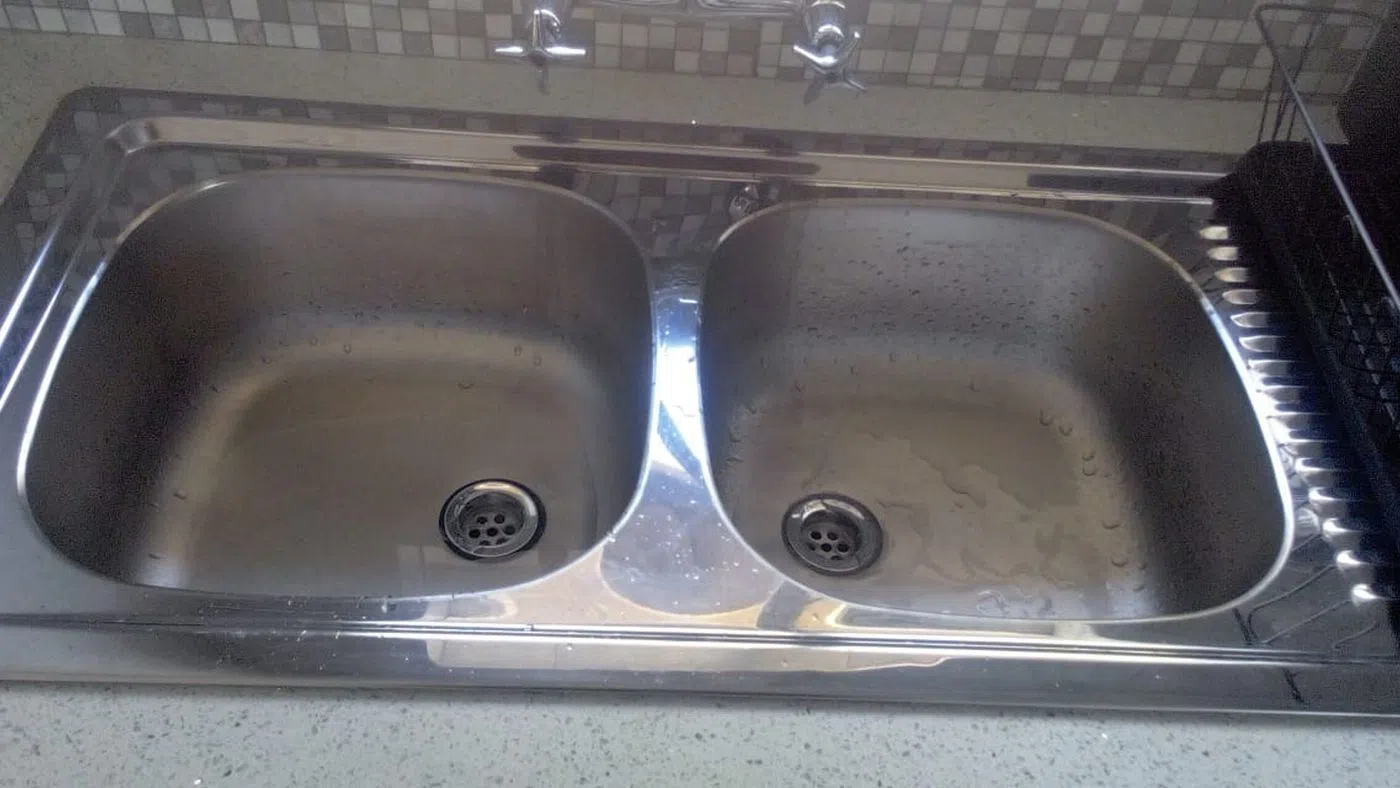
Recognising the Common Signs of Hidden Pipe Leaks
Hidden pipe leaks can continue behind walls, beneath floors or underground long before water becomes visible. Early warning signs are often subtle: a higher water bill, damp smell, peeling paint, warm floor patch, low pressure or the sound of running water when every tap is closed. Related professional help is available through Hidden Pipe Leaks.
What this means in practice
No single symptom proves that a concealed pipe has failed. Moisture may also come from waterproofing, roof leaks, drainage faults or condensation. Our plumbers compare the evidence, test the water system and narrow the source before recommending access or repairs. For more background, read Detecting Hidden Pipe Leaks.
Why early attention matters
Prompt investigation protects finishes and can reduce the amount of breaking required. The longer water travels through building materials, the more difficult and expensive the damage may become. Related professional help is available through Water Main Leaks.
Unexpected Water Bills and Meter Movement
A sudden increase in consumption without a change in household use is one of the strongest signs of a hidden supply leak. The water meter may continue moving even when taps, toilets, appliances and irrigation are off. Related professional help is available through Video Camera Pipe and Drain Inspections.
What this means in practice
A meter test should be carried out carefully because toilets, geyser valves, garden systems and automatic appliances can use water without being obvious. We isolate likely sections and compare readings to determine whether the loss is inside the building, outside or linked to a fixture. Related professional help is available through Emergency Leaking Pipe Repair.
Why early attention matters
Billing anomalies can occur, but physical testing is the reliable way to confirm whether water is escaping from the plumbing system. Related professional help is available through Emergency Burst Pipe Repair.
How to Perform a Basic Meter Check
Turn off all known water users, record the meter reading and observe whether it changes over a suitable period. Related professional help is available through Concrete Pipe Replacement Old House: 2026 Guide.
Do Not Forget Toilets and Irrigation
A leaking cistern or automatic garden valve can imitate a concealed pipe leak and should be ruled out.
Damp Patches, Stains and Damaged Finishes
Brown ceiling marks, bubbling paint, swollen skirting, loose tiles and persistent damp patches show that moisture is present, but the visible mark may be far from the source. Water follows pipes, joints, gravity and building cavities before emerging.
What this means in practice
We inspect both plumbing and surrounding conditions. A stain below a bathroom may originate from a supply pipe, bath waste, shower seal, toilet connection or waterproofing failure. Accurate diagnosis prevents opening the wrong area.
Why early attention matters
Photographs and moisture patterns help track changes over time. Rapid expansion of the affected area or active dripping requires urgent isolation and inspection.
Walls and Ceilings
Discolouration, soft plaster and peeling coatings can indicate water travelling through concealed cavities.
Floors and Cupboards
Swollen laminate, lifting tiles or damp cabinetry may point to leaks beneath fixtures or embedded pipes.
Mould and Musty Odours
Persistent moisture encourages microbial growth even when the surface appears dry.
Warm Floors, Hot Spots and Geyser-Related Leaks
A warm or unusually damp area on a floor can indicate a leaking hot-water pipe below the surface. Heat may spread beyond the actual break, so the warmest point is not always the exact repair location.
What this means in practice
Hot-water losses can also cause the geyser to reheat more frequently, increasing electricity consumption. A pressure or relief valve that discharges continuously may create a separate but equally costly water loss.
Why early attention matters
We compare temperature, meter behaviour and hot-water system operation before recommending access. Electrical safety and the condition of the geyser installation are considered where moisture has entered roof or service areas.
Frequent Geyser Reheating
Continuous replacement of lost hot water can keep the element operating longer than normal.
Warm Areas Under Tiles or Concrete
Temperature differences can help identify the route of a leaking hot-water line, but further confirmation is still required.
How Professional Leak Detection Narrows the Source
Leak detection combines observation, isolation and testing. The plumber reviews water use, inspects fixtures and valves, checks meter movement and isolates branches where possible. Pressure testing can confirm whether a closed section is losing water.
What this means in practice
Specialised acoustic, thermal or tracer methods may assist in suitable conditions, but no device replaces practical plumbing knowledge. Building materials, background noise, pipe depth and water pressure can affect results.
Why early attention matters
The purpose is to define the smallest reasonable access area and avoid unnecessary demolition. We explain the level of certainty and the repair approach before opening finished surfaces.
Isolation and Pressure Testing
Separating hot, cold, indoor and outdoor sections helps reduce the search area.
Acoustic and Thermal Clues
Sound and temperature differences may support the diagnosis when conditions allow.
Controlled Access for Final Confirmation
The pipe must ultimately be exposed where repair is required, but testing helps keep that access focused.
Repairing a Hidden Pipe Leak
Once the leak is located, the damaged pipe section, joint or fitting is exposed and assessed. The repair method depends on pipe material, accessibility, surrounding condition and whether the line has failed in more than one place.
What this means in practice
A local repair may be suitable for isolated damage. Ageing, corroded or repeatedly failing pipework may justify rerouting or replacing a longer section rather than patching one point. We discuss these options honestly before proceeding.
Why early attention matters
After repair, the system is pressure tested and monitored. Building surfaces should be allowed to dry before final painting, tiling or cupboard repairs so trapped moisture is not sealed in.
Local Repair or Pipe Rerouting?
The condition of the remaining pipe determines whether a small repair or more extensive solution offers better value.
Testing Before Reinstatement
The repaired line is checked before walls, floors or ceilings are permanently closed.
Drying and Secondary Repairs
Plaster, timber and flooring may need drying or specialist restoration after the plumbing repair is complete.
What You Can Do Before the Plumber Arrives
If water is actively damaging the property, shut off the nearest suitable isolation valve or the main supply. Switch off electricity to wet areas only when this can be done safely from a dry distribution board.
What this means in practice
Avoid cutting into walls or floors based only on the visible damp patch. This can damage pipes and finishes without exposing the source. Record meter readings, photograph changes and note which fixtures or times make the symptoms worse.
Why early attention matters
Clear access to the meter, geyser, valves and affected rooms. This information helps the plumber begin testing efficiently.
When to Shut Off the Main Water
Active dripping, a rapidly spreading stain or continuous meter movement may justify isolation until assistance arrives.
Information That Helps the Diagnosis
Water-bill history, recent renovations, pipe routes and the timing of symptoms can all provide useful clues.
Frequently Asked Questions About Hidden Pipe Leaks
Hidden leaks differ from property to property, but these answers address the questions homeowners ask most often.
Can a hidden leak occur without visible damp?
Yes. Underground or well-contained leaks may show first through meter movement, high bills, pressure changes or increased geyser heating.
Does a damp wall always mean a water pipe is leaking?
No. Roofs, waterproofing, drainage and condensation can create similar symptoms, so the source should be tested.
Will leak detection avoid all breaking?
It can reduce unnecessary access, but the damaged pipe normally must be exposed for repair.
Can an insurer pay for leak detection and repairs?
Cover varies by policy. Customers should report the incident promptly and confirm authorisation requirements.
How quickly should a suspected leak be checked?
Continuous meter movement, active damp growth or electrical risk warrants prompt inspection. Small unexplained changes should still be monitored and investigated.
Need help with a suspected hidden leak?
Speak directly to our team for a free quotation and professional leak-detection assistance.
Learn more about Common Signs of Hidden Pipe Leaks
Explore practical guides related to common signs of hidden pipe leaks, including warning signs, emergency steps, maintenance advice and information that can help you make a confident decision.
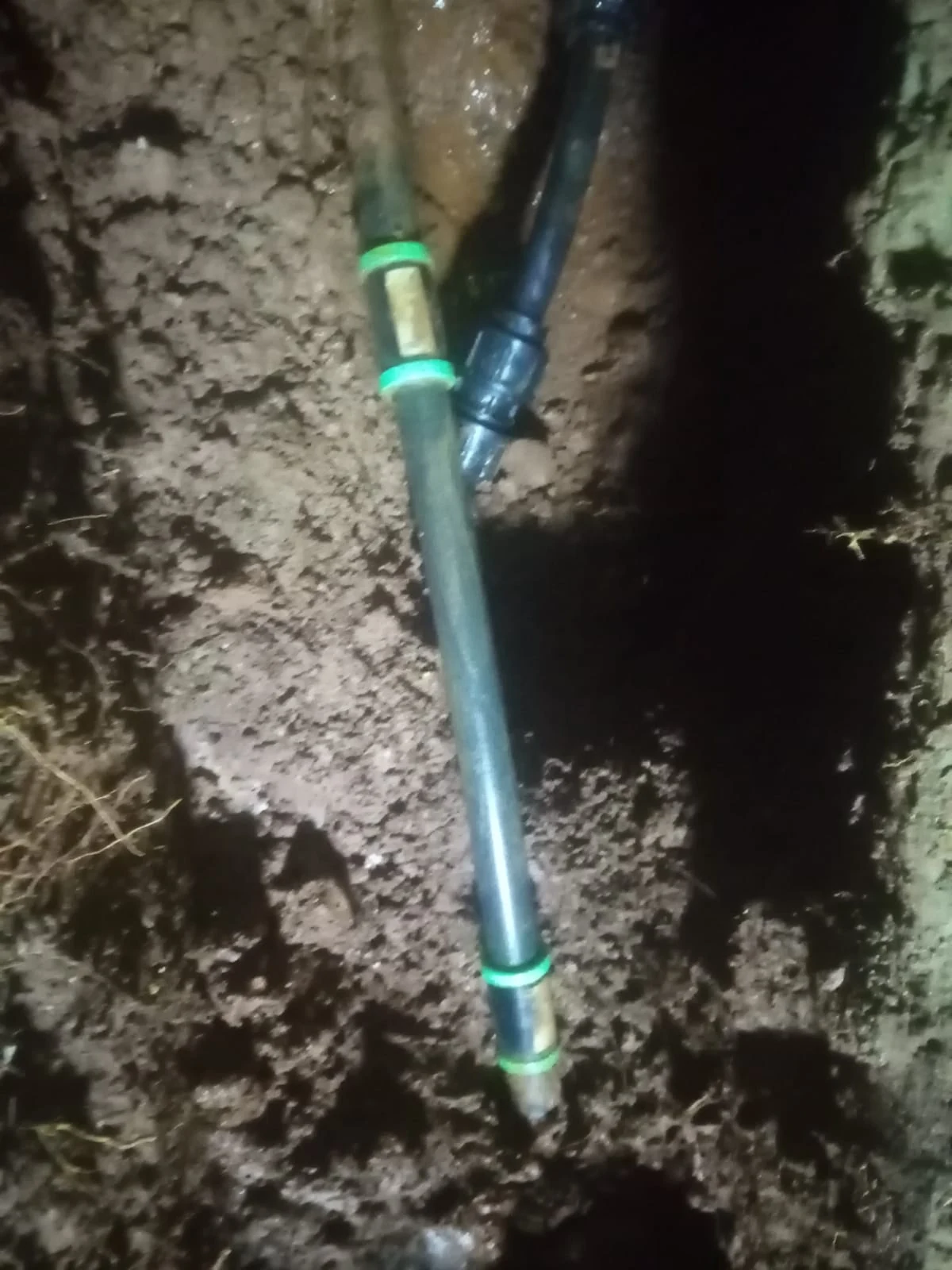
Detecting Hidden Pipe Leaks
Detecting Hidden Pipe Leaks should help customers understand the problem, the warning signs to look for, and the practical next steps before the issue…
Read guide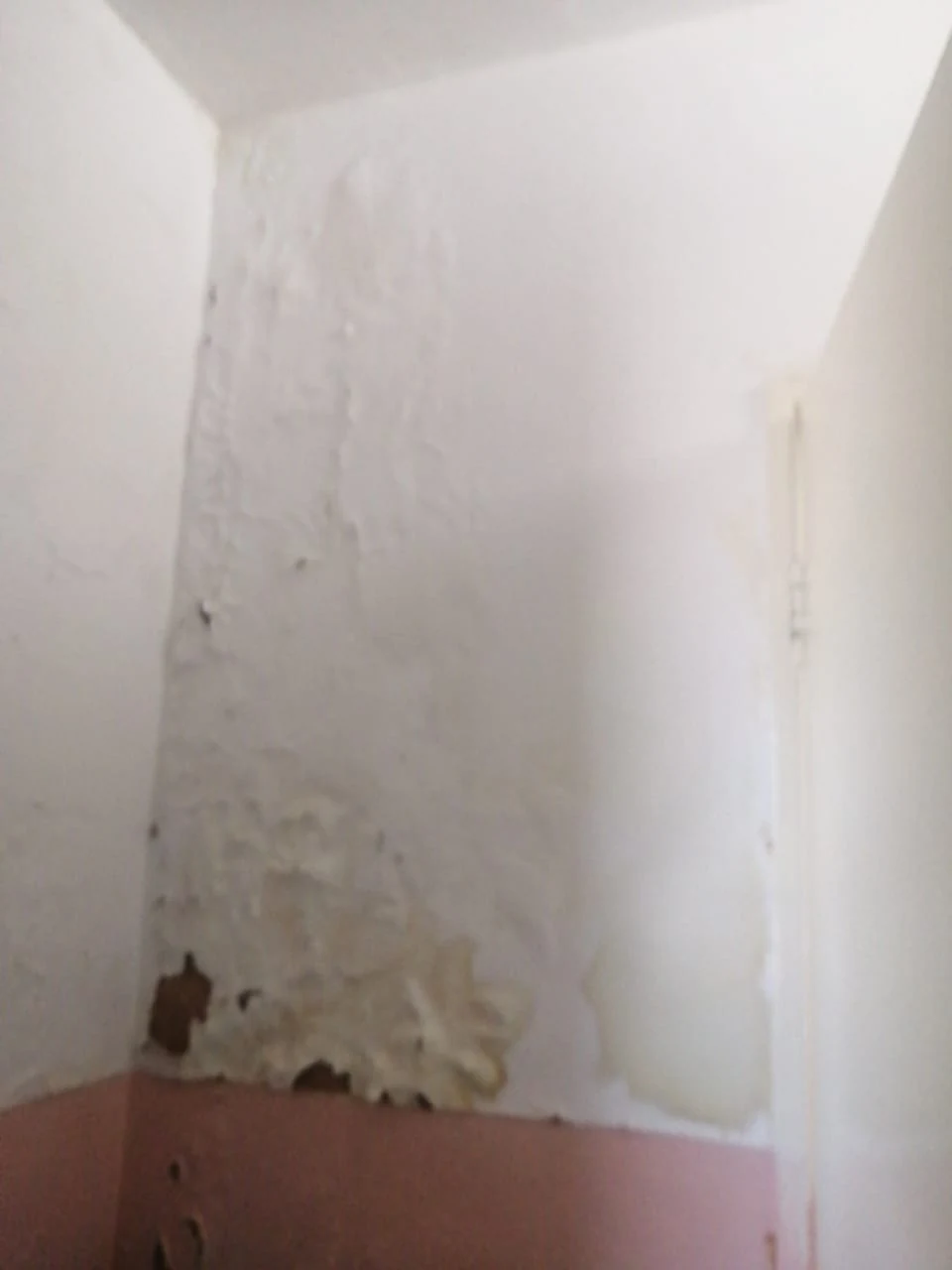
How do water leaks lead to mold and respiratory problems?
Water leaks in a home may seem minor at first, but they can quickly develop into serious health hazards if left unchecked. When water seeps into walls,…
Read guide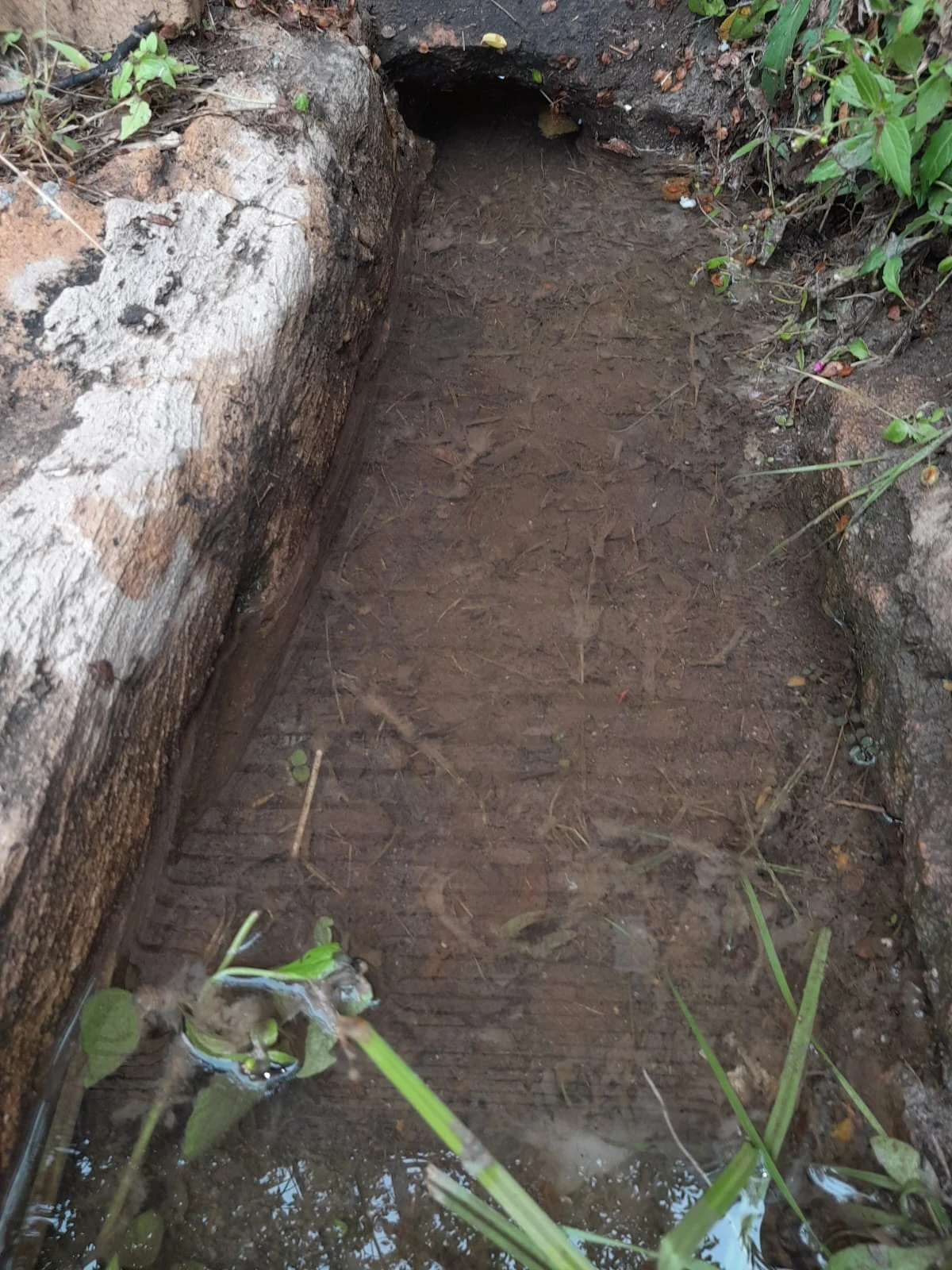
What are the dangers of standing water from leaks?
Standing water from leaks might seem like a minor nuisance at first glance, but it can lead to a range of serious and costly problems if left unaddressed.…
Read guide
How to Find a Reliable Plumber in South Africa
How to find a reliable plumber in South Africa with a practical checklist. Learn PIRB registration, credentials to check, and red flags to avoid.
Read guide