
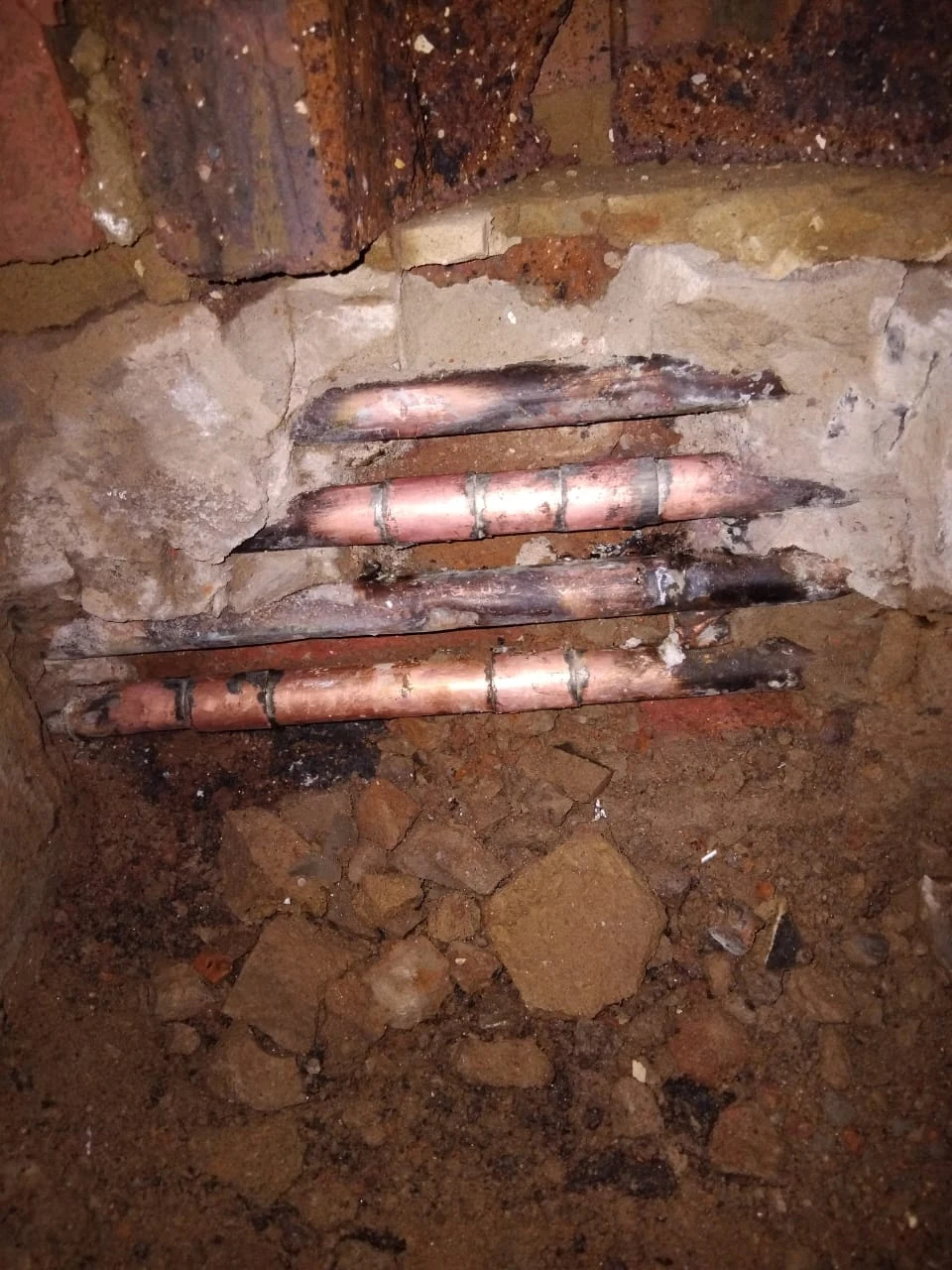
High water pressure can feel convenient at a tap, but it places continuous strain on fittings, valves, flexible connectors, geyser components and appliances. Pressure spikes can also cause noise and repeated leaks.
Before you worry
Strong flow alone does not prove the pressure is excessive. Pressure should be measured because pipe size and outlet design can change how forceful the water feels.
How to recognise the problem
- Banging or vibration when taps close.
- Frequent failure of washers, valves or flexible hoses.
- Geyser valves discharge excessively.
- Toilet cisterns fill noisily or overflow.
- Leaks recur at fittings and appliance connections.
Common causes
- High municipal supply pressure.
- A failed or incorrectly rated pressure reducing valve.
- Thermal expansion in a closed system.
- Booster pumps set too high.
- Pressure surges when valves operate quickly.
What you can safely check yourself
- Note when noise or leaks occur.
- Check several outlets for unusually forceful flow.
- Look for valve discharge without obstructing it.
- Arrange a proper gauge test rather than relying on feel.
What you should never do
- Do not tighten leaking fittings repeatedly without checking pressure.
- Do not plug geyser or safety discharge pipes.
- Do not adjust sealed regulators without the correct procedure.
- Do not ignore repeated hose or valve failures.
When to call a plumber
Call a plumber when pressure-related leaks recur, water hammer is severe, geyser valves discharge continuously or appliance connections fail.
How professionals solve it
The plumber performs static and dynamic pressure tests, checks pressure-reducing and expansion components, reviews pump settings and inspects damage. Correct regulation is installed or serviced and the system is retested.
How to prevent it happening again
- Maintain pressure-control valves.
- Use correctly rated fittings and appliance hoses.
- Investigate water hammer early.
- Set booster pumps within design limits.
- Replace damaged components after pressure is corrected.
Frequently asked questions
What pressure is too high?
Acceptable pressure depends on the system and components, so it should be assessed against the installation and applicable requirements.
Can high pressure burst pipes?
Yes. It increases stress and can contribute to failures, especially where pipework is weak or damaged.
Will a pressure reducing valve solve water hammer?
It may help if pressure is excessive, but fast-closing valves or poor pipe support may also need attention.
Need help with a water pressure problem?
Tell us which outlets are affected, whether the pressure is high, low or unstable, and when the problem started so we can help arrange the right diagnosis.