Need plumbing help? Speak directly to our team 24/7.
Plumbing Services
COMPLETE PLUMBING SERVICES

Professional Plumbing Services for Homes and Businesses

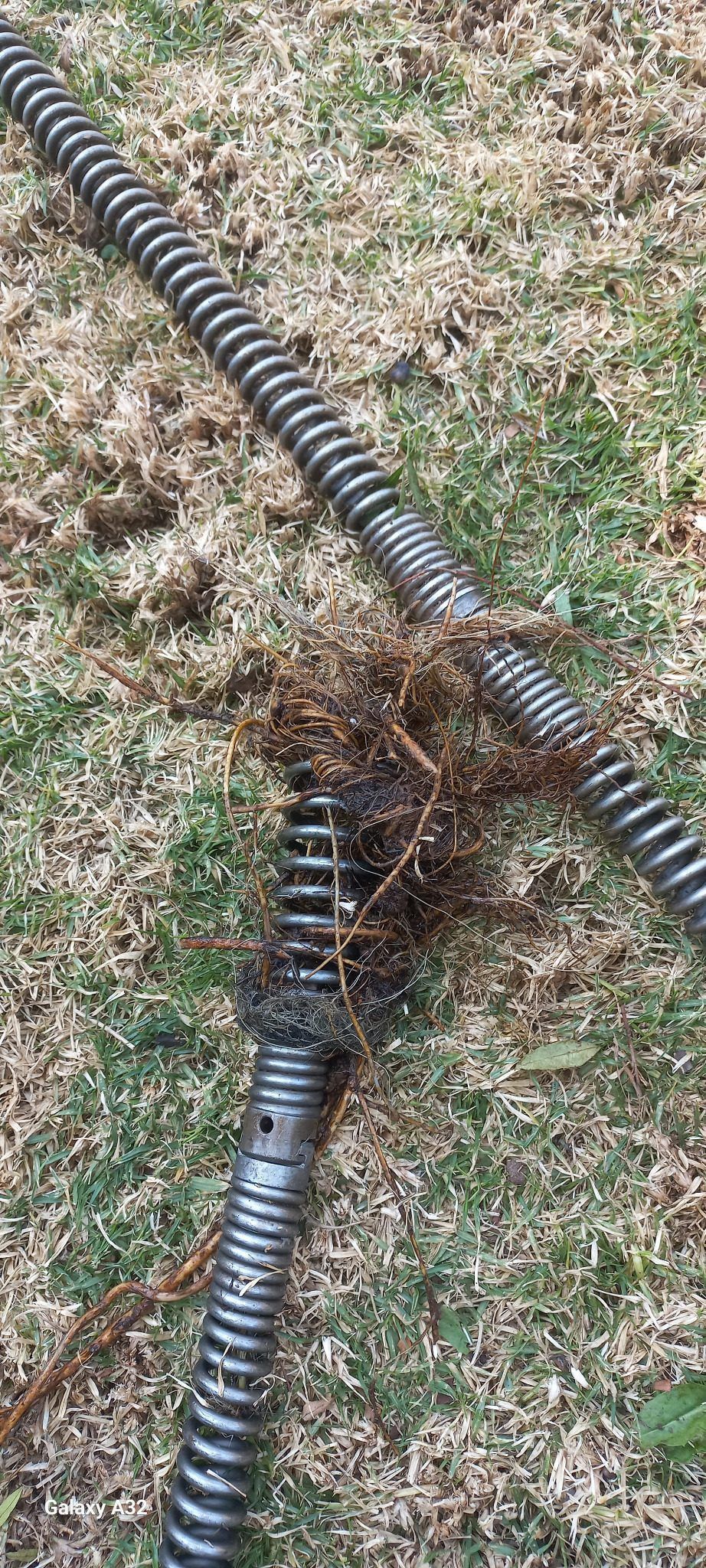
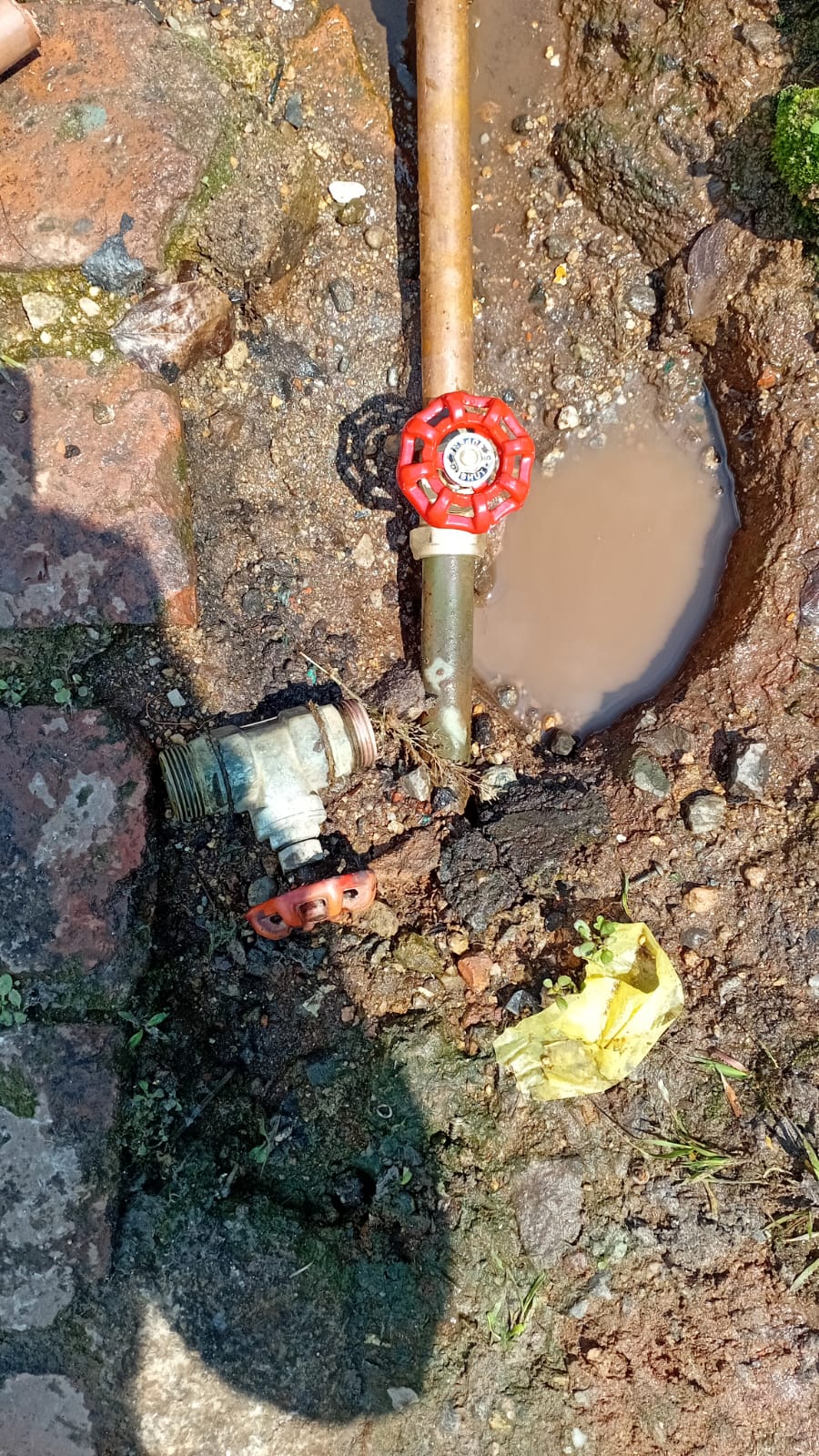
From urgent leaks and blocked drains to installations, maintenance and everyday repairs, our plumbers provide practical support across a wide range of plumbing needs. We assess the problem carefully and recommend a clear, cost-effective way forward.

Free call-out feesFree quotes24/7/365 serviceSame-day service

Get help with professional plumbing services for homes and businesses

Send your details for a quick callback and practical next steps.

By submitting, you ask our plumbing team to contact you about this request. Do not include banking details or passwords.

Fast ResponseHelp when it matters most.
24
Available 24/7Day or night, we’re ready.
Trusted ApproachClear, honest and professional.
01
Tell usDescribe what you can see, hear or smell.
02
Free call-out feesNo charge simply for coming to assess the problem.
03
We quote for freeYou receive a clear price before any work begins.
04
We actRepair, test and explain the result.
💧
Fault-first diagnosisWe look for the cause, not only the symptom.
Practical responseUrgent risks are isolated before repair.
Clear approvalYou understand the work before it starts.
🧰
Repair verificationWater flow, drainage and sealing are tested.
PLUMBING HELP BUILT AROUND THE ACTUAL FAULT

The right service starts with the right diagnosis

Plumbing symptoms often overlap. A damp wall may be a concealed supply leak, a failed waste connection, roof ingress or a geyser discharge problem. We narrow the cause before unnecessary opening or replacement. You can also review our local coverage for Plumber in Rivonia for homes, complexes and businesses — for immediate and scheduled visits..

LOCAL ROUTE AWARENESS

Coverage planned around Gauteng’s main roads and working corridors

Local response is not only about a suburb name. Access, peak traffic, security estates, industrial gates and roadworks affect arrival planning. When you contact us, include the nearest main road, gate, complex name or landmark so the team can identify the correct approach. You can also review our local coverage for Plumber in Randburg for homes, complexes and businesses — with a fault-first approach..

Johannesburg & Sandton:
M1, N1, N3, Rivonia Road, Oxford Road and Winnie Mandela Drive corridors.
Randburg & Roodepoort:
Beyers Naudé Drive, Malibongwe Drive, Republic Road, Ontdekkers Road and Hendrik Potgieter Road.
Midrand & Centurion:
N1, R21, New Road, Olifantsfontein Road, Old Johannesburg Road and Botha Avenue.
East Rand & Alberton:
N12, R24, N17, R21, Atlas Road, North Rand Road and Heidelberg Road.

Useful details to send before the plumber travels

For customers in your area, the fastest description is often practical rather than technical.

  • Nearest shopping centre, hospital, school, industrial park or major intersection.
  • Estate or complex name, gate number and access instructions.
  • Whether the water can be isolated at the stopcock or meter.
  • In your area, a photo or short video showing the leak, drain level, geyser valve or damaged fitting.
  • For businesses, the loading entrance or security contact who will provide access.
REAL TYPES OF WORK

Repairs and installations across homes, complexes and commercial properties

These examples show the variety of access, fittings and testing involved in everyday plumbing—not generic stock illustrations.

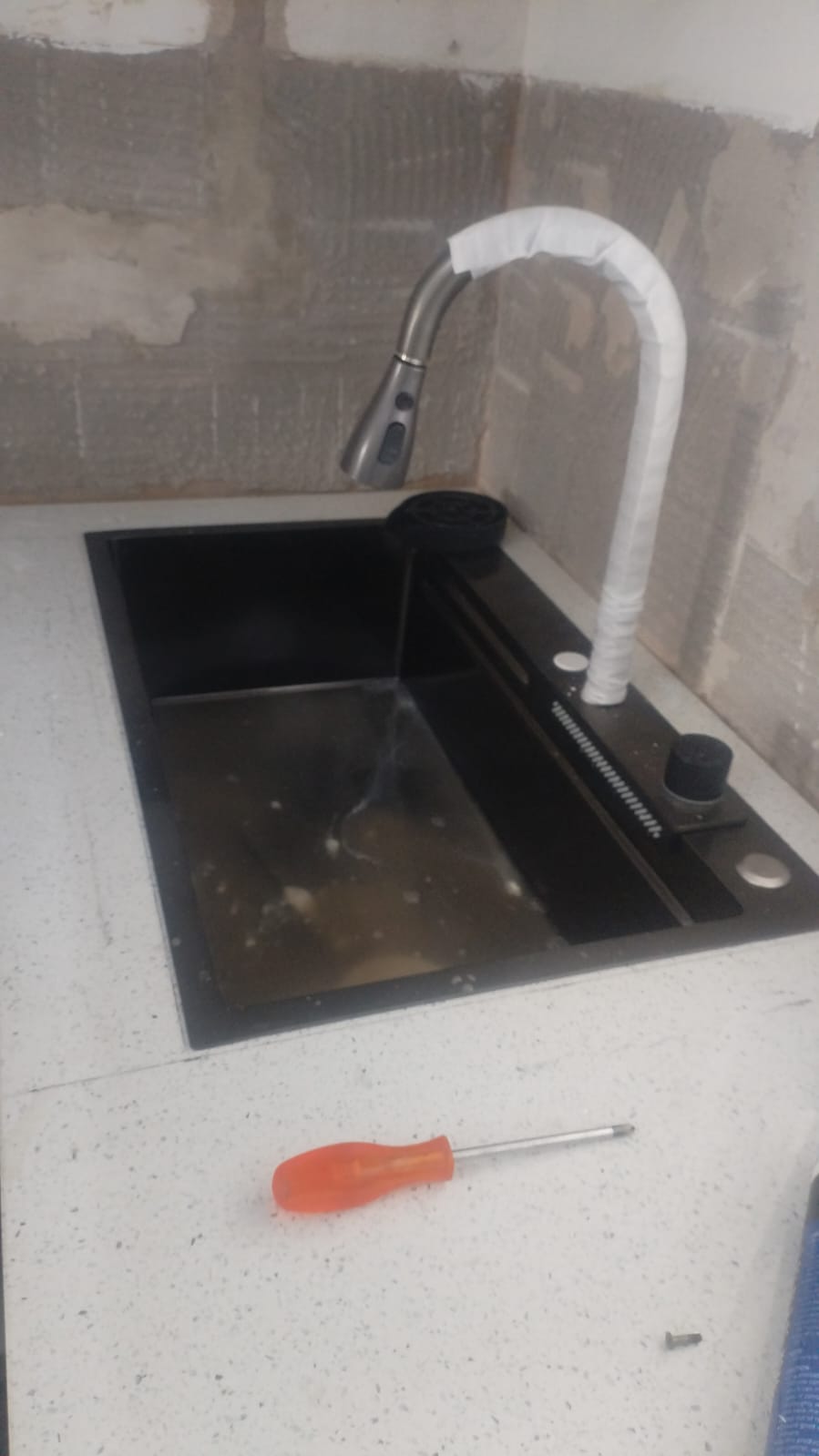
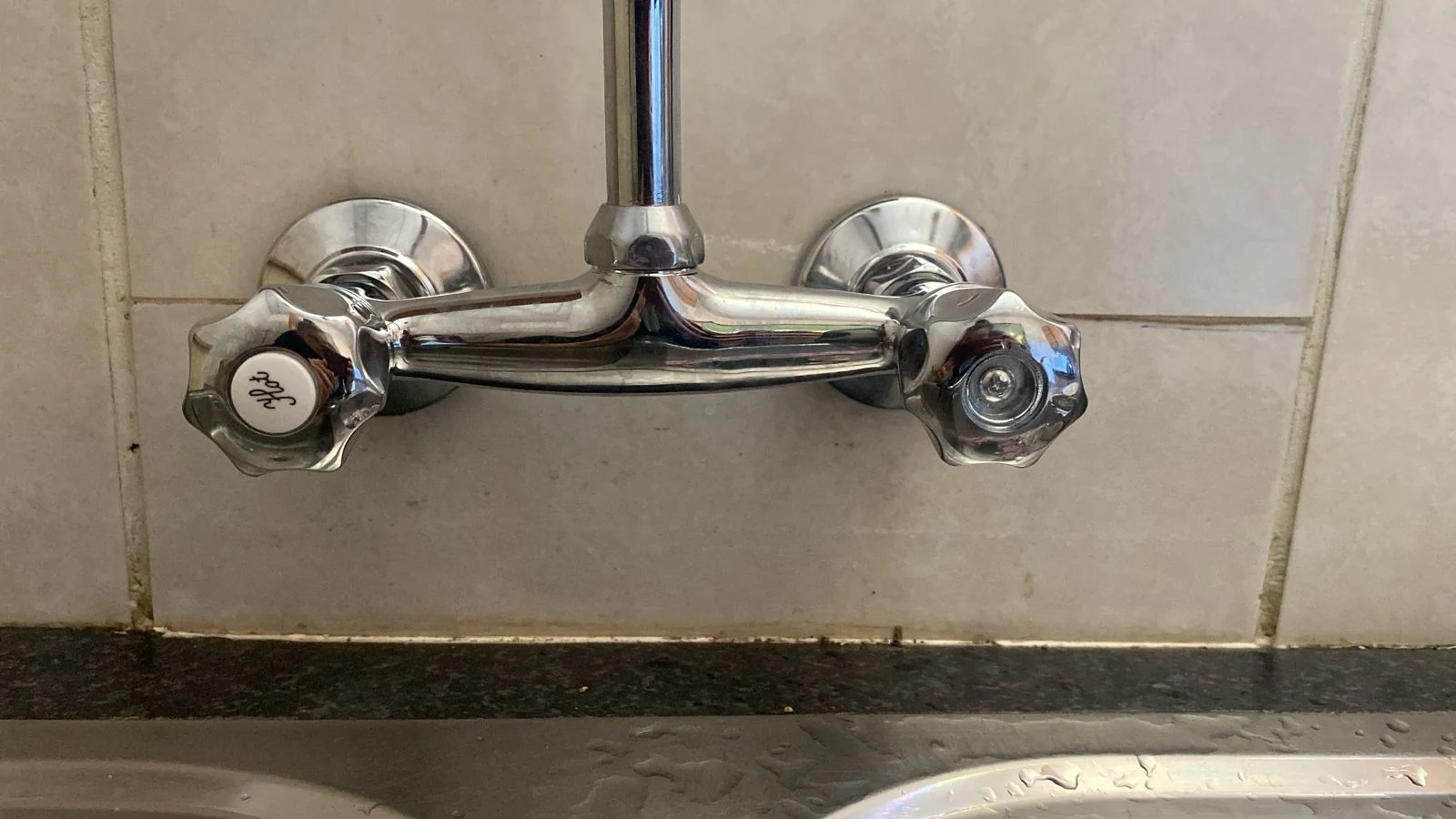
New kitchen mixer tap installed at a sink

Kitchen mixer installation

Across your area, supply isolation, secure mounting, flexible connection inspection and leak testing under working pressure.

View related service ›
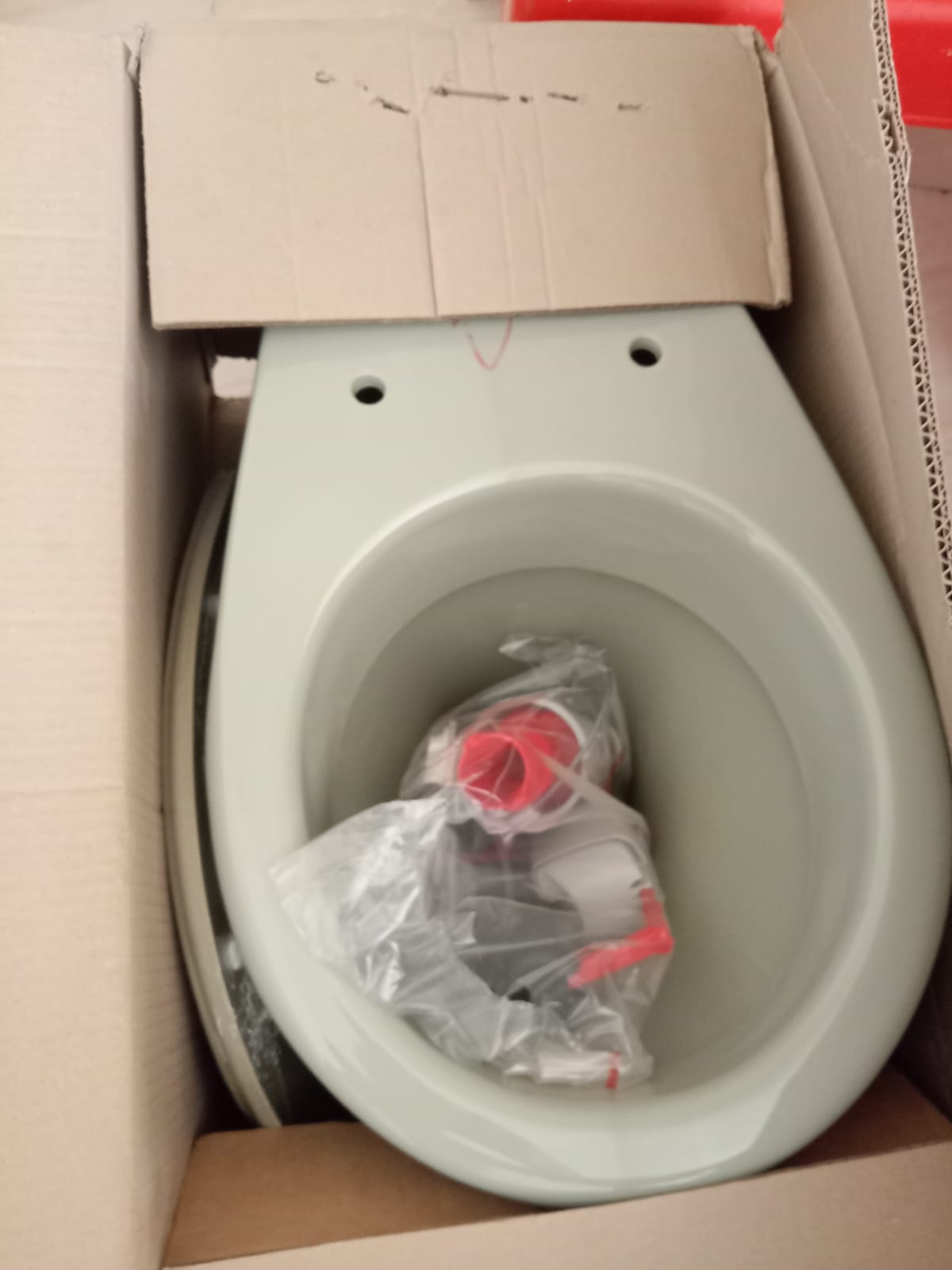
New toilet installed in a bathroom

Toilet installation and repair in your area

Across your area, pan stability, inlet control, cistern adjustment, sealing and repeated flush testing before handover.

View related service ›
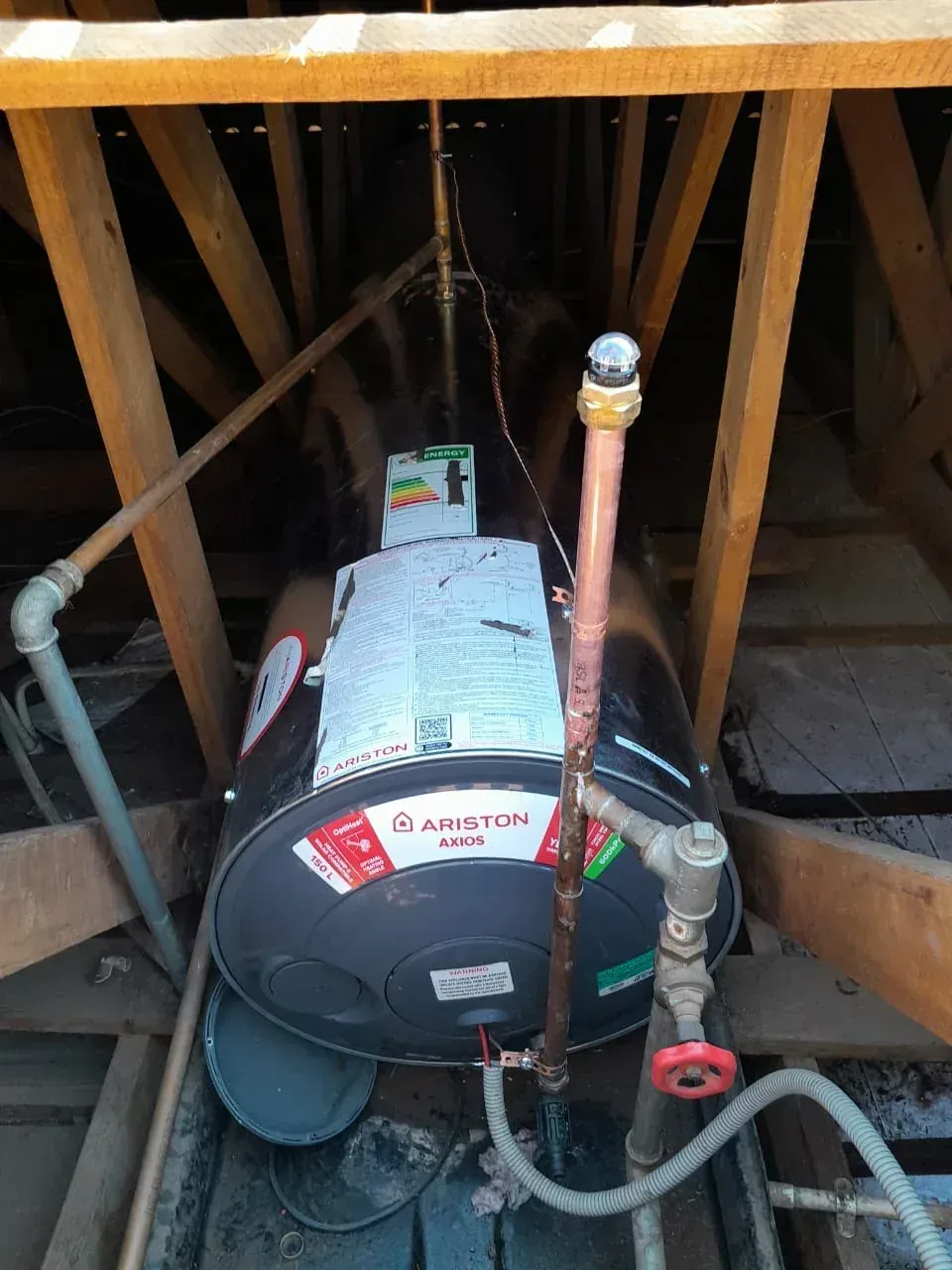
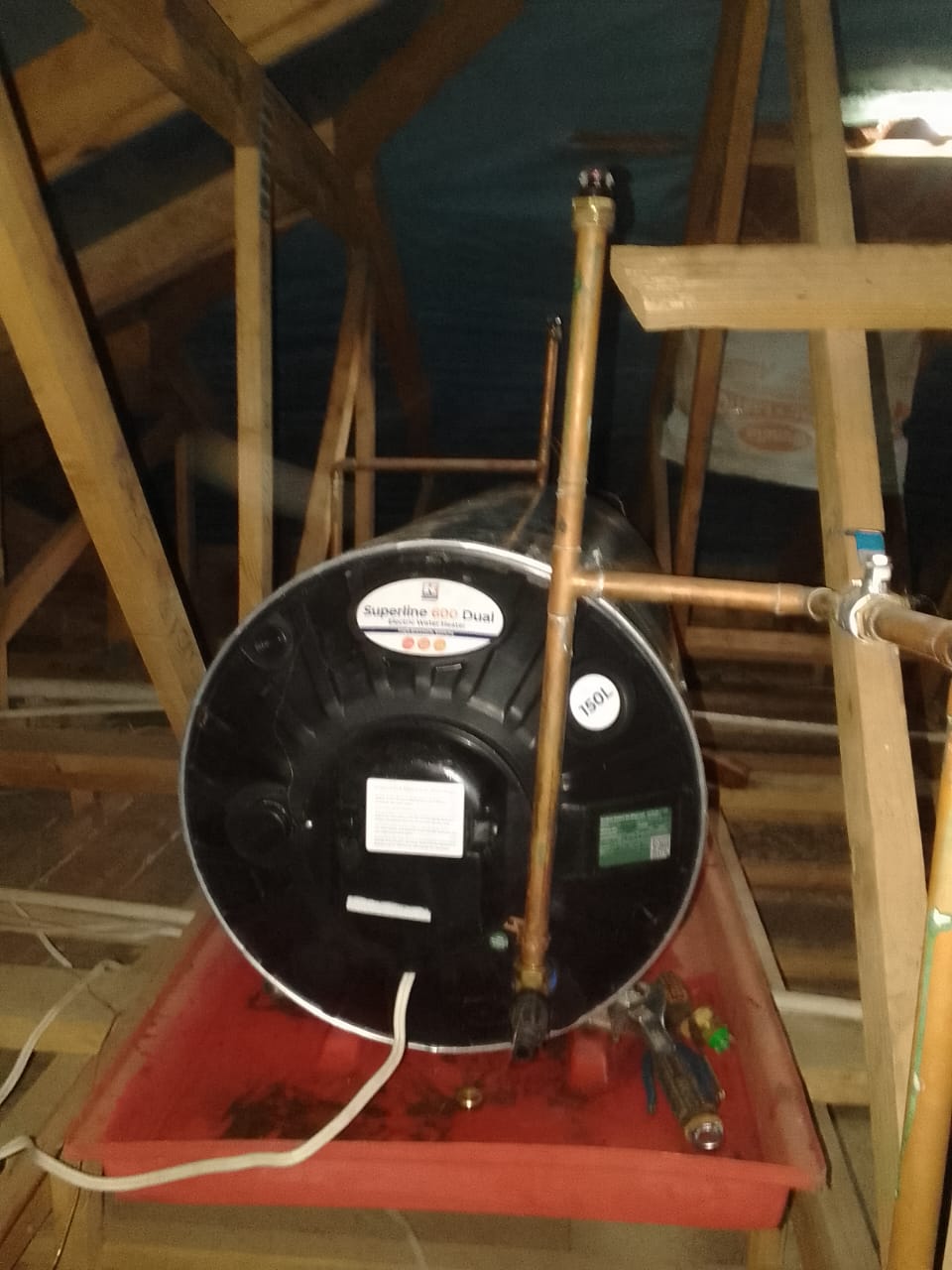
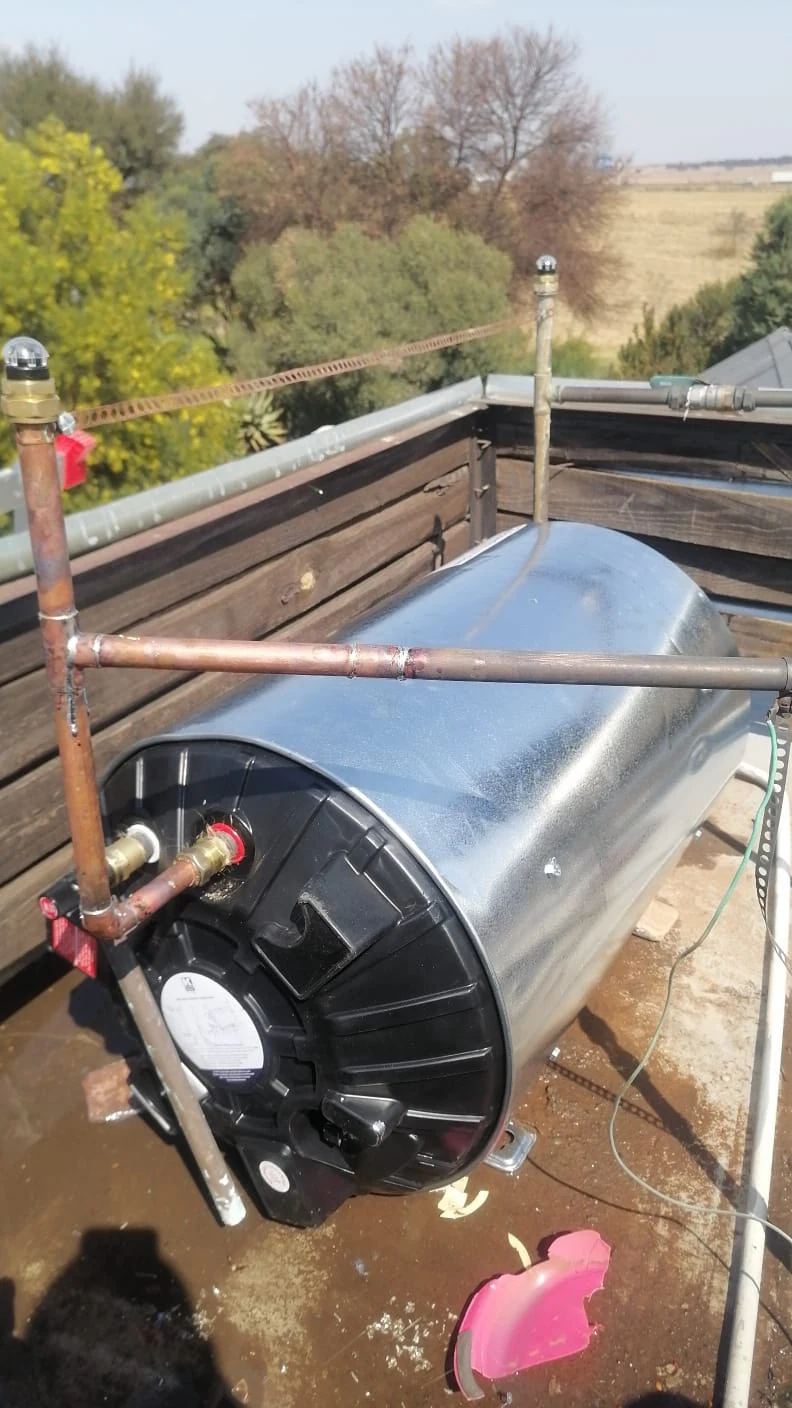
Geyser installed in a roof space

Roof-space geyser work

For a plumbing visit in your area, safe access, valve and discharge inspection, pipe support, insulation and functional hot-water testing.

View related service ›
BEFORE WE ARRIVE

Small actions can limit damage without making the repair harder across your area

Active pipe leakClose the nearest isolation valve or main stopcock if it is safe and accessible. Move valuables away from the wet area.Get practical help ›
Blocked drainStop using connected sinks, toilets or appliances. Do not keep flushing when water is rising or backing up.Get practical help ›
Geyser leakSwitch off the geyser electrical supply at the distribution board and close the cold-water feed where safely possible.Get practical help ›
Low water pressureCheck whether neighbours are affected and whether every fixture or only one outlet has reduced flow.Get practical help ›
DETAILED SERVICE GUIDANCE

A clearer way to approach professional plumbing services

Professional Plumbing Services should begin with the condition that is actually present, not a standard answer applied before the system has been inspected. We look at what the customer is experiencing, how long it has been happening, what has already been attempted and which connected fixtures or services are affected.

Start with the symptom, then confirm the cause

The visible concern may be a plumbing fault, installation request or maintenance concern that requires a clear diagnosis and practical plan. Similar symptoms can come from more than one component, so the first task is to separate the immediate symptom from the underlying cause. This reduces guesswork and helps avoid replacing serviceable parts.

We ask practical questions about when the problem started, whether it is constant or intermittent, and whether any recent work or pressure change occurred. Those details guide the inspection and make the repair discussion easier to understand.

Protect the property before repair work begins

The main concern is not only inconvenience. Left unresolved, the problem can contribute to water damage, repeat breakdowns, disrupted routines and unnecessary replacement when the cause is not identified first. Where water is active, the nearest safe isolation point is identified first so damage is limited while the repair is planned.

Customers are told what can safely remain in use and what should be avoided. This is especially important when a fault affects shared pipework, cupboards, ceilings, electrical areas or finishes that can absorb water without showing immediate damage.

Agree on a repair scope that matches the finding

The repair may involve supply pipes, waste lines, valves, taps, toilets, geysers, drains, pumps and household connections. The correct choice depends on condition, compatibility, access and whether the surrounding installation is still reliable enough to support a local repair.

Before non-emergency work proceeds, the finding and proposed scope are explained in plain language. Where more than one practical option exists, the difference between a short repair and a longer-term solution is made clear so the customer can approve the work with confidence.

INSPECTION AND DIAGNOSIS

What we examine before recommending work

A useful plumbing assessment follows the path of the water and considers the condition of the complete local installation. The aim is to find enough evidence to support the repair without opening more of the property than necessary.

Visible conditionWe inspect staining, corrosion, movement, cracked fittings, failed seals and previous repair points.
Water behaviourWe check whether the symptom changes with pressure, temperature, flow or the use of another fixture.
Access and isolationWe confirm which valves control the affected section and whether safe access is available for repair.
Connected plumbingNearby supply and waste connections are considered so a related fault is not mistaken for an isolated one.

Why repeat problems need a deeper check

A fault that returns after repeated repairs usually indicates that the local symptom has been treated while the operating condition remains unchanged. Pressure, movement, poor alignment, age, incompatible parts or a concealed leak may continue stressing the same area.

Rather than repeating the same repair automatically, we review what failed, how quickly it returned and whether another section is contributing. That approach can prevent a cycle of call-outs that never produces a dependable result.

When repair is sensible and when replacement is better

Repair remains appropriate when the failed component is identifiable, suitable parts are available and the surrounding installation is structurally sound. Replacement becomes more practical when wear is widespread, parts are obsolete, access has already caused repeated damage or the same assembly has failed several times.

The recommendation should reflect the likely life of the result, not only the lowest immediate cost. We explain the trade-off so the customer can decide between restoring the existing installation and investing in a more durable replacement.

Access is part of the repair plan

Plumbing often runs behind cupboards, tiles, walls, ceilings or outdoor finishes. Before opening any area, we consider the most direct access point and the likely reinstatement work. A controlled opening is preferable to broad demolition based on an assumption.

Where practical, photos, visible pipe routes and fixture positions are used to narrow the work area. The customer is told where access may be needed and which finishes could be affected before the repair proceeds.

OUR WORKING PROCESS

How the service moves from first contact to completion

The process is designed to keep the customer informed while the technical work remains controlled. Clear communication is particularly important when the final scope can only be confirmed after inspection.

01
Describe the issueShare the suburb, symptoms and any photos or video.
02
Assess the conditionWe inspect the affected and connected plumbing.
03
Approve the scopeThe finding, work and expected result are explained.
04
Repair and testThe work is completed and verified before handover.

Information that helps us prepare

A useful request includes the property type, suburb, nearest road or landmark, when the problem began, whether water can be isolated and which fixtures are affected. Clear photos of the immediate area can help us understand access and likely materials.

For urgent water loss, explain whether the flow is controlled or still active. For planned work, include any preferred fixture, layout or timing requirements. Accurate information improves preparation but does not replace the on-site assessment.

What happens if the finding changes the scope

Some defects only become visible after a fitting is removed or a controlled access point is opened. When the condition differs from what could reasonably be seen at first, work pauses and the new finding is explained before the scope is extended.

This protects the customer from unexplained additions and protects the installation from a rushed decision. The next step should be based on the actual condition uncovered, with approval obtained before further non-emergency work continues.

Testing is part of the repair, not an optional extra

After the work, water flow, drainage, sealing, pressure and the operation of affected fixtures are checked before the job is closed. A repair is not considered complete simply because the visible leak has stopped or the fixture appears to operate once.

The area is checked again after normal use so small seepage, movement or drainage delays can be identified. The customer is shown the result and advised about any related condition that should be monitored or addressed separately.

PRACTICAL CUSTOMER DECISIONS

How to choose a solution that will remain dependable

Good plumbing decisions balance urgency, cost, access, compatibility and expected service life. A low initial price is not helpful when the same weakness is left in place and the property must be opened again soon afterwards.

Consider the condition around the failed point

A new component connected to badly corroded, distorted or poorly supported plumbing may not deliver a lasting result. The surrounding pipework, fittings and mounting points should be capable of carrying the repair without transferring stress to the next joint.

Where the local condition is poor, a slightly wider repair can be more economical than replacing one small part and returning shortly afterwards. The reason for any broader recommendation should be visible and understandable to the customer.

Use compatible materials and serviceable components

Plumbing parts must suit the operating pressure, temperature, pipe material and fixture design. Improvised combinations can be difficult to seal, difficult to maintain and more vulnerable to movement or chemical interaction over time.

We favour components that can be serviced and replaced without unnecessary damage to surrounding finishes. Where branded or model-specific parts are required, identification should happen before the fitting is forced or modified.

Plan for future isolation and maintenance

A dependable installation should allow a future plumber to isolate and service the affected area without shutting down more of the property than necessary. Accessible valves, sensible connection points and clear pipe routes make later maintenance faster and less disruptive.

During planned work, this is an opportunity to correct inaccessible valves or unsupported pipework where the benefit justifies the added scope. These details are often invisible when the job is finished, but they strongly influence future reliability.

MAINTENANCE AND PREVENTION

Small checks that can prevent a larger plumbing problem

Customers do not need to dismantle fittings to care for their plumbing. Simple observation and early reporting are usually more valuable than attempting a temporary repair that hides the evidence.

Watch for gradual changeNew noises, slower drainage, movement, staining or pressure variation often appear before complete failure.
Keep isolation points accessibleDo not bury valves behind fixed storage or finishes where they cannot be reached in an emergency.
Avoid forcing controlsHandles, valves and connectors that become stiff should be inspected before they crack or strip.
Report recurring moistureDampness that returns after drying may indicate a continuing plumbing or waterproofing problem.

Why temporary sealing can make diagnosis harder

Tape, sealant and surface patching may slow a leak briefly, but they can also redirect water into cupboards, walls or floors and obscure the actual failure point. This creates a false sense of security while hidden damage continues.

Where water must be controlled before assistance arrives, isolation is usually safer than building up layers of temporary material. Tell the plumber what was applied and where so the area can be assessed accurately.

Know when the issue has become urgent

Urgent assistance is appropriate when water cannot be isolated, a ceiling is bulging, electrical equipment is threatened, sewage is backing up, a geyser is releasing uncontrolled water or the property is losing essential water service.

When safe, switch off affected electrical circuits, close the relevant water supply and keep people away from unstable ceilings or contaminated water. Do not enter a dangerous area simply to take a photograph.

Keep a record of repeated work

Photos, invoices and notes about previous faults can reveal a pattern that is not obvious during a single visit. Record which section was repaired, what material was used and how long the result lasted.

This history helps distinguish an isolated failure from a system condition such as pressure, age, movement or poor original installation. It also supports better decisions when repair and replacement costs are being compared.

SERVICE QUESTIONS

Common questions about professional plumbing services

Every property is different, but the following answers explain how we generally approach assessment, approval and completion.

Can you quote before inspecting the property?

Basic information and photos may support an initial discussion, but a dependable repair scope often requires inspection. Access, condition and the exact failure can materially affect the work.

Will you repair only the affected component?

Yes, when the surrounding installation is sound and the local repair is likely to remain reliable. If related deterioration is visible, we explain why a wider repair may be more practical.

Can I keep using the plumbing before the visit?

That depends on the symptom. Stop using any fixture that causes water to rise, leak or spread. Isolate active water where safe and ask for guidance when you are uncertain.

How do you confirm the repair is complete?

Water flow, drainage, sealing, pressure and the operation of affected fixtures are checked before the job is closed. The affected area is then checked again under normal use and the result is explained at handover.

Can you assist at homes, complexes and businesses?

Yes. Access, isolation and approval arrangements differ, so provide the unit number, managing contact and any site rules when booking work at a managed property.

What should I send when requesting assistance?

Send your suburb, contact number, a concise description, when it started and clear photos or video where safe. Mention whether the water is isolated and whether the issue is worsening.

Need help with professional plumbing services?

Send the suburb, nearest landmark and a short description of what is happening. For uncontrolled water or immediate property risk, call the emergency number now.

COMMON QUESTIONS

What clients usually need to know first

Do I need to know exactly what the plumbing fault is?

No. Tell us what you see, when it started, whether the water can be isolated and which fixtures are affected. That information is often more useful than guessing the technical name.

What should I send with a plumbing request?

Your name, cell number, suburb, nearest landmark or main road, access instructions and a clear photo or video of the affected area where possible.

Can you help with repeat drain or leak problems?

Yes. Repeated faults normally require more than clearing or patching. The repair plan may include pressure testing, camera inspection, route tracing or examination of previous joints and reinstatement areas.

What happens before work begins?

The immediate risk is assessed, the likely cause is explained, and the repair scope is agreed before non-emergency work proceeds.

Helpful plumbing guides

Learn more about Professional Plumbing Services for Homes and Businesses

Explore practical guides related to professional plumbing services for homes and businesses, including warning signs, emergency steps, maintenance advice and information that can help you make a confident decision.

Explore all plumbing guides