Not every plumbing fault is an emergency, but some problems can quickly threaten people, property or essential services. The key is to judge the risk and rate of deterioration, not simply how inconvenient the problem feels.
An emergency plumbing repair is generally one that cannot safely wait because water, sewage, heat or pressure is causing active damage or creating a health or electrical hazard.
A practical definition of a plumbing emergency
A plumbing problem should be treated as an emergency when it involves uncontrolled water, sewage entering occupied areas, water near electricity, a dangerous geyser fault, a complete loss of essential water, or damage that is worsening by the minute.
- Water is flowing continuously and cannot be isolated.
- Sewage or wastewater is backing up into the building.
- A geyser is leaking heavily, bulging, overheating or making alarming noises.
- Water is entering ceilings, walls, electrical fittings or valuable areas.
- The only usable toilet or water supply has failed.
- A vulnerable household or business cannot safely function without an urgent repair.
Burst pipes and uncontrolled leaks
A burst pipe is an emergency because even a small opening can release a large volume of water. Close the main water supply when safe, move belongings away and call for help. A hidden leak may also be urgent when ceilings sag, paint bubbles, floors lift or the meter continues running with all fixtures closed.
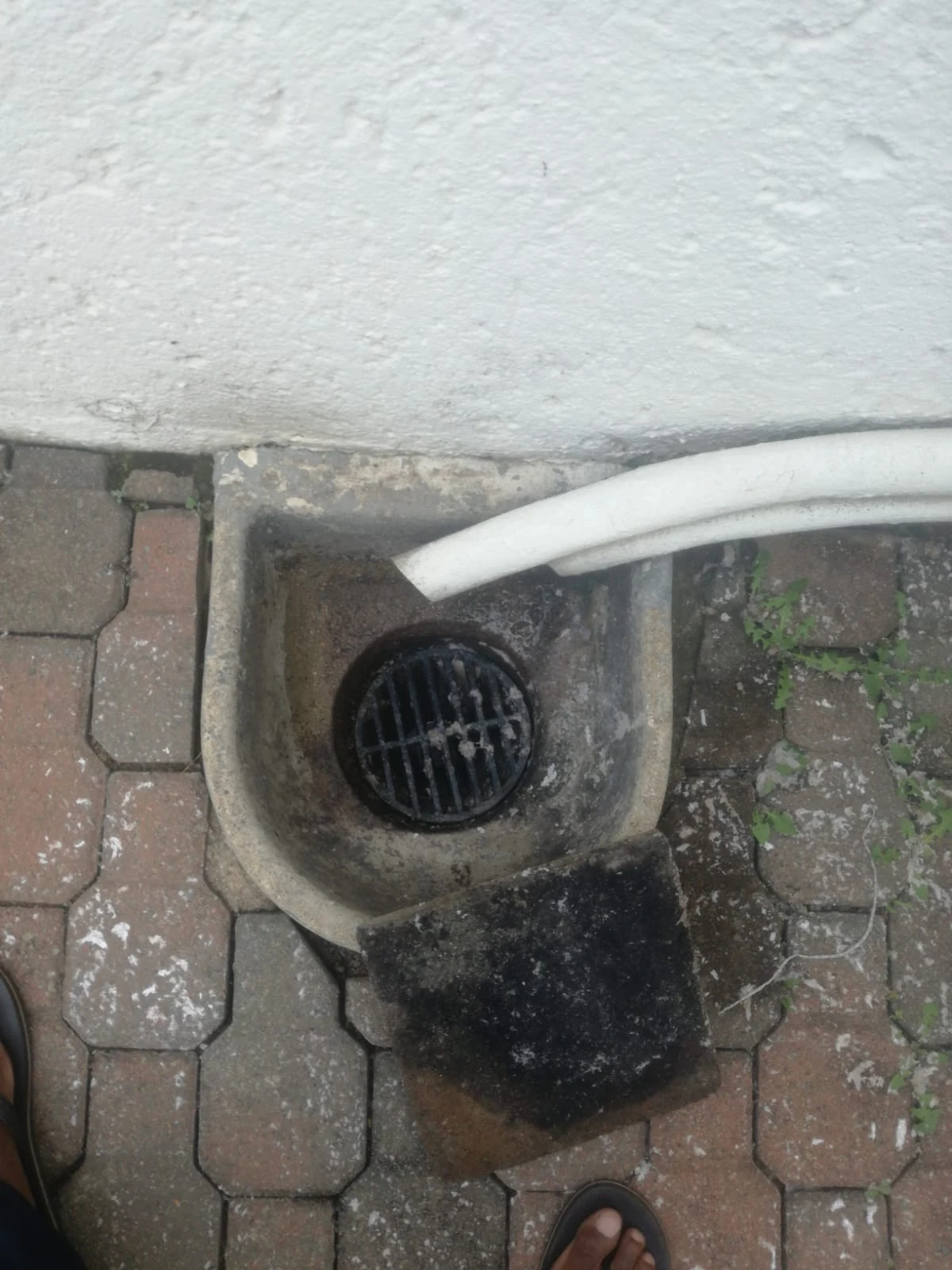
Sewage backups and overflowing drains
Sewage contains harmful microorganisms and should not be treated as ordinary wastewater. Stop using connected toilets, basins, showers and appliances. Keep people and pets away from contaminated areas and arrange professional assistance promptly.
Leaking or unsafe geysers
A minor drip from a discharge pipe may need inspection but is not always an immediate crisis. Heavy leakage, water through the ceiling, a bulging cylinder, steam, electrical tripping or unusual banging requires urgent attention. Switch off the geyser circuit only when the distribution board is safely accessible and dry.
Water close to electricity
Any plumbing leak affecting plugs, lights, appliances, wiring or the distribution board is an emergency. Do not enter standing water or touch electrical equipment. Isolate the area and request professional help.
Complete loss of water supply
A loss of water may be municipal, property-wide or limited to one fixture. Check whether neighbours are affected and whether the municipal supply is interrupted. It becomes urgent when the property has no usable water, the cause is a burst pipe, or occupants have medical, sanitation or operational needs that cannot wait.
Problems that can often wait briefly
A slowly dripping tap, a single sluggish drain, a running toilet that can be isolated, or a minor leak caught in a container may be scheduled rather than dispatched as an emergency. However, book the repair before the fault worsens or causes hidden damage.
Emergency decision checklist
- Is anyone at risk from electricity, hot water, sewage or collapse?
- Is water still flowing or damage still spreading?
- Can the affected fixture or supply be isolated safely?
- Is the property left without essential sanitation or water?
- Will waiting until normal hours materially increase damage?
Frequently asked questions
Is every leak an emergency?
No. A contained drip may wait briefly, while a leak inside a wall, ceiling or electrical area requires urgent attention.
Is a blocked toilet an emergency?
It is urgent when it overflows, sewage backs up, or it is the only toilet available. Stop flushing it.
Can I wait until morning?
Only when the fault is safely isolated, no damage is spreading and occupants still have essential services.
Need urgent plumbing help?
Tell us what has happened, send photographs if possible and let our team help you arrange the right response.