South Africa’s water crisis is not a future problem, it is a present-tense fin
Before You Worry
As a first-time homeowner, stepping into the world of plumbing can feel overwhelming. It's important to remember that many plumbing issues are manageable and can be resolved without panic. The first step is to familiarise yourself with your home's plumbing system and the typical issues that may arise. By understanding the basics, you can save time, money, and unnecessary stress.
Before diving into potential problems, take a moment to appreciate the importance of preventative maintenance. Regularly checking and maintaining your plumbing can prevent minor issues from escalating into costly repairs. Keep in mind that while learning about your plumbing system is essential, knowing when to seek professional help is equally important. The Plumb A Nator team is here to assist you in navigating this journey.
Understanding the Topic
Your home’s plumbing system consists of various components, including pipes, fixtures, and appliances that work together to supply water and remove waste. Understanding how these elements function can empower you as a homeowner. The plumbing system operates under pressure, with clean water flowing in and waste water flowing out, both of which require a network of pipes to function effectively.
In South Africa, municipal regulations and standards, including SANS (the South African National Standards), govern plumbing installations. It's crucial to ensure that any plumbing work adheres to these standards to maintain safety and functionality. Familiarising yourself with local bylaws can also help you understand your responsibilities as a homeowner, especially concerning water usage and conservation.
Common Questions
As a first-time homeowner, you likely have several questions about plumbing. Here are some common inquiries:
What should I do if I have a leak?
If you discover a leak, the first step is to turn off the water supply to the affected area. This will prevent further water damage. Next, assess the situation—if it's a minor leak, you may be able to fix it with plumbing tape or a temporary seal. However, for significant leaks, it's best to call a professional plumber to ensure a proper repair.
How can I prevent clogged drains?
To prevent clogs, be mindful of what goes down your drains. Avoid disposing of grease, hair, and food scraps in sinks and showers. Using drain covers can also help catch debris before it enters the plumbing system. Regularly flushing your drains with hot water and vinegar can keep them clear.
What You Can Safely Check Yourself
As a homeowner, there are several plumbing checks you can perform safely without needing professional help. Here are a few:
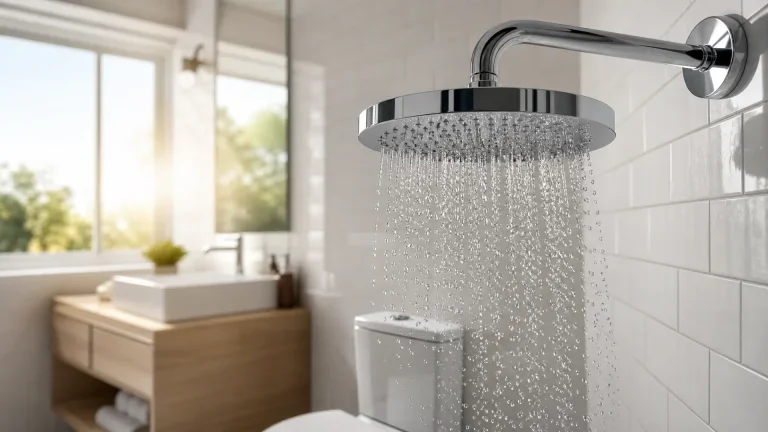
Inspecting faucets and showerheads
Check for leaks, corrosion, or mineral build-up. If you spot any issues, you can often replace washers or clean fixtures yourself. This not only improves water flow but also enhances the efficiency of your fixtures.
Checking water pressure
Low water pressure can signal a problem within your plumbing system. You can measure your water pressure using a pressure gauge, which can be purchased at hardware stores. Ideal residential water pressure ranges from 2 to 4 bar. If your readings are outside this range, it may be time to consult a plumber.
Monitoring your water bill
Keep an eye on your monthly water bill for any sudden increases, which could indicate a leak or other plumbing issue. Comparing bills month-to-month can help you spot unusual patterns early.
What You Should Never Do
While it’s important to be proactive about plumbing issues, there are several actions you should avoid:
Ignoring persistent issues
If you notice recurring problems such as slow drains or frequent leaks, don’t just overlook them. Ignoring these signs can lead to more severe damage and costly repairs down the line.
DIY repairs beyond your skills
While minor repairs are often manageable, attempting complex installations or repairs without the necessary knowledge can lead to further complications. It's best to leave significant plumbing work to the professionals.
Using chemical drain cleaners
Chemical drain cleaners can be harsh on your plumbing and may cause more damage than good. Instead of relying on these products, consider natural alternatives such as baking soda and vinegar, or consult a plumber for advice on clearing stubborn clogs.
When to Call a Plumber
There are specific situations where calling a plumber is essential to avoid further damage:
Major leaks or flooding
If you experience significant leaks or flooding, contact a plumber immediately. These situations require professional intervention to prevent structural damage and mould growth.
Clogged toilets or drains
If your toilet or drains are severely clogged and home remedies haven’t worked, a plumber can help clear the blockage without causing damage to your pipes.
Unusual noises or smells
Strange noises from your plumbing or unpleasant smells can indicate underlying issues. Don’t hesitate to contact a plumber for a thorough inspection if you notice these signs.
How Plumb A Nator Helps
At Plumb A Nator, we understand the unique challenges faced by first-time homeowners. Our team of qualified plumbers is dedicated to providing reliable and efficient plumbing services tailored to your needs. Whether you require routine maintenance, emergency repairs, or guidance on plumbing upgrades, we are here to assist you.
We also offer educational resources to help you better understand your plumbing system. From saving water at home to tips on choosing the right fixtures, our goal is to empower you as a homeowner. We believe that knowledge is key to maintaining a healthy and efficient plumbing system.
Planning Ahead
As a first-time homeowner, it's essential to plan for future plumbing needs. Here are a few strategies to consider:
Regular maintenance schedule
Establish a routine maintenance schedule to inspect your plumbing system. Regular checks can help identify potential issues early, saving you money on repairs in the long run. Consider seasonal checks, especially before winter to prevent freeze-related damage.
Budget for plumbing emergencies
Set aside a portion of your budget for unexpected plumbing repairs. Having a financial cushion can alleviate stress when emergencies arise. Remember, being proactive can often prevent emergencies from happening in the first place.
Upgrade fixtures and appliances
Consider upgrading to water-saving fixtures and appliances to reduce your water consumption and lower your utility bills. Modern plumbing solutions can enhance your home’s efficiency and align with local conservation efforts.
Frequently Asked Questions
What should I do if my toilet won’t flush?
If your toilet won’t flush, check the water supply valve to ensure it’s open. If it is, the issue may lie within the tank’s components. You may need to replace the flapper or the fill valve. If you’re unsure, it’s best to consult a plumber.
How can I tell if I have a hidden leak?
Signs of a hidden leak include unusually high water bills, damp spots on walls or ceilings, or mould growth. If you suspect a hidden leak, it’s crucial to contact a plumber for a professional assessment.
How often should I clean my gutters and downspouts?
Regular cleaning of gutters and downspouts is recommended at least twice a year, especially in spring and autumn. Clogged gutters can lead to water damage and affect your plumbing system.
Contact the Plumb A Nator team today. Call 067 895 4361.pn-kc-cta">Need professional plumbing assistance?
Speak directly to our team for practical advice, a free quotation and help arranging the right plumbing service.