
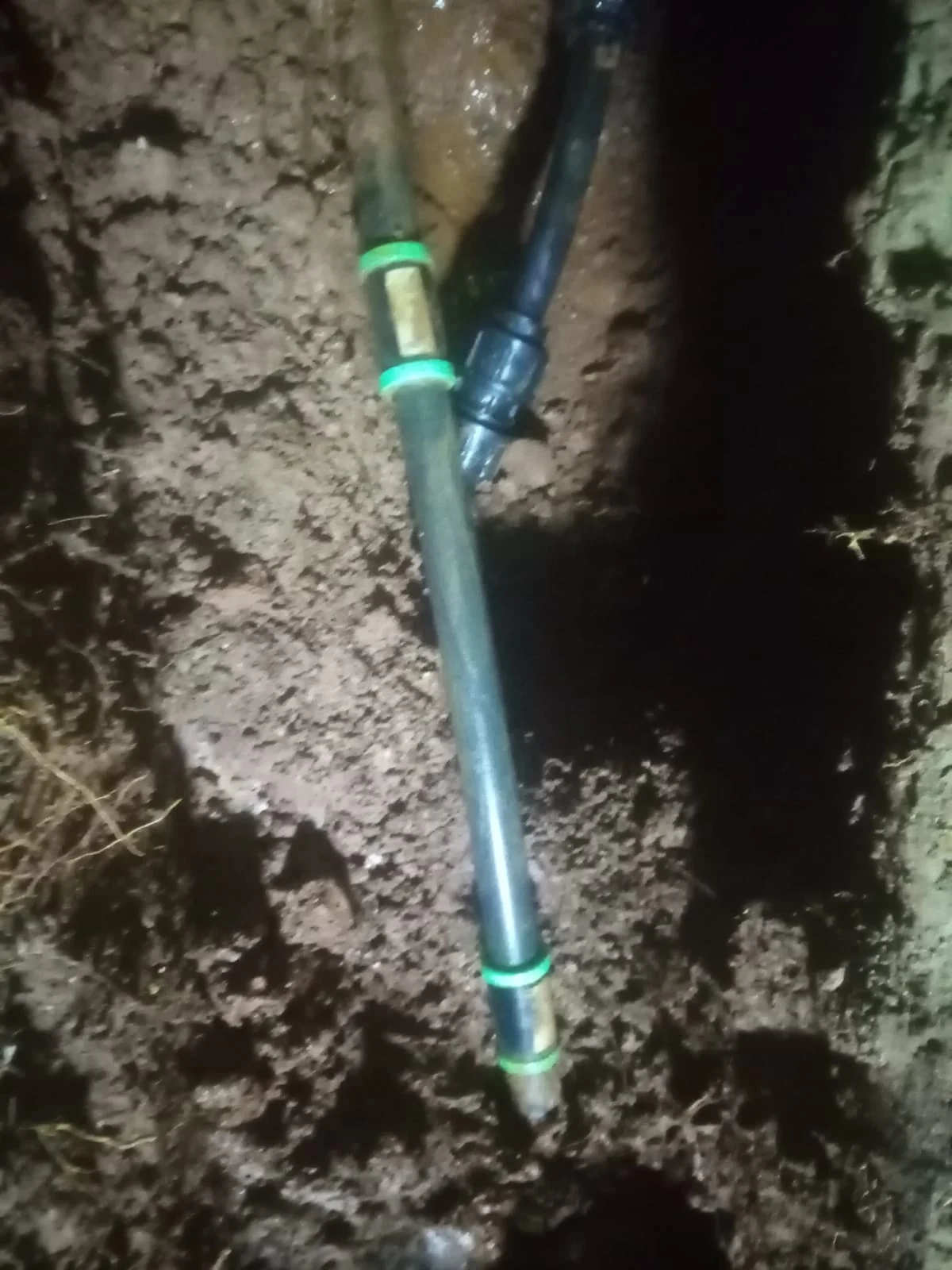
A small leak may look harmless because the water volume at any one moment is limited. The real risk is duration: a slow leak can continue continuously, spreading moisture into materials that were never designed to stay wet.
Continuous water loss adds up
A drip or fine spray operating day and night can waste a significant amount of water over weeks. Meter readings and bills may rise gradually, making the change easy to overlook.
Moisture spreads beyond the visible mark
Plaster, timber, insulation and concrete absorb and redistribute water. The damaged area can become much larger than the original leak point.
Mould and poor indoor conditions
Persistent dampness supports mould growth and musty odours. People with allergies or respiratory sensitivity may be affected by deteriorating indoor conditions.
Damage to finishes and fittings
Paint blisters, cupboards swell, flooring lifts and metal fixings corrode. Replacing finishes can cost more than repairing the original plumbing defect.
Timber decay and structural deterioration
Long-term moisture can weaken timber and wash supporting material from beneath slabs or paving. The risk depends on construction and how long the leak continues.
Leaks can worsen suddenly
Corrosion, pressure cycles and movement can enlarge a small opening. A minor seep can become a burst pipe without much warning.
Secondary electrical risk
Water reaching wiring, lights or appliances creates a separate safety concern. Do not touch wet electrical equipment and isolate power only where safe.
Why temporary patches are not enough
Tape and clamps may reduce water briefly but do not correct corrosion, failed joints or excessive pressure. They should only support safe isolation until a proper repair is completed.
The value of early action
Recording symptoms, testing the meter and arranging diagnosis early usually limits disruption. The sooner the source is stopped, the smaller the drying and reinstatement work is likely to be.
Frequently asked questions
Can a tiny leak really cause mould?
Yes. Mould depends on persistent moisture rather than a dramatic volume of water.
How quickly should a small leak be repaired?
Promptly. Active leaks rarely improve on their own and can worsen without warning.
Will the wall dry by itself after repair?
Sometimes, but enclosed cavities, insulation and saturated materials may require active drying or removal.
Worried that a small leak is getting worse?
Send us the location, photographs, meter behaviour and how long the problem has been present so we can help arrange the right response.