
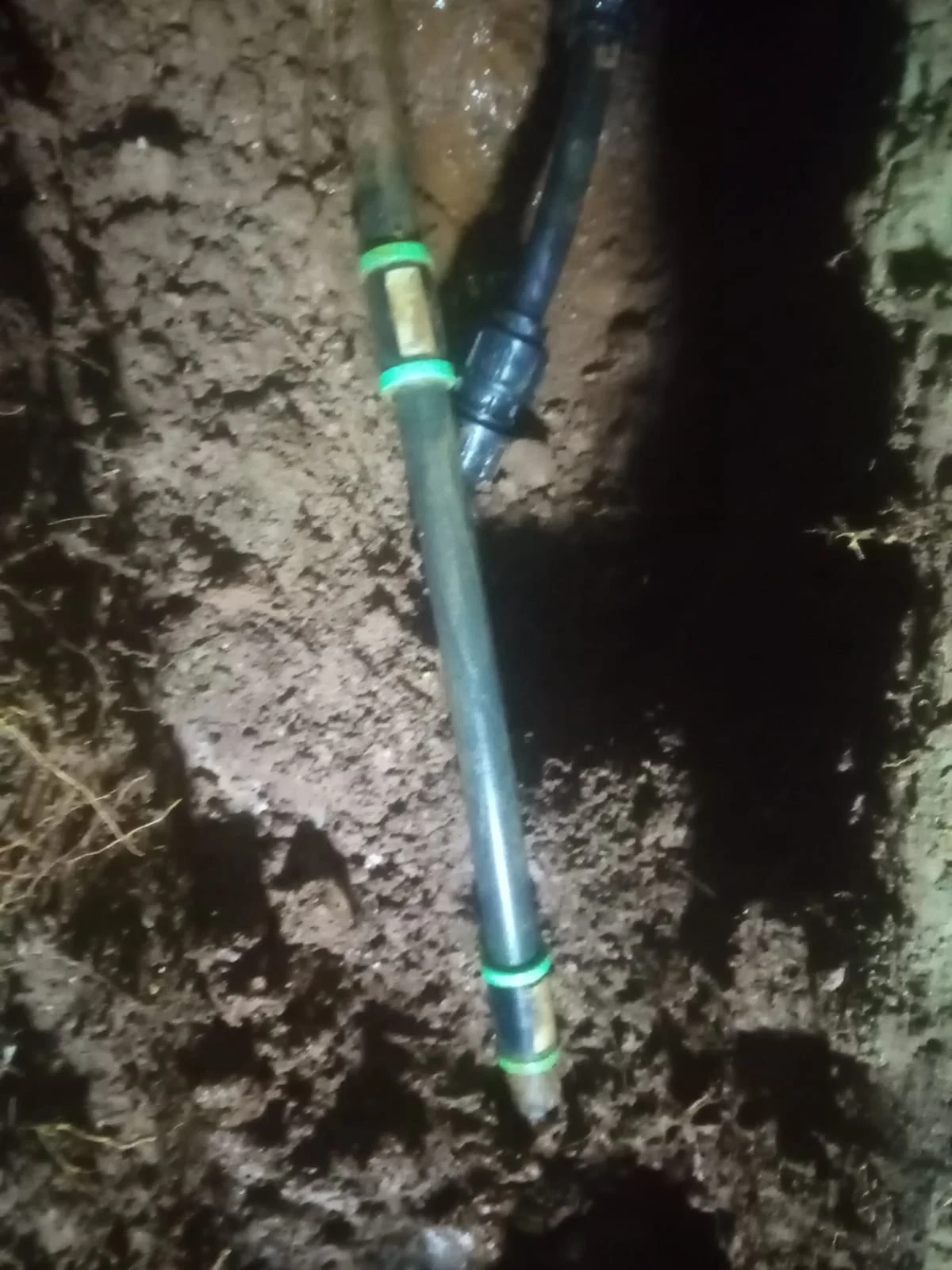
Hidden water leaks often develop quietly behind walls, beneath floors, above ceilings or underground. Because the escaping water is concealed, the earliest warning is usually a change in the building, the water meter or the monthly account rather than an obvious spray of water.
Unexpected water meter movement
Close all taps, stop water-using appliances and make sure toilets and irrigation are not filling. If the meter continues to move, water may be escaping somewhere on the property. A meter test is a useful screening step, but it does not identify the exact location.
A municipal bill that suddenly increases
Compare actual consumption across several billing periods. A sharp increase without more occupants, irrigation or unusual water use deserves investigation. Confirm whether the account is based on an actual meter reading before assuming a leak.
Damp marks, stains and damaged finishes
Bubbling paint, swollen skirting boards, discoloured ceilings, lifting floor coverings and powdery deposits can all indicate moisture moving through building materials. The visible damage may be some distance from the leaking pipe.
Musty smells and recurring mould
Persistent odours or mould that returns after cleaning may point to moisture trapped in a wall, cupboard, ceiling void or floor assembly. Ventilation problems can cause similar symptoms, so the plumbing system must be assessed in context.
The sound of water when nothing is running
Hissing, dripping or faint running-water sounds can become easier to hear at night. Sounds may travel along pipes and structures, which means the loudest point is not always the leak location.
Changes in water pressure
A concealed supply leak can reduce pressure at taps or cause pressure to fluctuate. Pressure problems can also result from municipal supply, blocked strainers, faulty valves or failing pressure-control components.
Warm patches on floors
A warm or unusually damp floor may indicate a hot-water pipe leak beneath the surface. Switch off the relevant water heater if it is safe to do so and arrange professional assessment promptly.
Why early investigation matters
Small leaks can saturate insulation, timber, plaster and concrete before visible damage appears. Early detection can reduce repair scope, water loss and the likelihood of mould or structural deterioration.
What to do when you suspect a hidden leak
Document the meter reading and visible symptoms, isolate the water if damage is active, move belongings away from damp areas and contact a leak-detection professional. Avoid opening walls or floors at random before the likely source is narrowed down.
Frequently asked questions
Can a hidden leak exist without a high bill?
Yes. A small intermittent leak may not immediately create a dramatic increase, especially where bills are estimated or consumption varies.
Does damp always mean a plumbing leak?
No. Roof leaks, condensation, rising damp and waterproofing failures can create similar symptoms. Proper diagnosis is important.
Should I switch off the main water supply?
If water damage is active or worsening, isolate the supply if it is safe and practical. For minor suspected leaks, record the meter first if doing so will not delay urgent action.
Need help finding a hidden leak?
Send us the symptoms, photographs and your meter observations so we can help arrange the appropriate leak-detection response.