
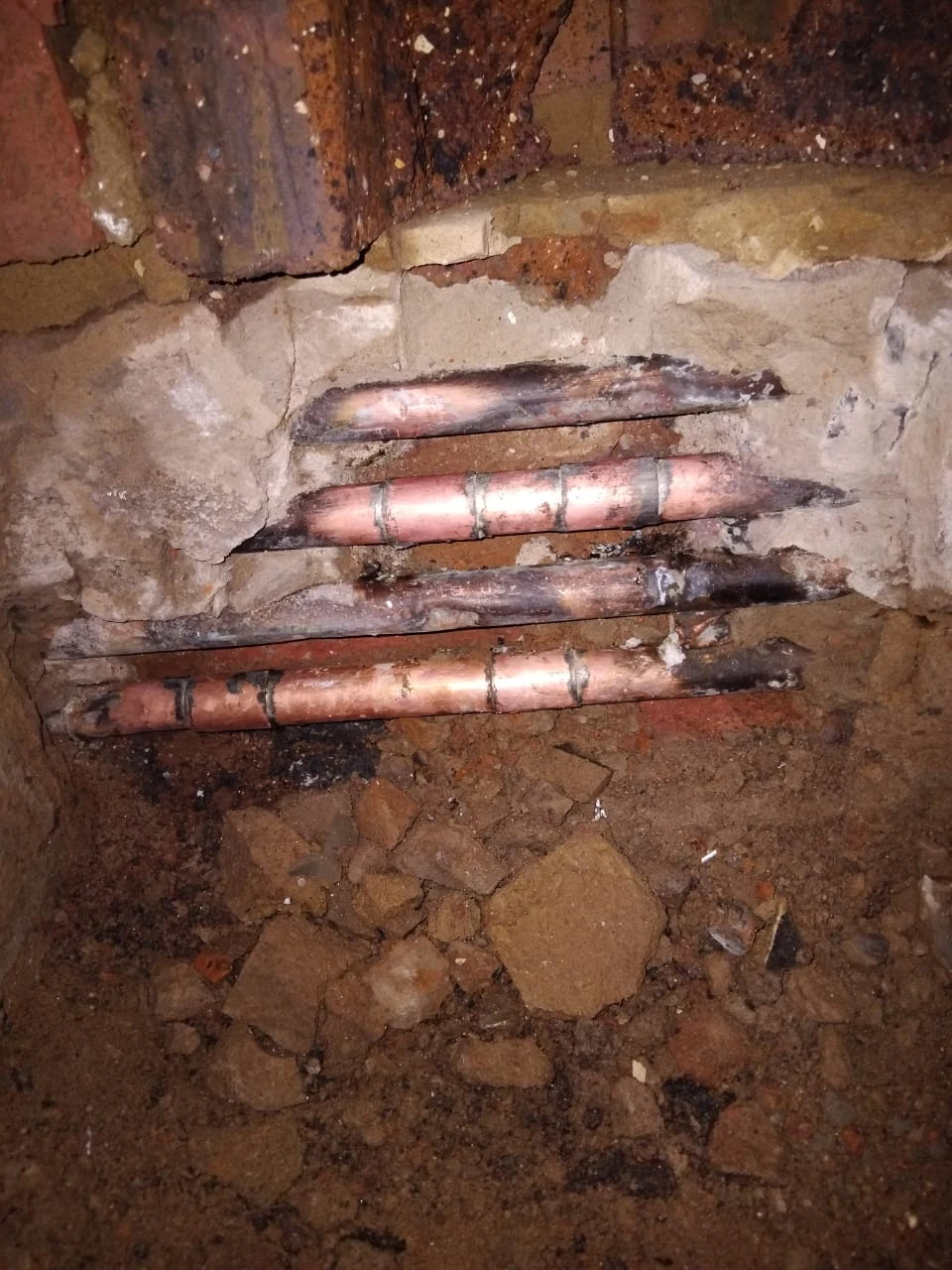
A burst pipe can involve two different costs: repairing the failed plumbing and restoring the resulting water damage. Insurance policies vary widely, so homeowners should act quickly, limit further loss and preserve evidence without assuming every expense will be covered.
Contact the insurer as soon as practical
Report the incident promptly and ask for the claim reference, emergency instructions and approved service-provider requirements. Do not delay urgent safety or water-isolation measures while waiting for administrative approval.
Take reasonable steps to limit further damage
Policies commonly require the policyholder to prevent avoidable additional loss. Close the water supply, move vulnerable belongings and arrange emergency extraction where safe.
Photograph and record the incident
Capture the failed pipe, surrounding area, water path and damaged items before major cleanup. Keep a timeline showing when the leak was discovered, isolated and repaired.
Ask the plumber for a clear report
A useful plumbing report should identify the failure location, pipe material, probable cause, work completed and whether further replacement is recommended.
Understand pipe repair versus resulting damage
Some policies treat the cost of accessing and repairing the pipe differently from damage to ceilings, floors or furniture. Ask the insurer to explain the applicable sections and excess.
Maintenance and gradual deterioration
Claims may be affected where damage results from long-term corrosion, neglected maintenance or a leak that continued after clear warning signs. This is why early reporting and maintenance records matter.
Keep invoices and damaged parts
Retain emergency call-out records, repair invoices, drying reports and photographs. Ask before discarding the failed pipe or heavily damaged items.
Do not make permanent cosmetic repairs too early
The insurer may need to inspect the damage, and the building must be dry before ceilings, cupboards or flooring are replaced.
When a claim is disputed
Request the insurer's decision and policy basis in writing. Additional plumber, leak-detection or moisture reports may help clarify the cause and extent of damage.
Frequently asked questions
Does insurance always cover burst pipes? No. Coverage depends on the policy, cause, maintenance history, exclusions and type of damage.
Will insurance pay the plumber directly? Some insurers appoint providers, while others reimburse approved costs. Confirm before authorising non-emergency work.
What if I cannot find the source? Arrange professional leak detection and keep the report as part of the claim evidence.
Need help with a burst pipe?
Tell us what has happened, send photographs if possible and let our team help you arrange the right response.