South Africa’s water crisis is not a future problem, it is a present-tense financial and operational pressure on ev
Before You Worry
In South Africa, many homeowners and businesses face plumbing issues that can seem overwhelming. The good news is that understanding the basics of plumbing standards can help alleviate some of that worry. Many plumbing problems are manageable if you know what to look for and when to seek professional help. Remember, not all plumbing issues require a costly fix. In many cases, simple preventive measures can save you time, money, and stress.
Understanding the Topic
South African plumbing standards are governed by the South African National Standards (SANS), which provide guidelines for the installation, maintenance, and safety of plumbing systems. These standards ensure that plumbing systems are efficient, safe, and environmentally friendly. Adhering to these standards not only protects you and your property but also helps conserve our precious water resources.
Municipal bylaws can also play a significant role in plumbing. They often dictate specific requirements for plumbing installations, especially in new constructions or major renovations. Understanding these regulations can prevent costly fines and ensure that your property complies with local standards.
Common Questions
Many homeowners have questions about plumbing standards and what they entail. Here are a few common queries:
What are the basic plumbing standards in South Africa?
The basic plumbing standards in South Africa include guidelines for the installation of pipes, fixtures, and fittings, ensuring that they are safe, durable, and efficient. Compliance with SANS helps ensure that plumbing systems function correctly and are less likely to cause issues like leaks or blockages.
Are there specific requirements for water-saving fixtures?
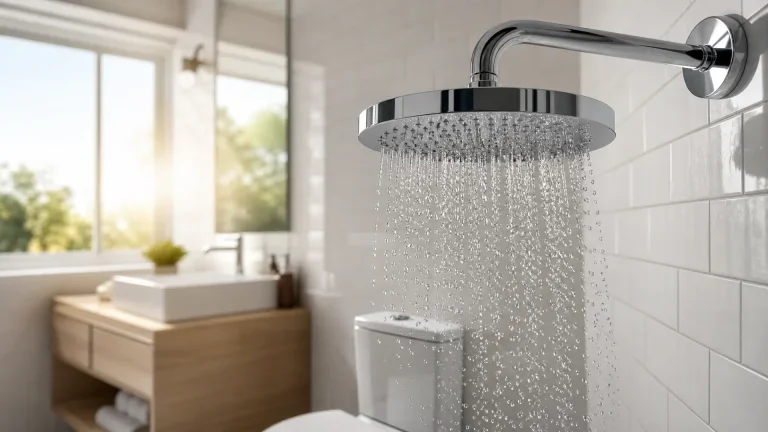
Yes, there are specific standards regarding water-saving fixtures, which are highly encouraged due to the water scarcity in our country. Fixtures such as low-flow toilets and showerheads must meet certain efficiency benchmarks to qualify for rebates or incentives from municipal governments.
What You Can Safely Check Yourself
Before calling a plumber, there are several things you can check around your home to identify potential plumbing issues. Here are some simple checks:
- Inspect for leaks: Look under sinks, around toilets, and near appliances for any signs of water pooling or dampness.
- Check your water pressure: If your water pressure seems unusually high or low, you can test it with a pressure gauge available at hardware stores.
- Monitor your water bill: A sudden spike in your water bill could indicate a hidden leak somewhere in your plumbing system.
By performing these checks, you can gather valuable information to share with your plumber if you do need to call for assistance.
What You Should Never Do
While there are many things you can check yourself, there are also several actions you should avoid to prevent further damage or safety hazards:
- Do not attempt major repairs: Plumbing systems can be complex, and attempting to fix significant issues without the proper knowledge can lead to more damage and expensive repairs.
- Avoid using chemical drain cleaners: These products can be harsh on your pipes and may damage your plumbing system over time.
- Do not ignore warning signs: If you notice persistent leaks, strange noises, or foul odours, do not dismiss them as minor issues; they can indicate larger problems that need professional attention.
When to Call a Plumber
Knowing when to call a plumber can save you time and money. Here are some situations that warrant a professional's expertise:
- Persistent leaks: If you notice continuous leaks that you cannot resolve, it’s best to call a professional. Ignoring leaks can lead to water damage and mould growth.
- Blocked drains: If your drains are consistently slow or completely blocked, it may require professional tools and expertise to clear them effectively.
- Unusual noises: Sounds like banging or gurgling from your pipes can indicate air in the lines or other issues that require a plumber’s attention.
- Water quality issues: If you experience discoloured water or unusual tastes, it’s essential to have your plumbing checked, as this could indicate contamination.
How Plumb A Nator Helps
At Plumb A Nator, our team is dedicated to providing top-notch plumbing services that adhere to South African plumbing standards. Whether you’re facing a minor issue or a major plumbing emergency, we have the expertise to handle it all. Our qualified plumbers are knowledgeable about local municipal bylaws and SANS regulations, ensuring that your plumbing system is compliant and efficient.
We also offer water-saving solutions that can help reduce your water consumption and lower your monthly bills. By upgrading to compliant fixtures, you not only improve your plumbing system but also contribute to the conservation of our valuable water resources.
Planning Ahead
Planning ahead can save you significant time and money in the long run. Consider the following tips:
- Schedule regular maintenance: Routine plumbing inspections can catch issues before they escalate into expensive repairs.
- Invest in quality fixtures: Choose high-quality fixtures that meet SANS standards to ensure longevity and efficiency.
- Stay informed: Keep yourself updated on municipal regulations regarding plumbing; this knowledge can help you make informed decisions about your plumbing projects.
Taking these proactive steps can prevent costly plumbing emergencies and ensure a well-functioning plumbing system.
Frequently Asked Questions
What is the cost of hiring a plumber in South Africa?
The cost of hiring a plumber can vary widely depending on the nature of the job, the plumber’s experience, and your location. On average, you can expect to pay anywhere from R400 to R1,000 per hour, plus materials. It’s essential to get a detailed quote before work begins to avoid any surprises.
How can I reduce my water consumption?
To reduce your water consumption, consider installing water-saving fixtures, fixing leaks promptly, and being conscious of your water usage habits. Simple changes, such as turning off the tap while brushing your teeth or taking shorter showers, can make a significant impact.
What should I do if I experience a plumbing emergency?
If you experience a plumbing emergency, such as a burst pipe or severe leak, shut off your water supply immediately and contact a professional plumber. Quick action can minimise damage to your property.
Are there plumbing regulations for new homes in South Africa?
Yes, there are specific plumbing regulations that new homes must comply with, as outlined by SANS and local municipal bylaws. These regulations cover everything from pipe materials to water-saving fixtures, ensuring that new builds are safe and efficient.
Contact the Plumb A Nator team today. Call 067 895 4361.pn-kc-cta">Need professional plumbing assistance?
Speak directly to our team for practical advice, a free quotation and help arranging the right plumbing service.