South Africa’s water crisis is not a future problem, it is a present-tense financial and operational pressure on every household and business connected to t
Before You Worry
Water restrictions can be a source of concern for many South Africans. However, before you panic, it’s essential to take a moment to understand the context and the implications of these restrictions. They are typically implemented by municipalities as a measure to conserve water during periods of drought or when water supply is critically low. Knowing that these measures are often temporary can help alleviate some of the stress associated with them.
It’s important to remember that restrictions are designed to protect our precious water resources, ensuring that everyone has access to water during challenging times. Staying informed and proactive can help you navigate these restrictions effectively without compromising your daily routine.
Understanding the Problem
South Africa is classified as a water-scarce country, and ongoing climate change has exacerbated this situation. Prolonged droughts, increased evaporation rates, and rising temperatures have led to dwindling water supplies in many regions. Municipalities are forced to implement water restrictions in an effort to manage these scarce resources.
Understanding the intricacies of water restrictions is crucial for homeowners and businesses alike. These measures can include limits on the days and times you can water your garden, restrictions on filling swimming pools, and curtailments on the use of water for cleaning vehicles. By grasping the reasons behind these measures, you can better appreciate their necessity and adapt your water usage accordingly.
How to Recognise the Situation
Water restrictions are usually announced by local municipalities and can vary significantly based on the region and prevailing conditions. Keep an eye on local news outlets, municipal websites, and social media channels for updates regarding water usage guidelines.
Typically, you may notice signage around your community indicating the current restrictions, and there may be guidelines distributed via pamphlets or community bulletins. Additionally, your water bill may reflect changes due to altered tariffs linked to water usage levels.
Common Causes
There are several common causes that trigger water restrictions in South Africa:
- Drought Conditions: Extended periods of little to no rainfall can lead to severe water shortages.
- Overconsumption: When water usage exceeds the sustainable supply, municipalities may impose restrictions to manage demand.
- Infrastructure Limitations: Aging and inadequate infrastructure can restrict the capacity to deliver water efficiently, prompting temporary measures.
- Environmental Protection: Protecting ecosystems that rely on specific water levels can lead to restrictions to ensure their survival.
What You Can Safely Check Yourself
As a homeowner, there are several checks you can perform to ensure your plumbing system is contributing to water conservation efforts:
- Leaky Taps and Toilets: Inspect your taps and toilets for leaks. A dripping tap can waste litres of water each day.
- Water Meter Reading: Regularly check your water meter to monitor usage. Sudden spikes may indicate leaks or excessive usage.
- Garden Irrigation Systems: Ensure your irrigation systems are functioning efficiently. Adjust timers to run during cooler parts of the day to minimise evaporation.
By performing these simple checks, you can identify potential issues before they escalate and contribute to overall water conservation.
What You Should Never Do
When faced with water restrictions, it’s vital to avoid certain practices that can worsen the situation:
- Ignoring Municipal Guidelines: Disregarding the restrictions set by your municipality can lead to fines and increased water rates.
- Using Excessive Water: Avoid practices that waste water, like washing cars with a hose instead of using a bucket or failing to fix leaks.
- Improper Disposal of Waste: Never flush non-biodegradable items down the toilet as this can lead to blockages and increased water usage for repairs.
By adhering to these guidelines, you not only help conserve water but also avoid unnecessary costs and potential plumbing issues.
When to Call a Plumber
While there are many checks you can perform yourself, there are situations where calling a professional plumber is essential. If you encounter any of the following, it’s time to reach out to our team:
- Persistent Leaks: If you notice ongoing leaks that do not resolve with minor fixes, professional attention is necessary.
- Low Water Pressure: Sudden drops in water pressure may indicate a larger problem within your plumbing system.
- Backflow Issues: If you encounter unusual smells or discolouration in your water, it could signal a backflow problem that requires expert intervention.
Addressing these issues promptly can prevent further damage and ensure your plumbing system operates efficiently, particularly during times of water restrictions.
How Plumb A Nator Solves the Problem
At Plumb A Nator, we understand the complexities involved with water restrictions and the need for efficient water management. Our team is equipped with the latest tools and knowledge to assess your plumbing system and identify areas for improvement. We offer solutions that range from fixing leaks to upgrading fixtures that enhance water efficiency.
We prioritise sustainable practices and believe in empowering our clients with the knowledge to manage their water usage effectively. Our experts can provide recommendations tailored to your specific circumstances, ensuring compliance with municipal bylaws while also reducing your water bills.
How to Prevent It Happening Again
Preventing future issues related to water restrictions requires a proactive approach to water management:
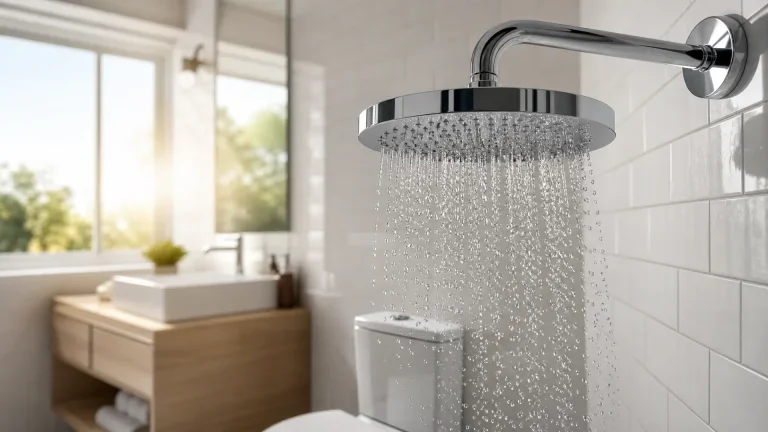
- Upgrade Fixtures: Install water-saving fixtures, such as low-flow showerheads and dual-flush toilets, to reduce water consumption.
- Rainwater Harvesting: Consider implementing a rainwater harvesting system to supplement your water supply, particularly for irrigation.
- Educate Your Family: Teach your family about the importance of water conservation, making it a household priority.
By adopting these practices, you not only contribute to the sustainability of our water resources but also create a more resilient household against future restrictions.
Frequently Asked Questions
What are the current water restrictions in my area?
Water restrictions vary by municipality. Check your local council's website or contact them directly for the most accurate and up-to-date information.
How can I reduce my water bill during restrictions?
To reduce your water bill, focus on fixing leaks, using water-saving appliances, and being mindful of your daily water usage.
Are there any penalties for violating water restrictions?
Yes, municipalities may impose fines for non-compliance with water restrictions. It is essential to stay informed and adhere to local regulations.
Related Guides
For more information on managing your water usage effectively, consider exploring these helpful guides:
Contact the Plumb A Nator team today. Call 067 895 4361.pn-kc-cta">Need professional plumbing assistance?
Speak directly to our team for practical advice, a free quotation and help arranging the right plumbing service.