South Africa’s water crisis is not a future problem, it is a present-tense financial and
Before You Worry
Water scarcity is a pressing issue in South Africa, but it can often feel overwhelming. Before you dive into panic mode, it's essential to recognise that there are numerous ways to contribute positively to water conservation in your home or business. Start by taking a breath and understanding that every small change can lead to significant results. Simple adjustments in your daily habits and plumbing can make a difference without requiring drastic lifestyle changes.
Understanding the Topic
South Africa is classified as a water-scarce country, meaning that its available freshwater resources are limited compared to global standards. Factors like population growth, urbanisation, and climate change exacerbate this situation. Municipalities have responded to these pressures with increasing tariffs and regulations, making water management not just a matter of environmental concern but also an economic necessity. Understanding this context is crucial when considering water-saving measures in your home or business.
Water-saving practices and technologies can significantly reduce your consumption. For instance, switching to water-saving plumbing fixtures can lead to substantial savings on your monthly water bill while also doing your part to conserve this precious resource. Moreover, with the government and local municipalities increasingly focusing on sustainability, adopting water-saving techniques can enhance your property’s value and marketability.
Common Questions
Many people have questions about how to effectively save water in their homes. Here are some of the most common queries:
What are water-saving fixtures?
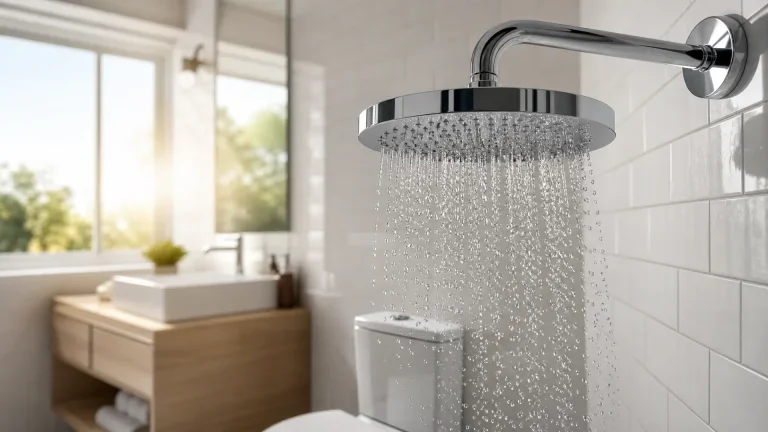
Water-saving fixtures are plumbing products designed to use less water without sacrificing performance. This includes low-flow showerheads, dual-flush toilets, and tap aerators. By replacing standard fixtures with these options, you can reduce water usage significantly.
How much water can I save?
The amount of water saved varies depending on the fixtures you replace and your current usage. For example, switching to a low-flow showerhead can save up to 50% of water compared to standard models, translating to thousands of litres saved annually.
Are there any financial incentives for saving water?
Some municipalities offer rebates or incentives for upgrading to water-efficient fixtures. It's worth checking with your local council about available programmes that can help offset the costs of these upgrades.
What You Can Safely Check Yourself
Before calling in a professional, there are a few simple checks you can perform on your plumbing to ensure you’re not wasting water:
- Check for leaks: Inspect all visible pipes, faucets, and toilets for any signs of leaks or drips. Even a small leak can waste significant amounts of water over time.
- Examine your fixtures: Look at your showerheads, taps, and toilets to see if they are older models. If they are, consider upgrading to more efficient options.
- Monitor your water usage: Keep an eye on your water bill for any sudden spikes that could indicate a leak or excessive usage.
What You Should Never Do
While many water-saving measures are straightforward, there are also pitfalls to avoid:
- Do not ignore leaks: Even minor leaks can lead to substantial water loss and increased bills. Always address leaks promptly.
- Avoid DIY repairs on major plumbing issues: While small checks are fine, significant plumbing repairs should be left to professionals. Attempting to fix complex issues can lead to more damage and costly repairs.
- Never disregard municipal regulations: Be aware of local bylaws regarding water usage and plumbing upgrades. Failing to comply can result in fines or other penalties.
When to Call a Plumber
Knowing when to call a professional can save you time, money, and frustration. Here are some scenarios where you should consider contacting a plumber:
- Persistent leaks: If you've identified a leak that you cannot fix, or if it continues despite your efforts, it’s time to call in an expert.
- Low water pressure: If you experience a sudden drop in water pressure, it could indicate a plumbing issue that requires professional diagnosis.
- Old plumbing systems: If your home has outdated plumbing, it may be time for an upgrade. A plumber can assess the system and recommend water-saving alternatives.
How Plumb A Nator Helps
At Plumb A Nator, we specialise in helping South Africans reduce their water usage through expert advice, quality plumbing services, and efficient installations. Our team is well-versed in the SANS standards for water-saving fixtures and can guide you in choosing the right products for your home or business.
We offer comprehensive plumbing assessments to identify areas where you can save water, from leaks and outdated fixtures to inefficient systems. Our experienced plumbers can install water-saving devices that not only comply with municipal regulations but also provide long-term cost savings. By partnering with Plumb A Nator, you can ensure that your plumbing is both efficient and sustainable, helping you contribute to the conservation of South Africa's precious water resources.
Planning Ahead
As South Africa continues to face water scarcity challenges, planning ahead is crucial for both households and businesses. Consider the following steps:
- Invest in water-efficient appliances: When replacing appliances like washing machines or dishwashers, opt for models that are designed for water efficiency.
- Rainwater harvesting: Consider installing a rainwater harvesting system to supplement your water supply. This can reduce reliance on municipal water and lower your bills.
- Educate your household: Make water conservation a household priority by teaching family members about the importance of saving water and encouraging responsible habits.
Frequently Asked Questions
As part of our commitment to helping you navigate water-saving measures, here are answers to some frequently asked questions:
Can I save money by saving water?
Absolutely! Reducing your water usage can lead to lower municipal bills, and many municipalities have programmes in place to reward water conservation efforts.
What are the benefits of water-saving plumbing fixtures?
Water-saving fixtures not only reduce consumption but also enhance the overall efficiency of your plumbing system. They can lead to long-term savings on your water bill and reduce the wear and tear on your plumbing.
How often should I check my plumbing for leaks?
It’s a good practice to check your plumbing for leaks at least once a year. However, if you notice any sudden changes in your water bill or pressure, it's advisable to check sooner or call a plumber.
Contact the Plumb A Nator team today. Call 067 895 4361.pn-kc-cta">Need professional plumbing assistance?
Speak directly to our team for practical advice, a free quotation and help arranging the right plumbing service.