South Africa’s water crisis is not a future problem, it is a present-tense financial and operational pressure on every house
Before You Worry
Before diving into the specifics of water saving, it’s essential to take a moment to breathe and assess your situation. Water conservation is not just a trend; it’s a necessity in South Africa’s current climate. The first step is to recognise that you can take control of your water usage, and small changes can lead to significant savings. This article will explore practical tips and encourage proactive measures to make your home more water-efficient.
Understanding the Problem
The reality of South Africa’s water crisis is alarming. With many regions struggling against drought and the looming threat of escalating municipal tariffs, understanding how your household contributes to water waste is crucial. The average household consumes around 20,000 litres of water per month, and even minor leaks or inefficient fixtures can drastically increase this figure. By recognising the importance of water conservation, you can tackle your water usage head-on.
How to Recognise the Situation
It’s vital to be vigilant about your water consumption and recognise when something isn’t right. Monitor your municipal water bill for unexpected spikes, which could indicate a leak or inefficient plumbing fixtures. Additionally, keep an eye on your water meter. If it continues to run while all taps are turned off, you may have a hidden leak. Regular checks can help you stay informed and proactive in your water-saving efforts.
Common Causes
Several common culprits contribute to excessive water use in households across South Africa. These include:
- Leaky faucets and toilets: A dripping tap can waste up to 30 litres of water a day, while a running toilet can waste hundreds of litres.
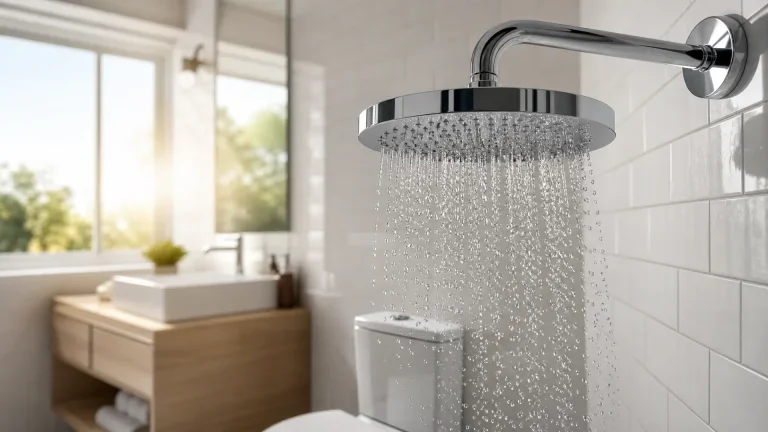
- Inefficient showerheads: Traditional showerheads can use up to 15 litres per minute, compared to modern water-saving options that use as little as 6 litres.
- Faulty irrigation systems: Overwatering gardens or an inefficient sprinkler system can lead to significant water loss.
Identifying these issues early can prevent further water wastage and reduce your monthly bills significantly.
What You Can Safely Check Yourself
There are several simple checks that you can perform yourself to assess and reduce water wastage:
- Inspect faucets and showerheads: Look for drips or leaks. If you find any, consider replacing washers or fixtures to improve efficiency.
- Check toilets for leaks: Add a few drops of food colouring to the toilet tank. If the colour seeps into the bowl without flushing, you may have a leak.
- Evaluate your irrigation system: Ensure that sprinkler heads are working properly and not watering sidewalks or roads.
By performing these checks, you can identify minor issues before they become costly problems, saving both water and money.
What You Should Never Do
While many plumbing issues can be safely addressed by homeowners, there are certainly areas where caution is advised. Avoid the following:
- DIY plumbing repairs: Unless you are experienced, attempting complex repairs can lead to more significant issues, resulting in increased costs.
- Ignoring signs of leaks: If you notice damp spots, mould, or unusual water bills, don’t wait—address the situation promptly.
- Using harsh chemicals: Avoid pouring chemicals down your drains as they can damage plumbing and are harmful to the environment.
When in doubt, consult a professional to ensure the integrity of your plumbing system remains intact.
When to Call a Plumber
There are times when professional help is necessary. Consider calling a plumber in the following situations:
- Persistent leaks: If you cannot locate or resolve a leak, an experienced plumber can help identify and fix the issue.
- Low water pressure: If you experience a significant drop in water pressure, it could indicate a more extensive plumbing problem that requires professional investigation.
- Renovations: If you’re planning to upgrade your plumbing fixtures or appliances, it’s wise to consult with a professional to ensure everything is installed correctly.
At Plumb A Nator, our team is equipped to handle all your plumbing needs efficiently and effectively, ensuring your home remains water-efficient.
How Plumb A Nator Solves the Problem
At Plumb A Nator, we pride ourselves on being at the forefront of water-saving solutions. Our experienced plumbers can assess your plumbing systems and recommend upgrades that align with SANS (South African National Standards) for water efficiency. We offer a range of services, including:
- Leak detection: Using advanced technology, we can quickly locate and fix leaks before they escalate into bigger problems.
- Fixture upgrades: We provide modern, water-efficient fixtures that help reduce consumption and lower your water bills.
- Irrigation assessments: Our team can evaluate your garden irrigation systems to ensure they are operating efficiently and effectively.
By choosing Plumb A Nator, you are not only investing in your property but also contributing to a sustainable future for South Africa.
How to Prevent It Happening Again
Once you’ve addressed any existing issues, it’s essential to take steps to prevent future problems. Consider the following measures to enhance your water-saving efforts:
- Regular maintenance: Schedule annual plumbing inspections to identify potential problems before they escalate.
- Upgrade appliances: Invest in water-efficient appliances, such as washing machines and dishwashers, which can drastically reduce water usage.
- Educate your family: Teach everyone in your household about the importance of water conservation and how they can contribute.
By adopting these practices, you can ensure your household remains water-efficient and reduce your overall environmental impact.
Frequently Asked Questions
1. How much water can I save by fixing leaks?
Fixing leaks can save you hundreds of litres of water each month. A single dripping tap can waste up to 30 litres a day!
2. What are some quick fixes for reducing water usage?
Installing aerators on taps, using water-efficient showerheads, and only running dishwashers and washing machines with full loads are quick fixes that can lead to significant savings.
3. Are there government incentives for water-saving upgrades?
Yes, many municipalities in South Africa offer rebates or incentives for households that upgrade to water-efficient fixtures. Check with your local municipality for specific programs.
4. How can I tell if my irrigation system is wasting water?
Look for signs of overwatering, such as water pooling on pavements or soggy soil around plants. Adjust your irrigation schedule based on rainfall and seasonal changes.
Related Guides
- Saving Water at Home
- Saving Water When You Have a Plumbing Emergency
- Old Copper Pipes vs. Modern Plastic Plumbing
Need professional plumbing assistance?
Speak directly to our team for practical advice, a free quotation and help arranging the right plumbing service.