
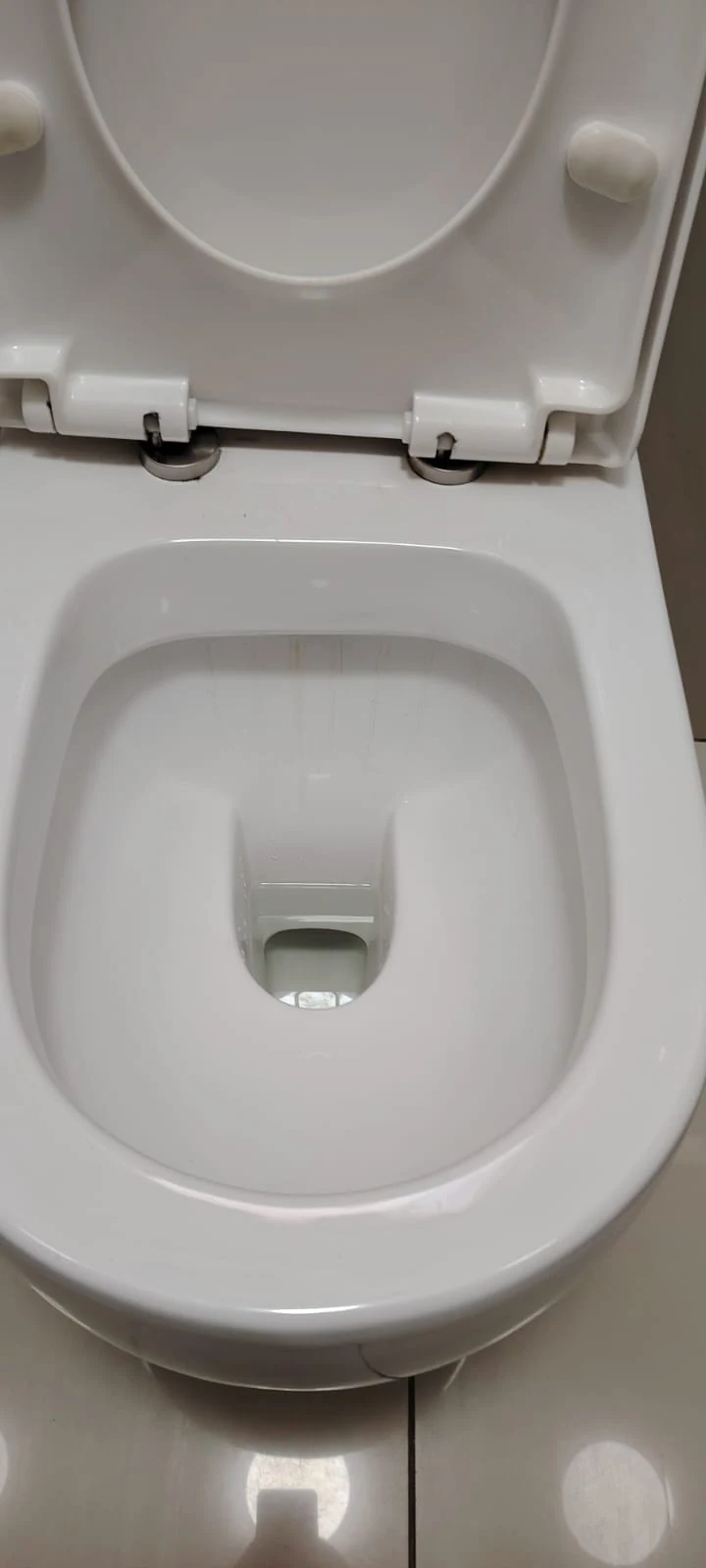
A toilet that keeps running may look harmless, but it can waste a surprising amount of water and often points to a worn seal, incorrect float level, sticking inlet valve or overflow problem. The sound may be constant or intermittent, yet the underlying fault should still be identified rather than ignored.
Before you worry
A short refill after flushing is normal. A problem exists when water continues moving into the pan, the cistern repeatedly refills without use, or the overflow runs. Watching and listening for a few minutes can help you describe the fault accurately.
How to recognise the problem
- Water trickles into the toilet pan long after flushing.
- The cistern refills by itself at intervals.
- A hissing sound continues inside the cistern.
- The water level sits too high or reaches the overflow.
- The flush button or lever does not return properly.
Common causes
- A worn flush-valve seal or perished washer.
- A float set too high or catching against the cistern.
- A faulty inlet valve that does not shut completely.
- Scale, grit or debris preventing a valve from sealing.
- A sticking dual-flush mechanism or damaged button linkage.
What you can safely check yourself
- Remove the cistern lid carefully if it is designed to lift off easily.
- Check whether the float moves freely without forcing it.
- Look for visible water entering the overflow tube.
- Turn the toilet isolation valve off if water is continuously being wasted and the valve operates safely.
- Note the toilet brand or take a clear photo of the internal mechanism.
What you should never do
- Do not force plastic cistern components.
- Do not overtighten an old isolation valve.
- Do not use improvised weights or objects to hold the float down.
- Do not ignore water running into the pan for days.
When to call a plumber
Call a plumber when the toilet continues running after a simple visual check, the isolation valve does not work, internal parts are cracked, or the cistern is concealed. Prompt repair prevents water waste and reduces the chance of a sudden valve failure.
How professionals solve it
A plumber tests the inlet and flush valves, confirms the operating water level and checks the seals, linkage and overflow. The failed component is repaired or replaced with a compatible part, then the toilet is flushed repeatedly to confirm that filling stops correctly and no water enters the pan between uses.
How to prevent it happening again
- Repair intermittent refilling before it becomes constant.
- Avoid dropping cleaning blocks into the cistern where they can damage seals.
- Operate flush buttons gently.
- Have hard-water scale cleaned from serviceable components.
- Replace brittle or heavily worn mechanisms before they fail completely.
Frequently asked questions
How much water can a running toilet waste?
The amount varies with the fault, but a continuous trickle can waste a substantial volume over a day. Repairing it promptly is normally cheaper than allowing the water loss to continue.
Can I replace the cistern valve myself?
Some mechanisms are straightforward, but access, compatibility and brittle fittings can create problems. Stop if the isolation valve is unreliable or the cistern is concealed.
Why does the toilet run only sometimes?
A worn seal, sticking float or debris in the valve may fail intermittently. Intermittent refilling still indicates a fault.
Need help with a running toilet?
Tell us whether water is entering the pan, the cistern keeps refilling, or the overflow is running so we can help arrange the right repair.